Japan's Meiji Constitution
The Meiji Constitution created a parliamentary framework while locating sovereignty and major powers in the emperor.
- When
- 1889–1890
- Where
- Japan
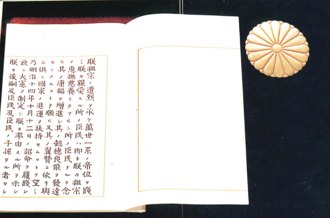
The Meiji Constitution created a parliamentary framework while locating sovereignty and major powers in the emperor.
Background
State-building and demands for participation
The Meiji leadership studied foreign constitutional systems while movements within Japan demanded representative government. Itō Hirobumi and other officials shaped a framework that sought to modernise state institutions without making the emperor accountable to an electorate.[3]
What happened
- 11 February 1889
Promulgation
The constitution was presented as an imperial grant and took effect in 1890. It established the Imperial Diet, including an elected lower house and a House of Peers. Early voting rights were restricted to a small tax-qualified male electorate.[3]
Impact & evidence
Subjects rather than sovereign citizens
The text recognised certain liberties but made them subject to law. Ministers were responsible to the emperor, and military command had a special constitutional position. These arrangements differed fundamentally from a system in which a fully representative parliament controlled all executive authority.[2]
Aftermath & legacy
Institutions with contested possibilities
Party politics and parliamentary influence developed within this framework, but so did struggles over military and imperial power. The constitution was replaced after the Second World War. Its history should be read as a consequential but limited form of constitutionalism, not the introduction of modern universal democracy in one step.[1]