Italian Renaissance and the Florentine workshops
Workshops, patrons and civic institutions helped make Florence a centre of Renaissance art.
- When
- Fourteenth–sixteenth centuries
- Where
- Florence, Italy
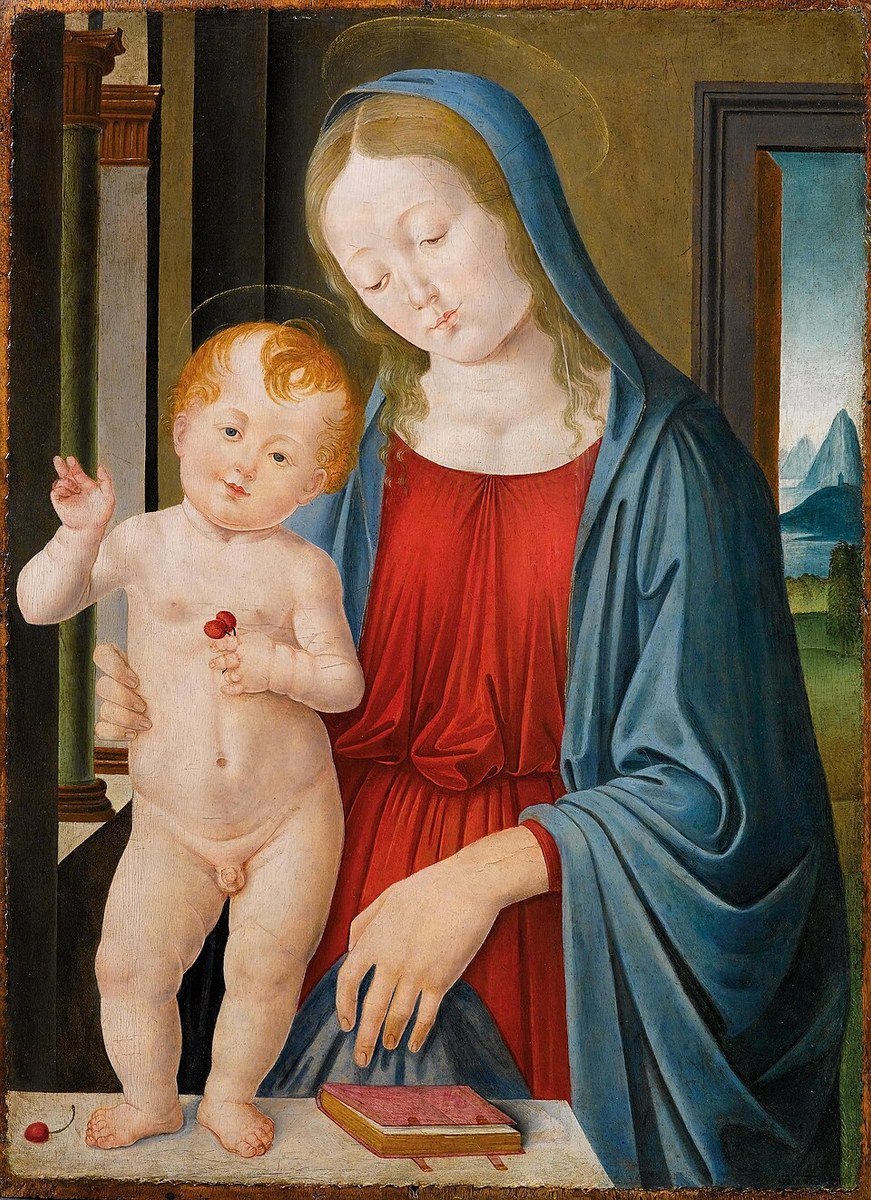
Workshops, patrons and civic institutions helped make Florence a centre of Renaissance art.
Background
Art was organised work
Artists trained and produced objects within workshops and guild structures. Apprentices, assistants and specialists contributed to commissions, while churches, civic bodies and wealthy families helped determine what was made. The familiar image of isolated genius leaves much of this system invisible.[2]
What happened
- Fifteenth century
New approaches to space and the body
Artists explored linear perspective, classical forms and increasingly convincing depictions of people. Masaccio's painting and Donatello's sculpture belong to this wider transformation. Innovations spread through observation, training, competition and shared commissions.[3]
Impact & evidence
Opportunity came with obligations
Commissioned art served devotion, reputation and political power as well as artistic experiment. Contracts and materials shaped production. Guild regulation and workshop organisation made artistic achievement a social and economic activity rather than a purely personal inspiration.[2]
Aftermath & legacy
A varied Renaissance
Florence's influence extended widely, but the Renaissance was not one uniform movement or a complete rejection of religion. Leonardo's training in Verrocchio's workshop illustrates how celebrated careers emerged within practical communities. The surviving works can be read alongside the institutions that enabled and constrained them.[3]
Sources & image credits (3)
- Wikipedia — Italian Renaissance ↗
- Metropolitan Museum of Art: art of Renaissance Europe ↗
- Metropolitan Museum: Florence and central Italy, 1400–1600 ↗
Workshop of Andrea del Verrocchio · Public domain Image source ↗