Indigenismo in Peruvian visual art
Indigenismo placed Indigenous people and Andean life at the centre of debates about national culture.
- When
- Early–mid twentieth century
- Where
- Peru, particularly Lima and the Andes
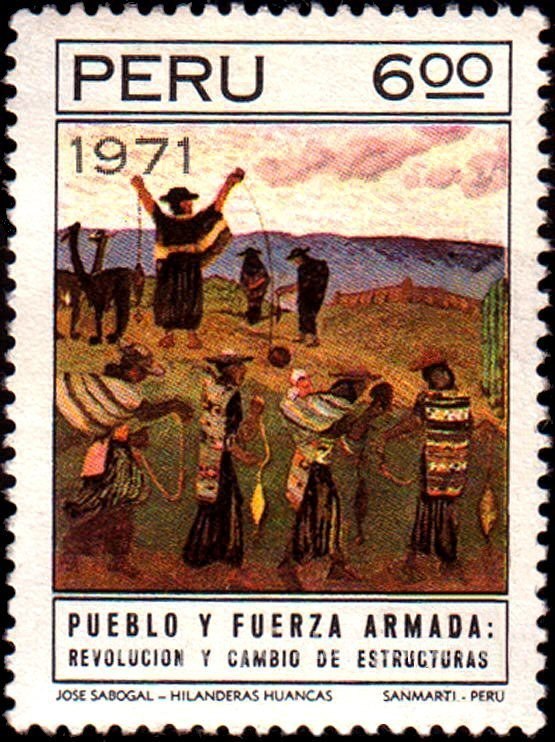
Indigenismo placed Indigenous people and Andean life at the centre of debates about national culture.
Background
A response to exclusion
Andean societies were marked by racial hierarchy, concentrated landownership and the marginalisation of Indigenous communities. Writers and artists challenged national cultures that treated European forms as the main source of authority and Indigenous life as peripheral.[1]
What happened
- Twentieth century
An artistic movement took shape
Jose Sabogal became a leading figure in Peruvian painting and teaching associated with indigenismo. His career formed part of a wider argument about how the country should see and represent itself, rather than a solitary invention of interest in the Andes.[2]
Impact & evidence
More than one leading painter
Julia Codesido, Camilo Blas and Enrique Camino Brent were among artists associated with the movement. Paintings, prints, exhibitions and teaching helped give rural people and Andean settings a prominent place in national artistic discussion.[3]
Aftermath & legacy
Representation and its limits
Celebrating Indigenous subjects did not necessarily give Indigenous communities control over the institutions speaking about them. Indigenismo contained different political and aesthetic positions. Its legacy includes expanded visibility and continuing questions about who represents whom, in whose language and for which audience.[1]
Sources & image credits (3)
- Wikipedia — Indigenismo ↗
- Museo de Arte de Lima: Jose Sabogal archive ↗
- Museo de Arte de Lima: Sabogal and the indigenist group ↗
Post of Peru · Public domain Image source ↗