Huancavelica mercury mines
Indigenous workers exposed to toxic mercury extraction in the service of colonial silver production.
- When
- 16th–18th centuries
- Where
- Huancavelica, Peru
Indigenous workers exposed to toxic mercury extraction in the service of colonial silver production. Mercury was essential to the amalgamation process used to recover silver from ore. Huancavelica therefore became a strategic link in Spain's Andean mining economy.
Background
The hidden input behind silver
Mercury was essential to the amalgamation process used to recover silver from ore. Huancavelica therefore became a strategic link in Spain's Andean mining economy. Its value to the state came from enabling extraction elsewhere, while the dangers of producing the refining material fell heavily on local and drafted workers.[1]
What happened
- Late 16th century
A state-backed workforce
Colonial authorities organised rotating Indigenous labour obligations to supply the mines. Workers entered dangerous underground spaces and handled mercury-bearing material. Refining and heating introduced additional exposure. Community obligations made refusal difficult even when officials knew the work caused serious illness.[1]
- Colonial period
Harm recognised but production maintained
Complaints and administrative debates reveal awareness of the mines' severe health effects. Regulation did not remove the underlying dependence on coerced labour. Workers and communities sought exemptions, negotiated burdens or tried to avoid service, but the fiscal importance of mercury sustained pressure to continue extraction.[1]
Impact & evidence
A toll not fully counted
Mercury exposure can cause severe neurological and other injury. Historical evidence documents dangerous conditions, but does not establish a dependable total of everyone who died from this mining system. Later studies of environmental contamination also show that the mine's consequences cannot be confined to deaths recorded during a single period of production.[2]
Aftermath & legacy
The cost behind an imperial commodity
Following mercury from Huancavelica to silver-refining centres reveals an interconnected extraction system. The wealth represented by silver depended on hazardous work that was geographically distant from its final markets. The case also shows why apparent official concern for workers needs to be judged against actual labour requirements and enforcement.[1]
Sources & image credits (2)
- Wikipedia — Huancavelica ↗
- Robins and Hagan — Five Hundred Years of Mercury Exposure and Adaptation ↗
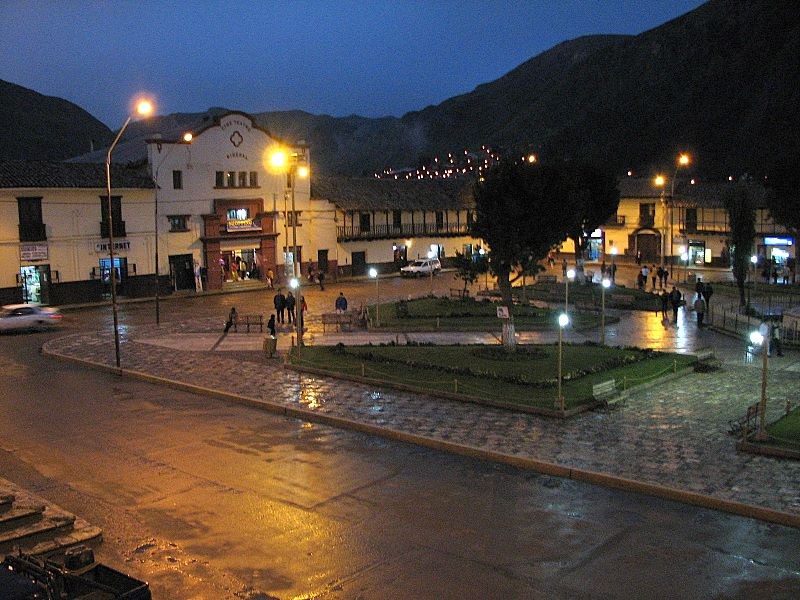
Jorge Gobbi from Buenos Aires, Argentina · CC BY 2.0 (source record). Resized for display. Image source ↗