The atomic bombing of Hiroshima
The first use of an atomic bomb in war, destroying a city and killing tens of thousands of people.
- When
- 6 August 1945
- Where
- Hiroshima, Japan
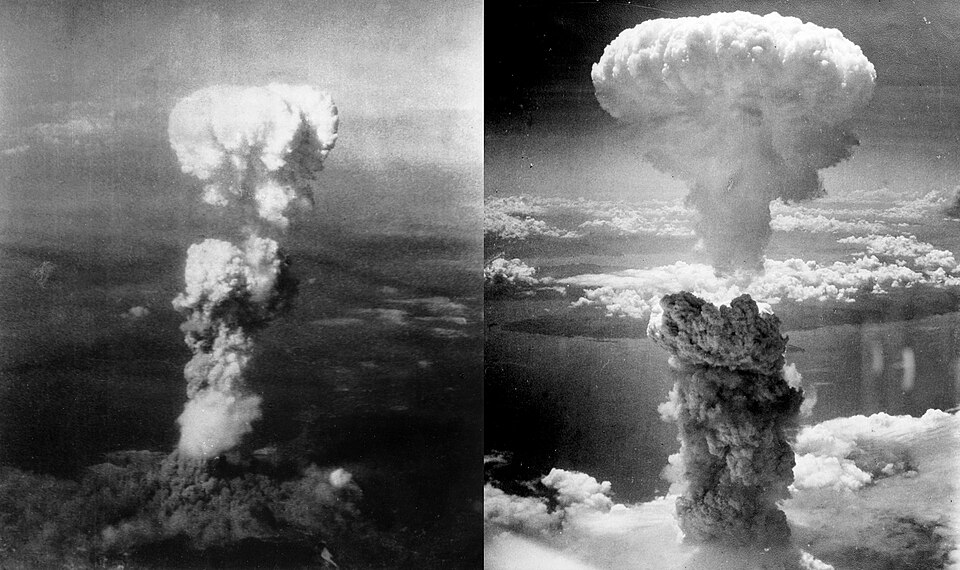
The United States dropped an atomic bomb over Hiroshima on 6 August 1945. Blast, heat and radiation devastated the city. Hiroshima estimates that approximately 140,000 people had died by the end of that year; survivors faced injuries, bereavement and the lasting effects of radiation exposure.
Background
A city in wartime
Hiroshima combined military functions with a large civilian population. The bombing struck a living city: homes, schools, workplaces and medical facilities occupied the same urban space as military installations. Its consequences extended far beyond the destruction of a military target.[2]
What happened
- 6 August 1945
Detonation above the city
At 8:15 a.m., the American bomb exploded approximately 600 metres above Hiroshima. Its intense heat and blast ignited fires and destroyed buildings across a wide area. People also received ionising radiation, an injury mechanism unlike an ordinary high-explosive blast.[1]
- August–December 1945
Deaths continued after the explosion
People who survived the first moments died later from burns, other injuries and radiation-related illness. The destruction of medical facilities and loss of personnel made treatment exceptionally difficult. The end-of-year estimate therefore includes both immediate and subsequent deaths.[1]
Impact & evidence
Approximately 140,000 deaths by year’s end
The municipal estimate gives the scale of mortality during 1945. It is not a count of everyone killed instantly, nor a complete total of every later radiation-associated death. Destruction, missing people and population movement made a precise register impossible.[1]
Aftermath & legacy
Rebuilding amid loss
Survivors began restoring basic services while coping with homelessness and the loss of relatives. Reconstruction took place alongside continuing illness and the need to preserve evidence of what had happened. The city’s later identity as a centre of peace advocacy grew from this experience of destruction.[2]
Sources & image credits (2)
George R. Caron / Charles Levy; Public domain Image source ↗