Haiti's imperial constitution
A formerly enslaved society constitutionally prohibiting slavery while defining a new sovereign state.
- When
- 20 May 1805
- Where
- Haiti
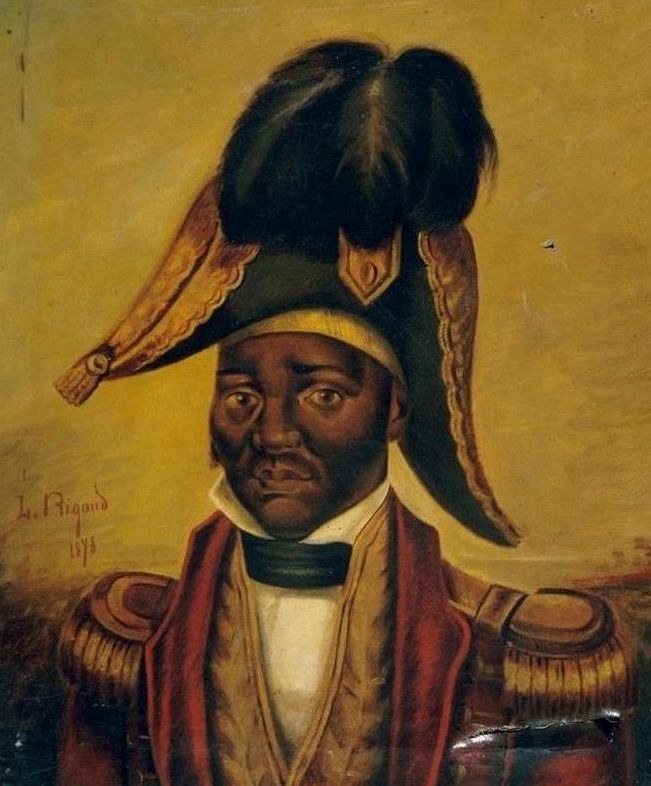
A formerly enslaved society constitutionally prohibiting slavery while defining a new sovereign state. Haiti declared independence in 1804 after a struggle against slavery and French rule. The new state faced fears of reconquest and deep damage from war.
Background
Independence after revolution
Haiti declared independence in 1804 after a struggle against slavery and French rule. The new state faced fears of reconquest and deep damage from war. Jean-Jacques Dessalines's government sought a constitutional order that would protect independence and prevent restoration of the plantation-slavery system.[1]
What happened
- 1805
Slavery permanently prohibited
The constitution abolished slavery and set out citizenship and state institutions. It declared Haitians collectively Black in a political rejection of colonial racial hierarchy. Restrictions on white ownership included specified exceptions, so the provisions require reading in their full text rather than reducing them to a single slogan.[1]
- An imperial framework
Power concentrated in the executive
The document established an empire under Dessalines rather than a liberal parliamentary democracy. Protection from re-enslavement coexisted with strong executive authority and obligations to the state. These features make it inaccurate to describe every constitutional milestone as an uncomplicated expansion of all freedoms.[1]
Impact & evidence
Anti-slavery principles in a hostile world
The constitution asserted the capacity of a people emerging from slavery to govern themselves. That claim challenged an international order in which many states continued to defend slavery. Formal recognition and economic security did not follow automatically from writing the document.[1]
Aftermath & legacy
A founding text with contradictions
The 1805 constitution was short-lived as a governing framework, but important in the history of abolition and citizenship. Its achievements and authoritarian features need to be examined together. It records the choices of a new state trying to secure liberation under the threat of renewed imperial domination.[1]
Sources & image credits (2)
Louis Rigaud · Public domain (source record). Resized for display. Image source ↗