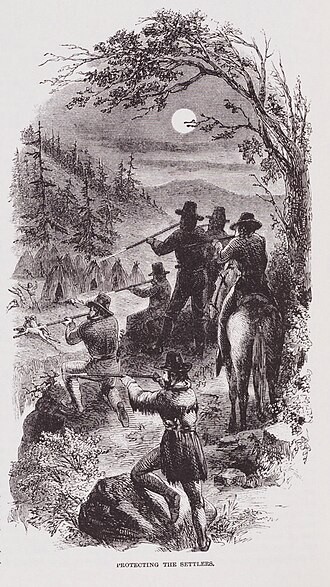
Gal Oya anti-Tamil violence
Anti-Tamil attacks amid the Sinhala Only campaign and settlement tensions.
- When
- June 1956
- Where
- Colombo and Gal Oya, Ceylon
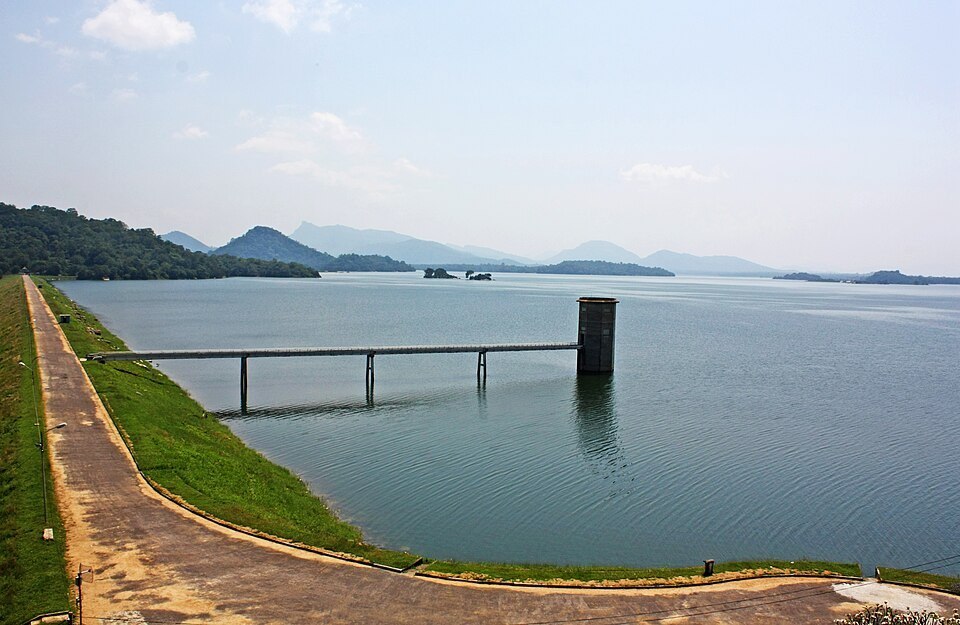
Anti-Tamil attacks amid the Sinhala Only campaign and settlement tensions.
Background
Language and political belonging
The government’s proposal to make Sinhala the sole official language intensified Tamil fears of exclusion. In June 1956, Federal Party supporters organised a peaceful protest in Colombo. Settlement policies and unequal access to land also formed part of the background to tension in the Gal Oya valley.[1]
What happened
- 5 June 1956
Protesters were attacked
A mob assaulted the Tamil demonstrators. Violence and looting then spread beyond the protest, including attacks on Tamil-owned businesses. News, reprisals and false rumours carried hostility eastward.[1]
- June 1956
Violence in Gal Oya
Groups commandeered vehicles and attacked Tamil residents and property. Police protection was inconsistent before stronger intervention restored order. Sinhalese civilians also suffered retaliatory attacks elsewhere; their deaths do not erase the targeting of Tamils.[1]
Impact & evidence
Conflicting death counts
Human Rights Watch’s historical account records more than 100 Tamils killed by Sinhalese settlers in the Gal Oya valley in 1956. Contemporary and later estimates differ. This is an estimate of deaths in the violence, not the number displaced or a complete individual victim register.[2]
Aftermath & legacy
A warning unaddressed
The attacks undermined confidence that minority citizens could protest peacefully and receive equal state protection.[1]
Sources & image credits (2)
AntanO · CC BY-SA 4.0 Image source ↗