Founding of the International Committee of the Red Cross
A small committee helped establish organised wartime relief and international protection for wounded soldiers.
- When
- 1863–1864
- Where
- Geneva, Switzerland
A small committee helped establish organised wartime relief and international protection for wounded soldiers.
Background
The aftermath of Solferino
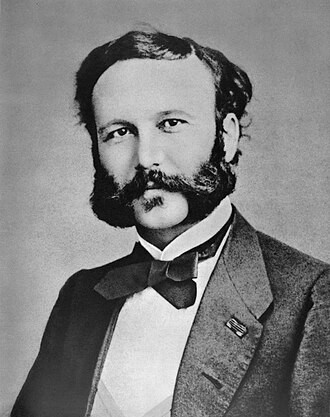
Henry Dunant's experience of wounded soldiers after the 1859 battle led him to advocate organised relief and protection. His proposals addressed failures of preparation and care that could not be solved by spontaneous charity alone.[2]
Two proposals after Solferino
Dunant’s proposals joined practical organisation to international agreement: volunteers trained before wars could care for the wounded, while states could recognise protection for those providing medical aid. The Geneva committee pursued both tracks, making the founding an institutional project rather than only an appeal for individual compassion.[2]
What happened
- February and October 1863
A committee and a conference
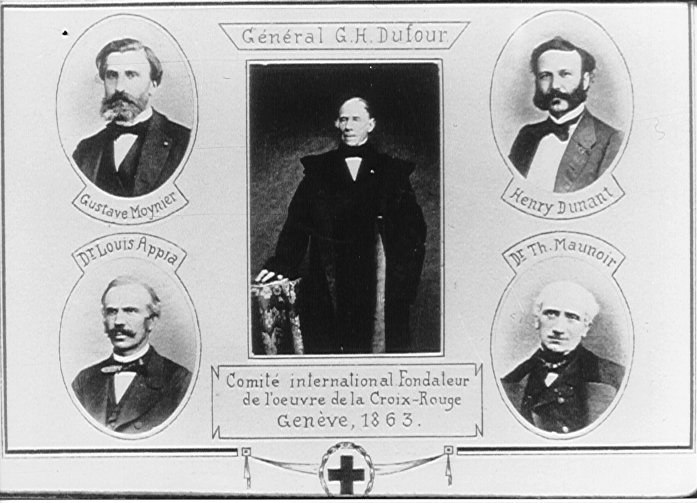
Five men formed a Geneva committee, then convened an international conference. It promoted national relief societies prepared in peacetime to assist the wounded during war. The organisation later took the name International Committee of the Red Cross.[3]
Impact & evidence
An international convention
The first Geneva Convention followed, providing a treaty basis for protection of wounded soldiers and medical services. The committee, national societies and governments played different roles; they were not a single organisation with identical responsibilities.[2]
Aftermath & legacy
An expanding humanitarian project
The movement and law later extended far beyond their initial battlefield focus. The founding did not end war or ensure compliance, but created institutions and standards through which relief, protection and accountability could be pursued across conflicts.[2]
Sources & image credits (3)
- Wikipedia — International Committee of the Red Cross ↗
- ICRC: history of the institution ↗
- ICRC treaty database: Geneva conference resolutions of 1863 ↗
Creator not identified; see linked source · Public domain Image source ↗