Flixborough chemical plant explosion
A temporary plant modification preceded a catastrophic cyclohexane release and explosion.
- When
- 1 June 1974
- Where
- Flixborough, England
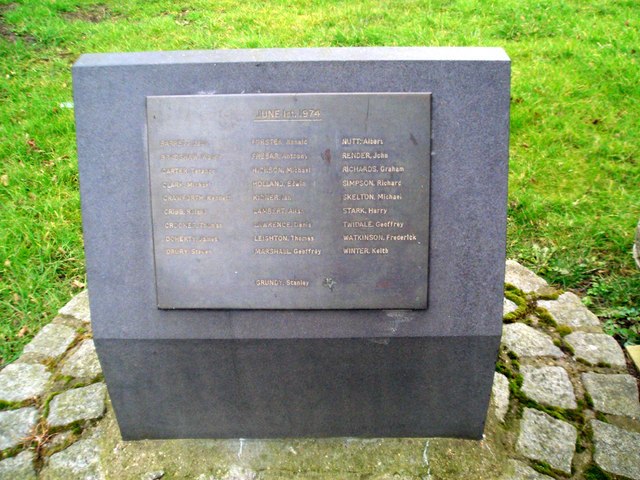
A temporary plant modification preceded a catastrophic cyclohexane release and explosion.
Background
Production continued with a bypass
After a reactor problem, the plant removed the vessel and installed a temporary connection between adjacent reactors. The modification introduced a critical engineering change into a system handling hot, pressurised flammable material.[2]
What happened
- 1 June 1974
A vapour cloud exploded
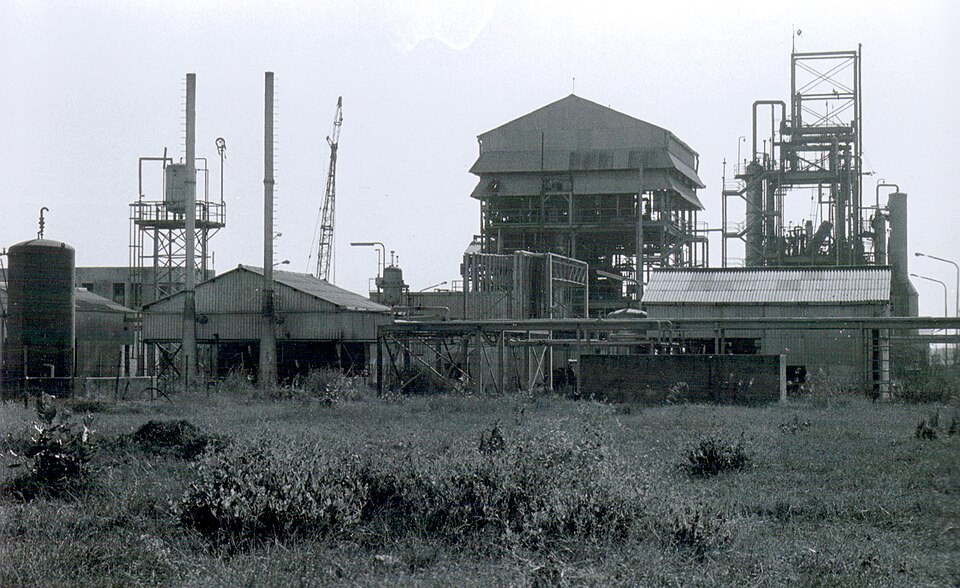
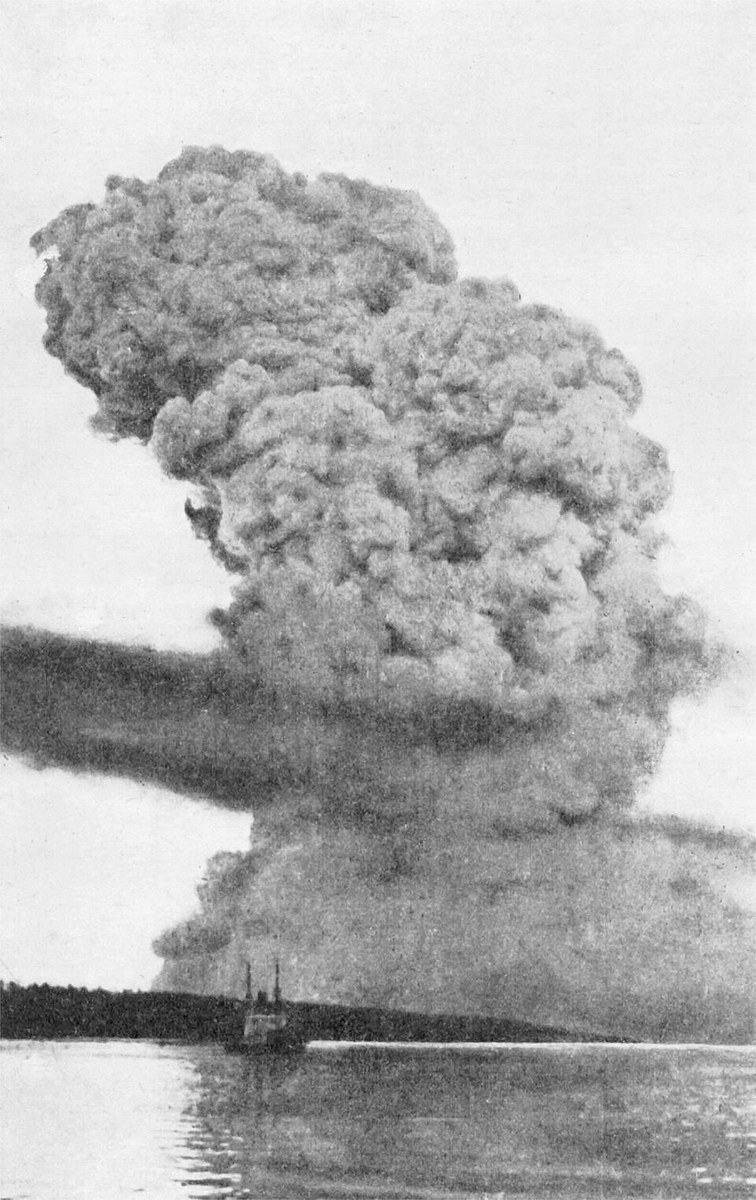
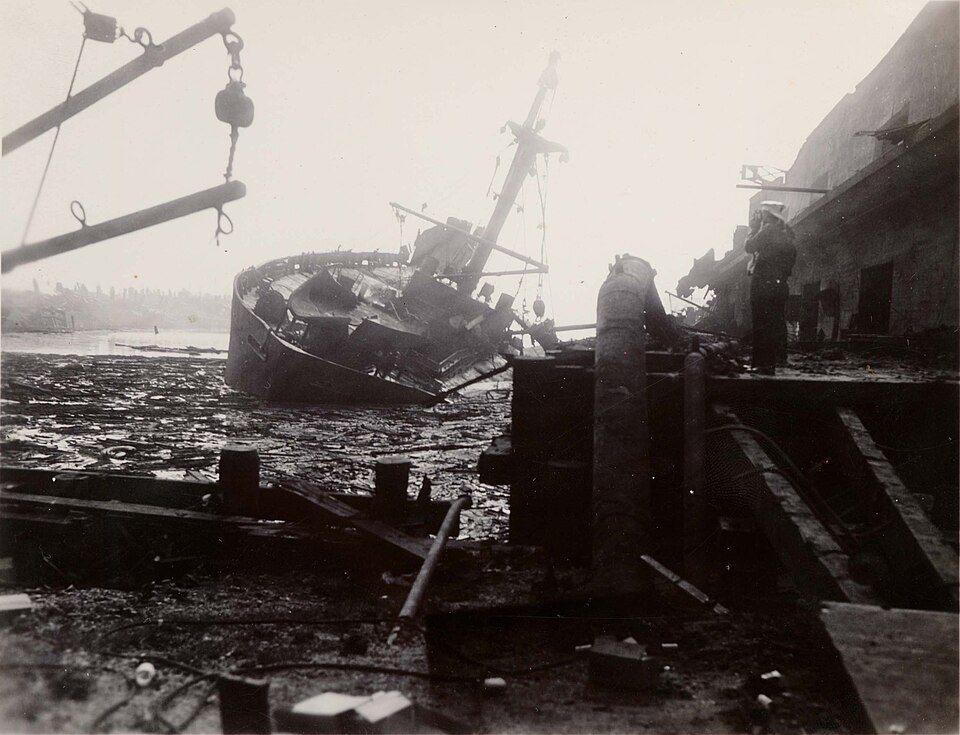
Failure in the modified system released cyclohexane, forming a large flammable cloud. Ignition caused a devastating explosion and extensive fire. Damage extended beyond the equipment where the release began.[2]
Impact & evidence
Twenty-eight workers killed
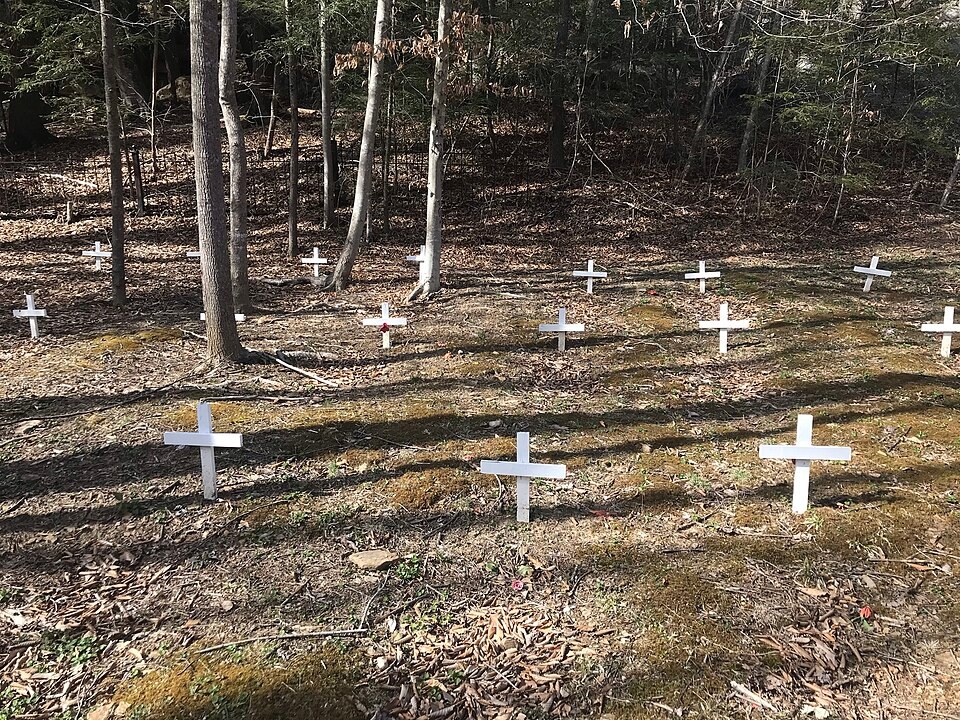
The explosion killed 28 people on site and injured others both at the plant and outside it. Homes and businesses were damaged. The Saturday timing limited the number of people present compared with a normal weekday workforce.[2]
The control room offered no protection
Eighteen of the 28 people killed were in the control room, where shattered windows and roof collapse left no survivors. HSE’s account records 36 injured on site and 53 reported injuries outside it. The losses exposed how the positioning and strength of occupied buildings could turn an equipment failure into mass casualties.[2]
Aftermath & legacy
Management of change became a central lesson
The investigation highlighted inadequate design, assessment and control of the temporary modification. Flixborough became an important case in process safety and major-hazard regulation. A temporary arrangement could carry the same catastrophic potential as permanent equipment and required corresponding scrutiny.[2]
Sources & image credits (2)
David Wright · CC BY-SA 2.0 Image source ↗