The Chipko forest-protection movement
Defending forests through community mobilisation and nonviolent resistance.
- When
- 1970s–1980s
- Where
- Garhwal Himalaya, India
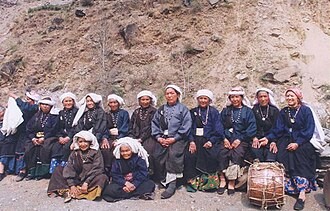
Chipko linked forest conservation with villagers' needs and rights. Women and men resisted commercial felling, with the action led by Gaura Devi at Reni becoming one of its best-known episodes.
Background
Forests and livelihoods
Woodlands supplied fuel, fodder and other necessities. Decisions favouring outside contractors could therefore affect everyday survival as well as ecology.[1]
What happened
Impact & evidence
Forests as a source of livelihood
In March 1974, women led by Gaura Devi confronted tree felling at Reni. The action belonged to a wider struggle over who controlled forests and who benefited from their use. For local communities, forests supplied everyday necessities, so commercial extraction could threaten livelihood as well as landscape. The familiar image of embracing trees captures one method of resistance within this larger conflict over rights.[1]
Aftermath & legacy
Community environmentalism
Chipko became an influential example of nonviolent ecological action. Its varied local struggles should not be reduced to a single photograph or a story about trees without people.[1]
Sources & image credits (1)
Ceti at English Wikipedia; CC BY-SA 3.0; via Wikimedia Commons. Image source ↗