Exxon Valdez oil spill
The Exxon Valdez grounding spilled nearly 11 million US gallons of crude oil into Prince William Sound.
- When
- 24 March 1989 onward
- Where
- Prince William Sound, Alaska
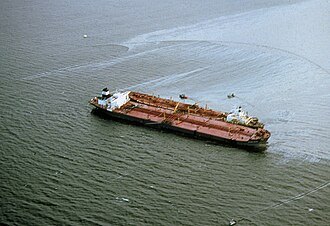
The Exxon Valdez grounding spilled nearly 11 million US gallons of crude oil into Prince William Sound.
Background
A productive coastal environment
Prince William Sound supported wildlife, fisheries and communities relying on marine resources. Its remote coastline made large-scale response difficult, while oil could reach habitats far beyond the grounding site.[2]
What happened
- 24 March 1989
Grounding on Bligh Reef
The tanker struck the reef, rupturing its hull and releasing oil. Response and cleanup brought together local, state, federal and private organisations under difficult conditions.[2]
Impact & evidence
Effects beyond visibly oiled animals
Immediate images showed contaminated beaches and wildlife. Research also examined less visible biological effects, including injury to developing fish. The disappearance of surface oil therefore did not establish that all damage had ended.[3]
Aftermath & legacy
Response and restoration
The spill became a major reference point for oil-spill preparedness and environmental assessment. Communities experienced losses in fishing and subsistence activities as well as ecological damage, requiring a broader account than cleanup expenditure alone.[2]
Sources & image credits (3)
- Wikipedia — Exxon Valdez oil spill ↗
- NOAA: Exxon Valdez response history ↗
- NOAA Fisheries: long-term research ↗
Exxon Valdez Oil Spill Trustee Council Image source ↗