Encomienda in Spanish America
Conquerors receiving rights to Indigenous tribute and labour under a claimed duty of protection.
- When
- 16th century onward
- Where
- Spanish America
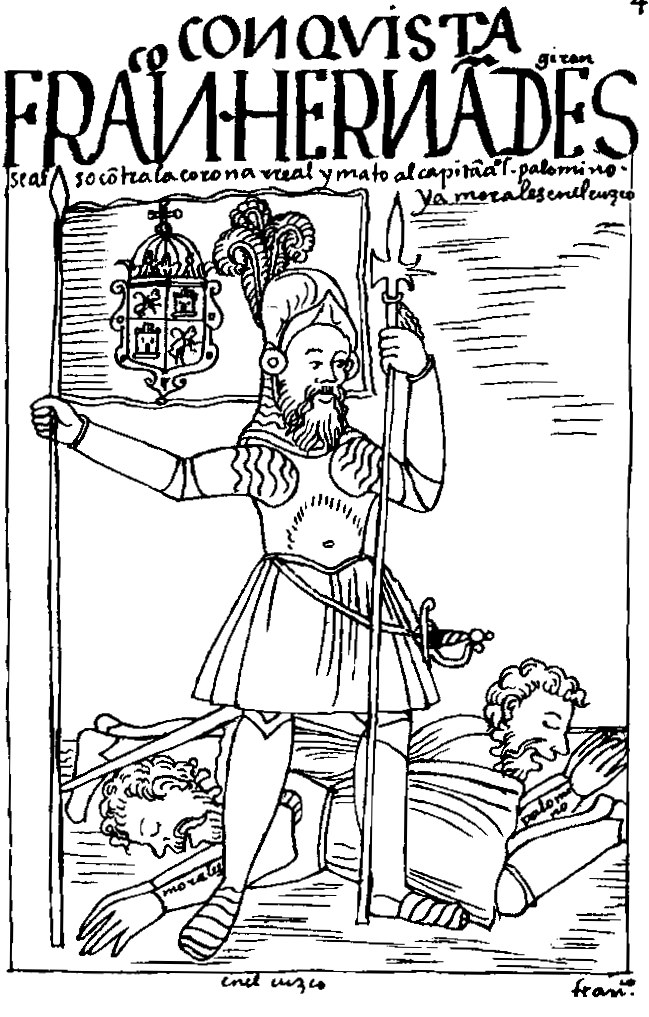
Conquerors receiving rights to Indigenous tribute and labour under a claimed duty of protection. Spanish rulers granted encomiendas to individuals who could demand tribute from assigned Indigenous communities. Encomenderos were supposed to provide protection and Christian instruction.
Background
Conquest converted into entitlement
Spanish rulers granted encomiendas to individuals who could demand tribute from assigned Indigenous communities. Encomenderos were supposed to provide protection and Christian instruction. The grant was not formally ownership of the people or automatically a title to their land, but its practical operation gave colonists substantial coercive power.[1]
What happened
- Early colonial decades
Labour and tribute extracted
Communities supplied goods, precious metals or labour according to local arrangements. Demands interacted with warfare, disease and loss of land, placing survivors under further pressure. Treating the formal language of royal vassalage as proof of freedom obscures the inability of many people to refuse these obligations.[1]
- 1542 onward
Reform encounters resistance
The New Laws attempted to restrict Indigenous enslavement and the perpetuation of encomienda grants. Colonists resisted, and implementation varied. Tribute-based encomiendas continued in some regions while other labour systems developed alongside them. There was no single day on which legislation removed colonial coercion everywhere.[1]
Impact & evidence
Institutions overlapped
Encomienda, chattel slavery and rotating labour drafts were different legal arrangements. People could nevertheless experience severe compulsion under each. Careful accounts must identify the particular region and period instead of combining all Spanish colonial labour into one undifferentiated institution.[2]
Aftermath & legacy
A foundation of colonial inequality
The system helped transfer resources and authority to colonial elites while claiming to protect the communities from which they were drawn. Indigenous petitions and litigation reveal efforts to challenge abuse within that order. The gap between legal obligations and enforcement is central to understanding its history.[1]
Sources & image credits (2)
Felipe Guamán Poma de Ayala; reproduction via Wikimedia Commons. · Public domain (source record). Resized for display. Image source ↗