El Mozote massacre
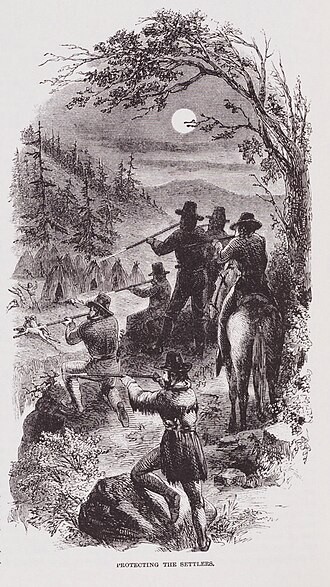
Salvadoran armed forces killing civilians during a scorched-earth counterinsurgency operation.
- When
- 11–13 December 1981
- Where
- Morazán, El Salvador
Salvadoran armed forces killing civilians during a scorched-earth counterinsurgency operation. El Salvador's civil war placed rural communities between state forces and guerrillas. The army's Atlácatl Battalion carried out a counterinsurgency operation in Morazán.
Background
Civilian communities in a war zone
El Salvador's civil war placed rural communities between state forces and guerrillas. The army's Atlácatl Battalion carried out a counterinsurgency operation in Morazán. Residents of El Mozote and neighbouring settlements included families seeking safety, not simply people taking part in armed resistance.[1]
What happened
- December 1981
Civilians separated and killed
Soldiers detained residents and separated men, women and children. They carried out executions and destroyed houses. Killings also occurred in surrounding settlements, so the name El Mozote commonly refers to a connected series of atrocities rather than only deaths within one village.[1]
- After the operation
Denial challenged by testimony
Survivors and journalists reported the killings, but official denial delayed acknowledgment. Later forensic work, including the recovery of children's remains, provided physical evidence consistent with witness accounts. The investigation demonstrated why independent reporting and exhumations mattered when military narratives dismissed allegations.[1]
Impact & evidence
The geographical scope matters
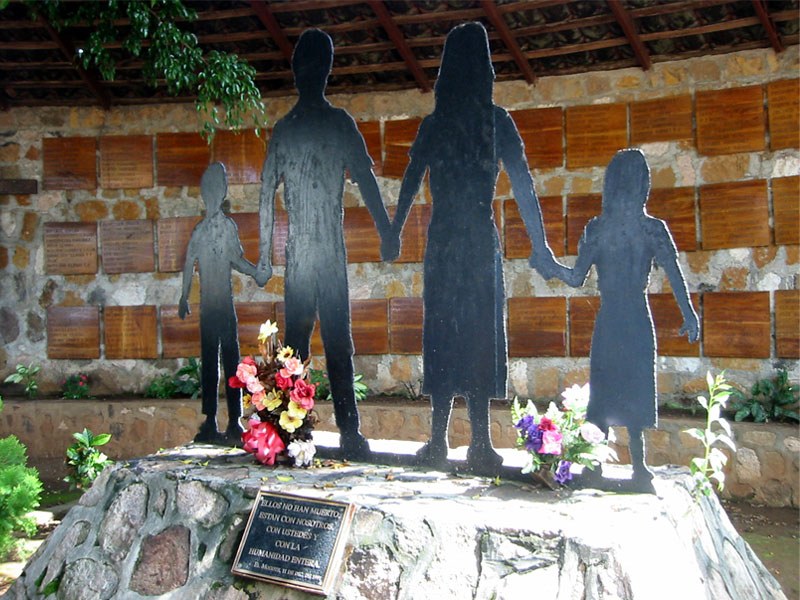
Published totals differ according to which neighbouring communities and identified victims are included. Accounts place the toll above 800, while wider victim registers approach 1,000. A substantial proportion were children. Those differences require explaining the area covered, rather than treating every count as a competing estimate for one building or village.[2]
Aftermath & legacy
Accountability after amnesty
The Inter-American Court found the Salvadoran state responsible and described the attacks as part of a scorched-earth policy. Proceedings and demands for redress continued after the civil war. The case illustrates how amnesties, destroyed records and official obstruction can delay justice even when survivor testimony and forensic evidence establish mass killing.[1]
Sources & image credits (2)
Efrojas · Public domain (source record). Resized for display. Image source ↗