Brazilian sugar slavery in Pernambuco
Pernambuco's sugar wealth rested on enslaved labour, Atlantic trafficking and concentrated control of land.
- When
- Sixteenth–nineteenth centuries
- Where
- Pernambuco, Brazil
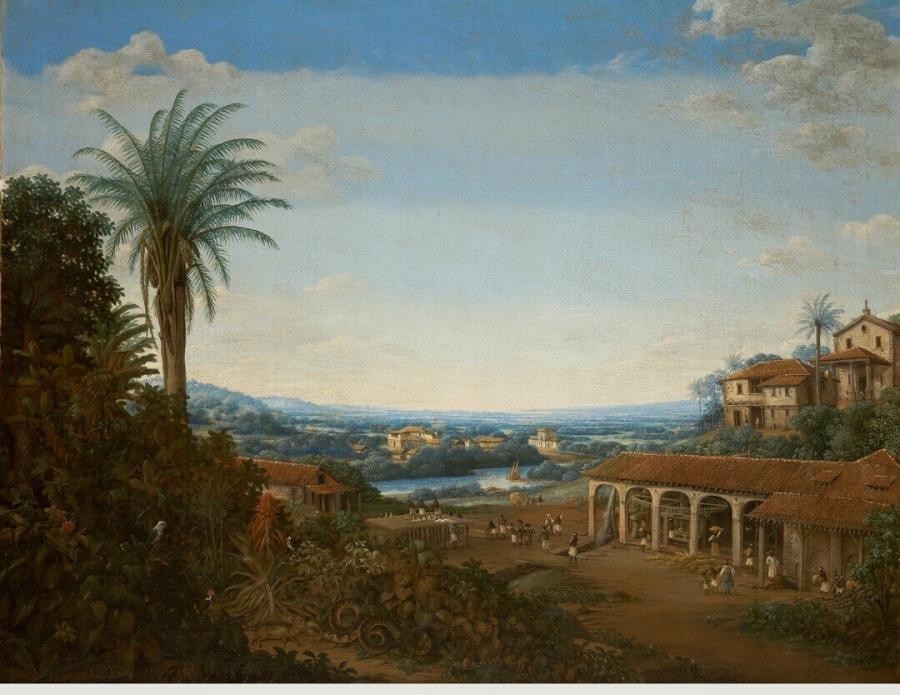
Pernambuco's sugar wealth rested on enslaved labour, Atlantic trafficking and concentrated control of land.
Background
The plantation and the port
Pernambuco's coastal environment and transport connections supported an export sugar economy. Landholding and ownership of mills helped concentrate political power. Enslaved people made this wealth possible through cultivation, processing and supporting work, while the profits flowed through merchants and imperial trading networks.[2]
What happened
- Sixteenth–seventeenth centuries
An Atlantic system of coercion
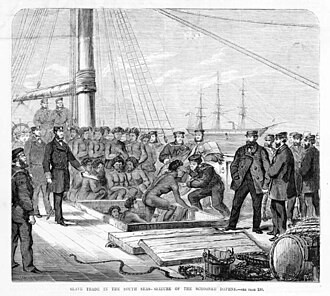
African trafficking became increasingly central to plantation production, alongside earlier Indigenous enslavement. The Dutch occupation of Pernambuco exposed the close link between Brazilian plantations and African slave-trading ports. Control of sugar production depended on control of human supply routes across the ocean.[3]
Impact & evidence
Production organised through domination
The engenho was more than a machine: the mill and its associated lands formed a centre of labour and authority. Enslavement structured social relationships beyond the cane fields. A narrative about successful exports alone omits the people forced to create them and the violence sustaining that work.[2]
Aftermath & legacy
Resistance was part of the system's history
Flight, resistance and communities such as Palmares challenged plantation power. Manumission also formed part of Brazilian slavery, but the possibility that some people obtained freedom did not make enslavement voluntary. The region's history links the accumulation of wealth to both coercion and sustained struggles against it.[3]
Sources & image credits (3)
- Wikipedia — Slavery in Brazil ↗
- SciELO: formation of Pernambuco's sugar-producing elite ↗
- Rafael de Bivar Marquese: slavery, resistance, trafficking and manumission ↗
Frans Post / Museum Boijmans Van Beuningen Image source ↗