Brazilian gold mining and enslaved labour in Minas Gerais
Brazil's gold boom depended on enslaved workers whose labour and knowledge built a major colonial mining economy.
- When
- Late seventeenth–eighteenth centuries
- Where
- Minas Gerais, Brazil
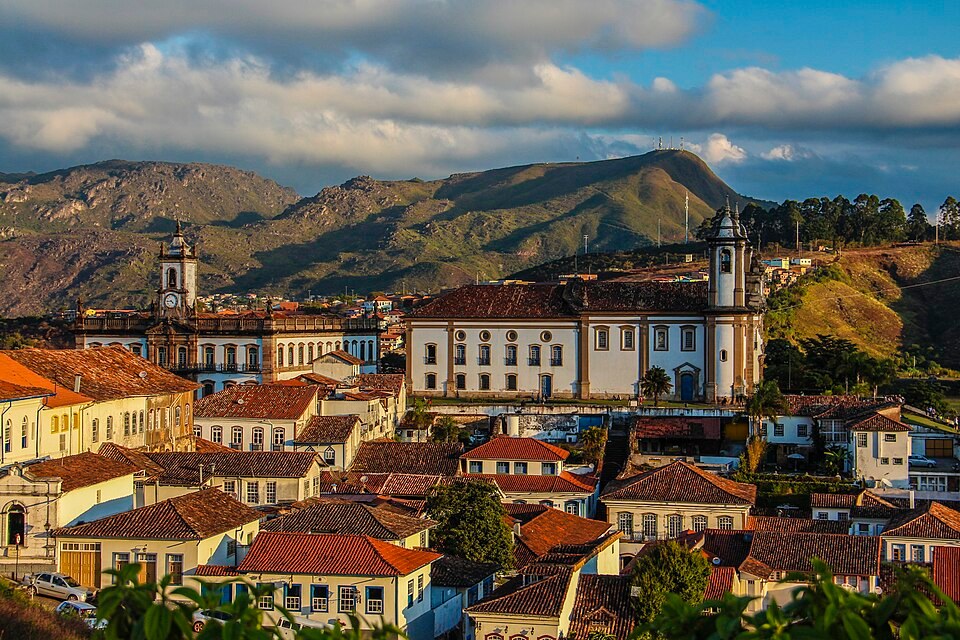
Brazil's gold boom depended on enslaved workers whose labour and knowledge built a major colonial mining economy.
Background
A rush into the interior
Gold discoveries drew settlers, traders and enslaved Africans into Minas Gerais. Mining settlements became important colonial centres, connected to Atlantic commerce and Portuguese taxation. The apparent wealth of the region rested on forced movement and unequal control of both mineral resources and labour.[1]
What happened
- Eighteenth century
Working water, earth and rock
Mining required different techniques for river deposits and veins in hillsides. Workers moved water and sediment, dug and washed deposits, and adapted their labour to local terrain. Scholarship on mining methods shows the interaction of technical practice, property claims and colonial law rather than a simple story of individual prospectors discovering riches.[2]
Impact & evidence
Enslaved workers were not interchangeable tools
The extraction process depended on practical knowledge as well as physical effort. Ownership structures determined who could claim mineral wealth while enslaved workers bore the demands of production. Recognising expertise does not lessen the coercion that prevented people from controlling their own work and lives.[2]
Aftermath & legacy
Reading a gold economy's records
Contemporary writing about the mines often concerned morality, political order and the supposed effects of wealth. Such texts reveal elite anxieties as well as conditions in mining society. They need to be read alongside material evidence and records of enslaved lives, not treated as transparent descriptions of the entire population.[3]
Sources & image credits (3)
- Wikipedia — Slavery in Brazil ↗
- SciELO: gold-mining methods in eighteenth-century slave-operated mines ↗
- SciELO: a letter from the mines, 1727 ↗
Raquel Mendes Silva Image source ↗