The Biafran famine and relief airlifts
Confronting mass starvation through emergency relief during the Nigerian Civil War.
- When
- 1967–1970
- Where
- Nigeria; Biafra and regional air routes
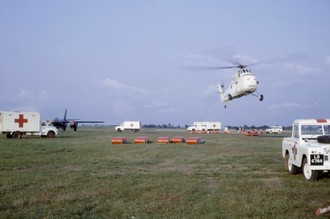
War and blockade produced a catastrophic humanitarian crisis in Biafra. Relief operations attempted to bring food and medical assistance to people facing severe malnutrition, while access became entangled with military and political conflict.
Background
A war of secession
Biafra's attempted separation from Nigeria led to civil war. Civilians faced the consequences of fighting, disrupted food supplies and restrictions on access.[1]
Malnutrition and the threat of disease
A recorded 1968 ICRC meeting describes severe malnutrition as the central emergency and warns that epidemics could follow. Relief agencies were trying to establish emergency supply routes while negotiating the conflict’s political constraints. This contemporary record shows a crisis unfolding over time, as weakened people faced interacting dangers rather than a single isolated shortage.[3]
What happened
Impact & evidence
The human toll
Estimates of deaths in the Nigerian Civil War differ substantially. An ICRC historical survey reports that perhaps as many as three million people died in combat or from hunger and disease across the conflict. That is a combined war toll, not a verified count of famine deaths alone. Blockade, displacement and the collapse of ordinary food supplies made civilians especially vulnerable, and relief access became a matter of life and death.[2]
Aftermath & legacy
An influential humanitarian crisis
Images of starving children and the difficulties of neutral relief affected later aid debates. Relief organisations did not all use the same methods or share the same relationship with the belligerents.[1]
Sources & image credits (3)
- ICRC — 160 years of humanitarian action ↗
- icrc.org — historical account ↗
- avarchives.icrc.org — historical account ↗
CDC/ Dr. Lyle Conrad; Public domain; via Wikimedia Commons. Image source ↗