Bengal School of Art and cultural nationalism
Artists sought a modern Indian visual language beyond colonial academic conventions.
- When
- Late nineteenth–early twentieth centuries
- Where
- Bengal, British India
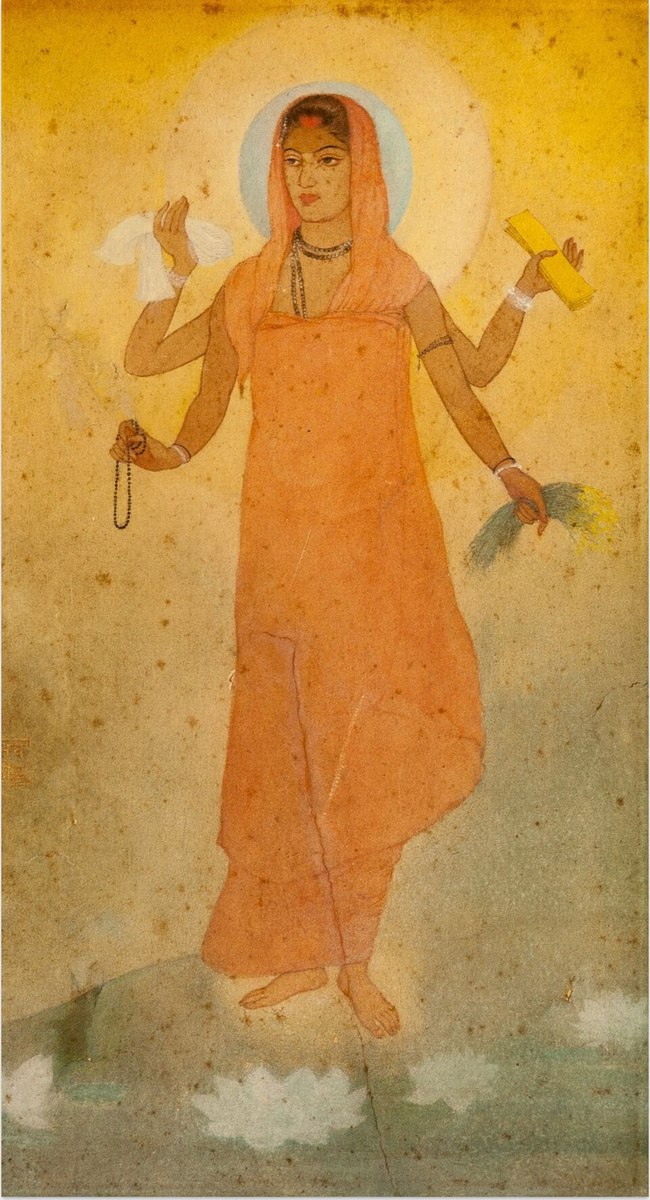
Artists sought a modern Indian visual language beyond colonial academic conventions.
Background
Art education became a political question
Colonial institutions promoted European academic standards. Abanindranath Tagore and supporters including E. B. Havell challenged their authority and explored alternative sources for modern Indian art. The debate connected aesthetic choices with cultural self-definition.[2]
What happened
- Early twentieth century
Old traditions, new combinations
Artists drew on Indian painting traditions and wider Asian influences. Delicate washes, suggestive atmosphere and literary or historical subjects offered alternatives to academic naturalism. The movement was a creative reworking of sources, not simply the unchanged revival of one ancient style.[2]
Impact & evidence
A wider circle of artists
Students and associates carried approaches into other centres. The Bengal School label encompasses varied practices, including artists who developed their own directions rather than repeating a single master's formula.[2]
Aftermath & legacy
Influence and later challenges
The movement changed the terms on which Indian art could be discussed under colonial rule. Later modernists criticised aspects of revivalism and sought other forms of expression. That disagreement belongs to its legacy: cultural independence did not require all artists to accept one definition of national art.[3]
Sources & image credits (3)
- Wikipedia — Bengal School of Art ↗
- National Gallery of Modern Art: Bengal School ↗
- Contemporary discussion of the Bengal School ↗
Abanindranath Tagore · Public domain Image source ↗