Belgian Constitution
Belgium's founding constitution combined liberal rights with a political system restricted to a small wealthy electorate.
- When
- 1831
- Where
- Belgium
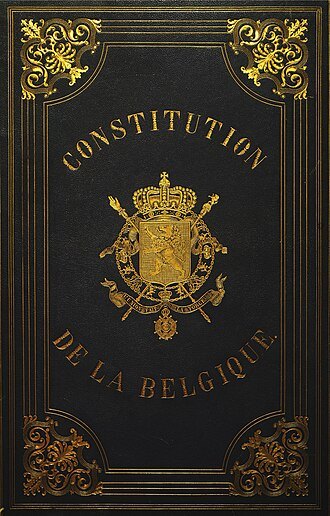
Belgium's founding constitution combined liberal rights with a political system restricted to a small wealthy electorate.
Background
A new state after revolution
Belgium's separation from the Netherlands required a framework for government. The National Congress adopted a constitution establishing a hereditary monarchy with representative institutions. Its liberal reputation rested partly on protections for religion, expression and association.[1]
What happened
- 1831
Authority divided by constitutional rules
The constitution created a parliamentary structure and constrained royal action through ministers and law. It became influential beyond Belgium. But the language of national sovereignty did not mean every adult participated in choosing representatives.[1]
Impact & evidence
Tax payments determined political voice
Voting depended on paying a qualifying amount of tax. Only a small proportion of the population could vote, and eligibility for the Senate was narrower still. These restrictions show the difference between nineteenth-century constitutional liberalism and universal democratic representation.[2]
Aftermath & legacy
Rights widened through later struggle
Electoral reform gradually extended participation, first through changes that still gave some men extra votes and later through equal male and female suffrage. The founding document's history is therefore not a single triumph of equality. It is a framework whose exclusions were challenged over generations.[3]
Sources & image credits (3)
- Wikipedia — Constitution of Belgium ↗
- Belgian Senate: property-based suffrage, 1831–1893 ↗
- Belgian Senate: historical development of representation ↗
Royaume de Belgique Image source ↗