Beirut port explosion
Dangerously stored ammonium nitrate exploded, devastating neighbourhoods and exposing years of official failure.
- When
- 4 August 2020 and aftermath
- Where
- Beirut, Lebanon
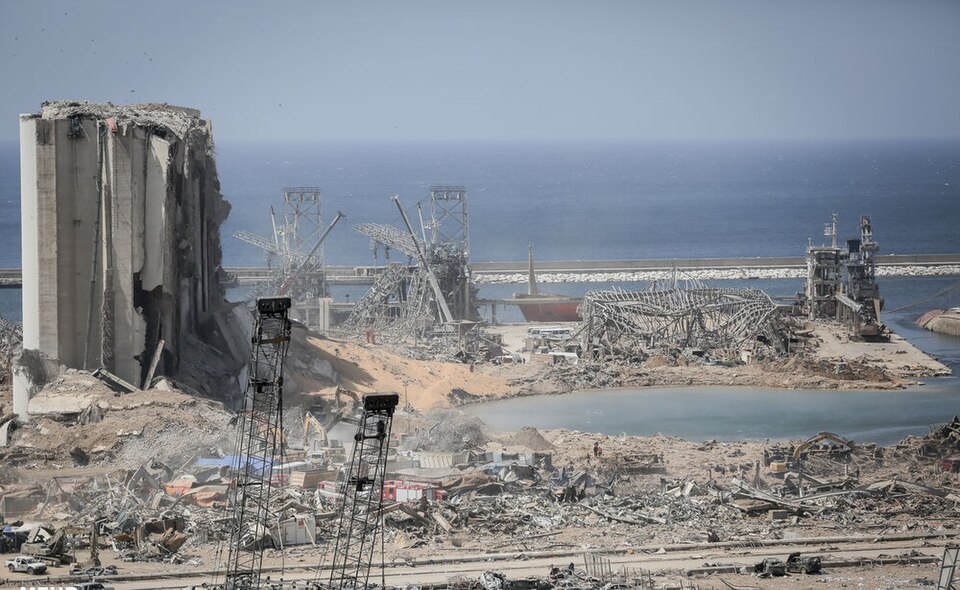
Dangerously stored ammonium nitrate exploded, devastating neighbourhoods and exposing years of official failure.
Background
A known hazard remained at the port
A shipment of ammonium nitrate was stored for years at Beirut's port. Documents examined by Human Rights Watch showed repeated warnings and knowledge among officials. The disaster was therefore connected to decisions and failures over time, not only the fire immediately preceding it.[2]
What happened
- 4 August 2020
Fire followed by a massive explosion
The blast tore through the port and neighbouring districts. Homes, businesses and hospitals were damaged as emergency workers confronted a city-wide crisis. Uncertainty remains over how much of the original stock was still present and detonated.[2]
Impact & evidence
At least 218 people killed
HRW's 2021 investigation recorded 218 deaths, thousands of injuries and widespread displacement. Victims included port workers, emergency responders and residents of several nationalities. Loss of housing and services compounded Lebanon's existing economic crisis.[2]
Aftermath & legacy
An investigation repeatedly obstructed
The investigation led by Judge Tarek Bitar faced years of political and legal obstruction. Associated Press reported its resumption in 2025, with plans to question senior officials. Families continued to demand accountability; renewed investigative activity was a procedural step, not a completed trial or conviction.[3]
Sources & image credits (3)
- Wikipedia — 2020 Beirut explosion ↗
- Human Rights Watch: investigation into the Beirut blast ↗
- Associated Press: investigation resumed in 2025 ↗
Mahdi Shojaeian · CC BY 4.0 Image source ↗