Balangiga reprisals and the Samar campaign
United States counterinsurgency after the Balangiga attack brought killings and widespread destruction on Samar.
- When
- 1901–1902
- Where
- Balangiga and Samar, Philippines
United States counterinsurgency after the Balangiga attack brought killings and widespread destruction on Samar.
Background
War against Philippine independence
The United States claimed sovereignty over the Philippines after Spain's defeat, while Filipino revolutionaries fought for independence. Samar became a centre of resistance. The attack on an American garrison at Balangiga occurred within this colonial war, not in an otherwise peaceful relationship.[1]
What happened
- September 1901
The Balangiga attack
Filipino attackers struck Company C of the 9th Infantry at Balangiga, killing dozens of American soldiers. The defeat prompted a punitive campaign under General Jacob H. Smith. Responsibility for an attack by combatants was extended to a much wider civilian population.[1]
- 1901–1902
Orders to destroy
Smith's instructions to kill and burn and turn Samar into a devastated wilderness became a public scandal. Military operations destroyed settlements and food supplies. Congressional debate records both condemnation and attempts to defend the campaign, showing that its brutality was contested even at the time.[2]
Impact & evidence
Executions, hunger and displacement
Brian McAllister Linn documents the destruction of crops, boats and homes, coastal concentration camps and obstruction of food supplies. He also records the execution of eleven Filipino carriers on Waller’s orders. An island-wide civilian death total remains uncertain; published estimates differ too sharply to present one as a verified count. The documented violence does not depend on accepting the largest estimate.[3]
Aftermath & legacy
Limited accountability
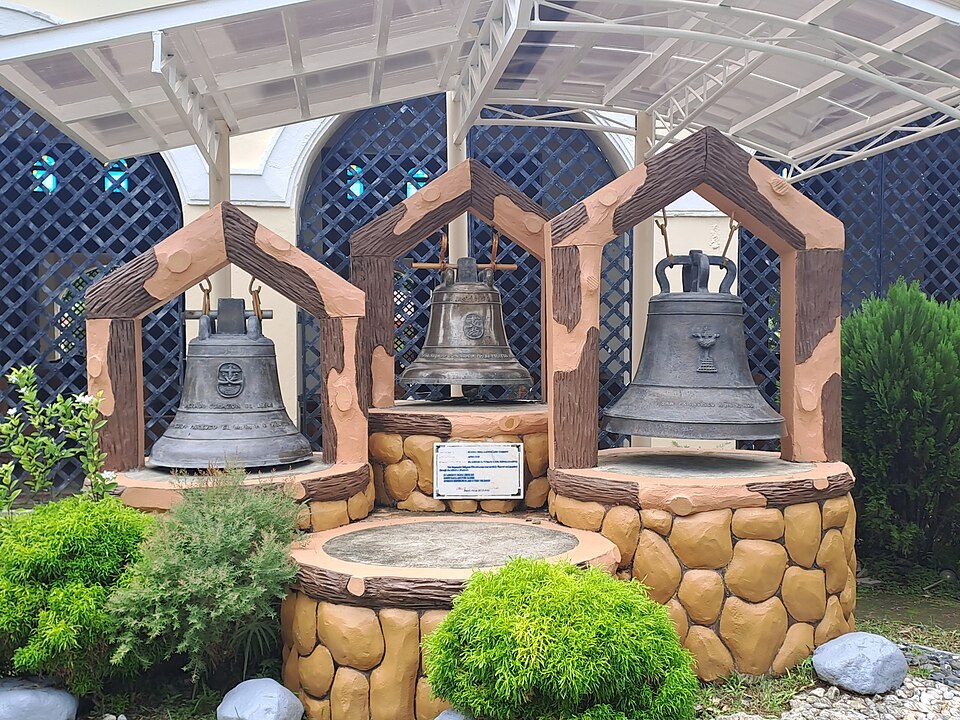
Smith was court-martialled and retired, while Waller was acquitted. Those proceedings did not restore the lives or communities destroyed. The return of the Balangiga church bells in 2018 later became an important act of remembrance, but it was distinct from a full accounting of the reprisals.[1]