Avogadro's molecular hypothesis
Avogadro proposed that equal gas volumes at the same temperature and pressure contain equal numbers of molecules.
- When
- 1811 and nineteenth-century reception
- Where
- Turin and European chemistry
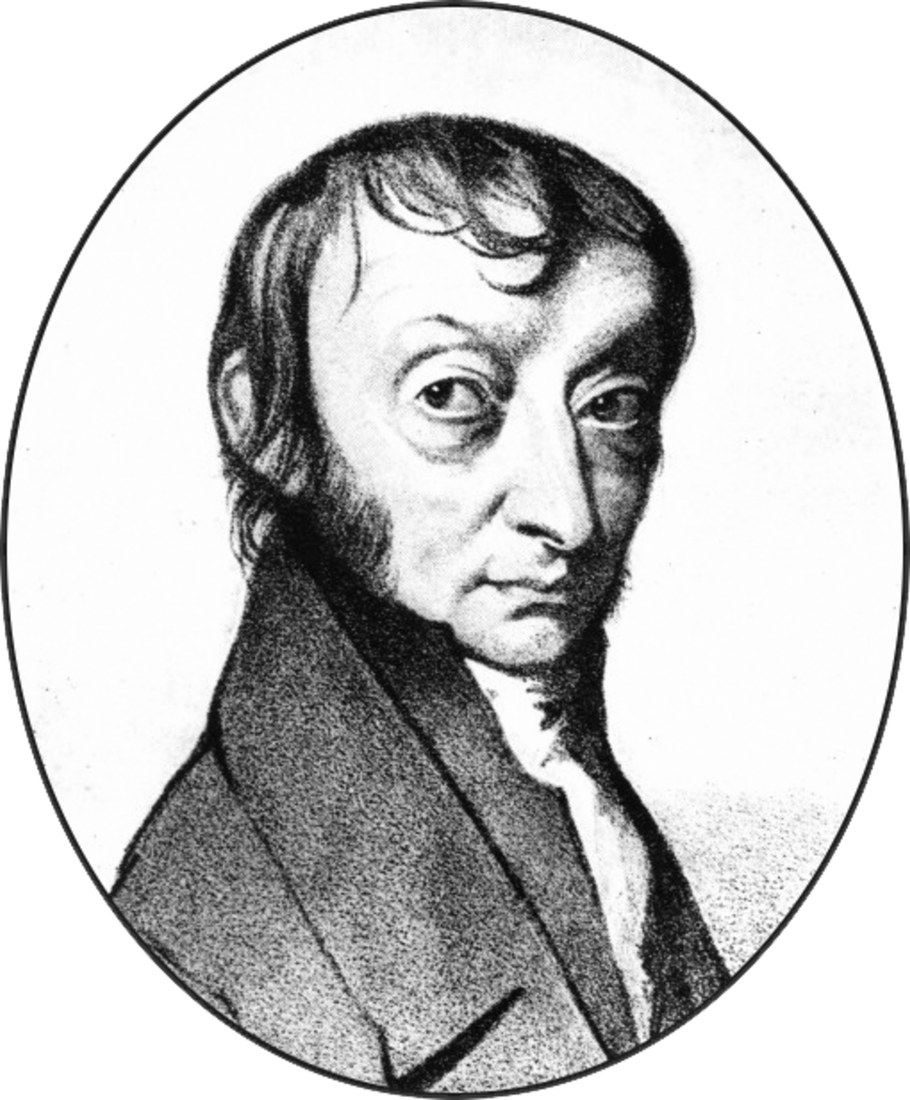
Avogadro proposed that equal gas volumes at the same temperature and pressure contain equal numbers of molecules.
Background
A puzzle about combining gases
Chemists could measure simple ratios between reacting gas volumes, but reconciling those observations with atomic theory was difficult. Confusion between atoms and molecules made apparently straightforward reactions hard to explain. Avogadro proposed a way to relate volume to the number of molecular units.[2]
What happened
- 1811
The equal-volume hypothesis
He argued that equal volumes of gases under the same conditions contain equal numbers of molecules. Allowing elemental gases to consist of molecules containing more than one atom helped explain their combining volumes. The proposal concerned a relationship; Avogadro did not measure the modern numerical constant named after him.[2]
Impact & evidence
Acceptance was delayed
The hypothesis conflicted with influential assumptions and attracted limited immediate acceptance. Later work, particularly that associated with Stanislao Cannizzaro, helped clarify its value in establishing consistent atomic and molecular weights. A correct insight can therefore remain marginal until the surrounding conceptual framework changes.[3]
Aftermath & legacy
A basis for quantitative chemistry
The relationship became part of the gas laws and helped connect macroscopic measurements with molecular quantities. Its historical importance lies in separating concepts that had been conflated, making chemical formulas and relative weights more coherent.[1]
Sources & image credits (3)
- Wikipedia — Avogadro's law ↗
- Science History Institute: Amedeo Avogadro ↗
- Science History Institute: setting the periodic table ↗
The original uploader was Anton at German Wikipedia . Image source ↗