Aryabhata's mathematical astronomy
A compact mathematical and astronomical work that shaped later calculation and commentary.
- When
- Traditionally dated to 499 CE
- Where
- Indian subcontinent
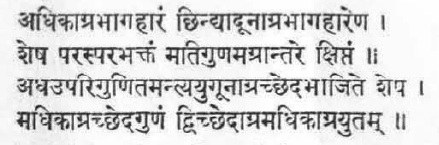
A compact mathematical and astronomical work that shaped later calculation and commentary. The Aryabhatiya brought mathematical methods and astronomical models into a short Sanskrit verse text. Its compressed form assumed explanation by teachers and commentators.
Background
A tradition of calculation
The Aryabhatiya brought mathematical methods and astronomical models into a short Sanskrit verse text. Its compressed form assumed explanation by teachers and commentators. The work belonged to an existing scholarly tradition, so its importance does not depend on presenting every rule as an invention without predecessors.[1]
What happened
- Late 5th–early 6th century
Mathematics for astronomy
The text includes methods concerning arithmetic, geometry, trigonometry and equations. Sine tables and computational procedures helped turn astronomical questions into problems that could be calculated. The traditionally used date is 499, though historians have discussed the interpretation of its internal chronology.[3]
- The astronomical model
Motion and explanation
Aryabhata explained the apparent daily motion of the stars through Earth's rotation and treated eclipses through the positions and shadows of celestial bodies. These ideas should not be confused with a complete modern heliocentric solar system. Different parts of the model reflected the scientific framework of its time.[1]
Impact & evidence
Commentaries carried the methods
The work's influence depended on interpretation, criticism and teaching across generations. Its terse verses are evidence of an organised mathematical discipline, not merely a collection of striking isolated claims. Later scholars adapted its methods and debated its astronomical assumptions.[2]
Aftermath & legacy
Credit without exaggerated priority
The Aryabhatiya demonstrates the depth of mathematical astronomy in South Asia. Claims that it independently anticipated every modern concept obscure its actual achievements. A more informative assessment explains specific procedures, the problems they solved and the intellectual traditions through which they were transmitted.[1]
Sources & image credits (3)
Krishnachandranvn · CC BY-SA 3.0 (source record). Resized for display. Image source ↗