Anti-Tamil pogrom in Ceylon
Island-wide attacks that killed civilians and uprooted Tamil communities.
- When
- May 1958
- Where
- Ceylon, now Sri Lanka
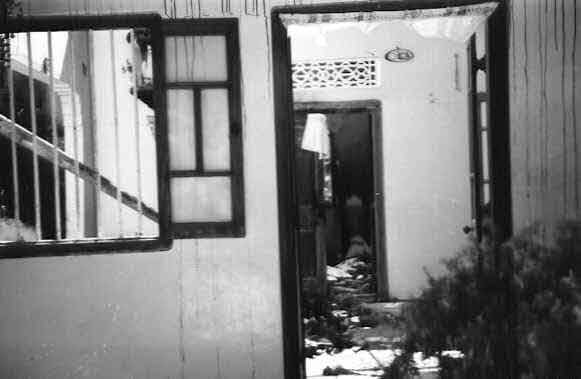
Island-wide attacks that killed civilians and uprooted Tamil communities.
Background
The failure of political compromise
The Sinhala Only policy and the collapse of an agreement between the government and Tamil federalist leaders deepened political hostility. Rumours and organised intimidation turned existing grievances into attacks on people identified by ethnicity.[1]
What happened
- May 1958
Violence across the island
Tamil travellers, residents and businesses were attacked in multiple districts. Arson and killings forced families to seek shelter. Retaliatory violence also struck Sinhalese civilians in some Tamil-majority areas, while the main island-wide pogrom targeted Tamils.[1]
- 27 May 1958
Emergency rule
The government declared a state of emergency and deployed security forces. Intervention eventually contained the main outbreak, but displaced families could not simply return to their previous lives.[1]
Impact & evidence
Deaths and uprooting
The official death toll was 158; historical estimates are substantially higher, commonly ranging from several hundred to about 1,500. No complete agreed register resolves the discrepancy. Families also lost homes, shops and livelihoods, and evacuation deepened the geographical separation of communities.[1]
Aftermath & legacy
Lasting displacement
Evacuation and flight reinforced separation between communities. Memories of 1958 became part of the background against which later Tamil demands for security and political autonomy developed.[1]
Violence repeated before the civil war
Human Rights Watch places the 1958 attacks in a sequence of anti-Tamil violence that included 1956, 1977 and 1983. The repetition undermined confidence in protection by the state and contributed to the growth of separatist politics. These pogroms preceded the sustained civil war rather than being simply casualties of fighting between two armies.[2]
Sources & image credits (2)
Ilankai Tamil Sangam; photographer not identified · Copyright retained by the rights holder Image source ↗