Anfal campaign against Iraqi Kurds
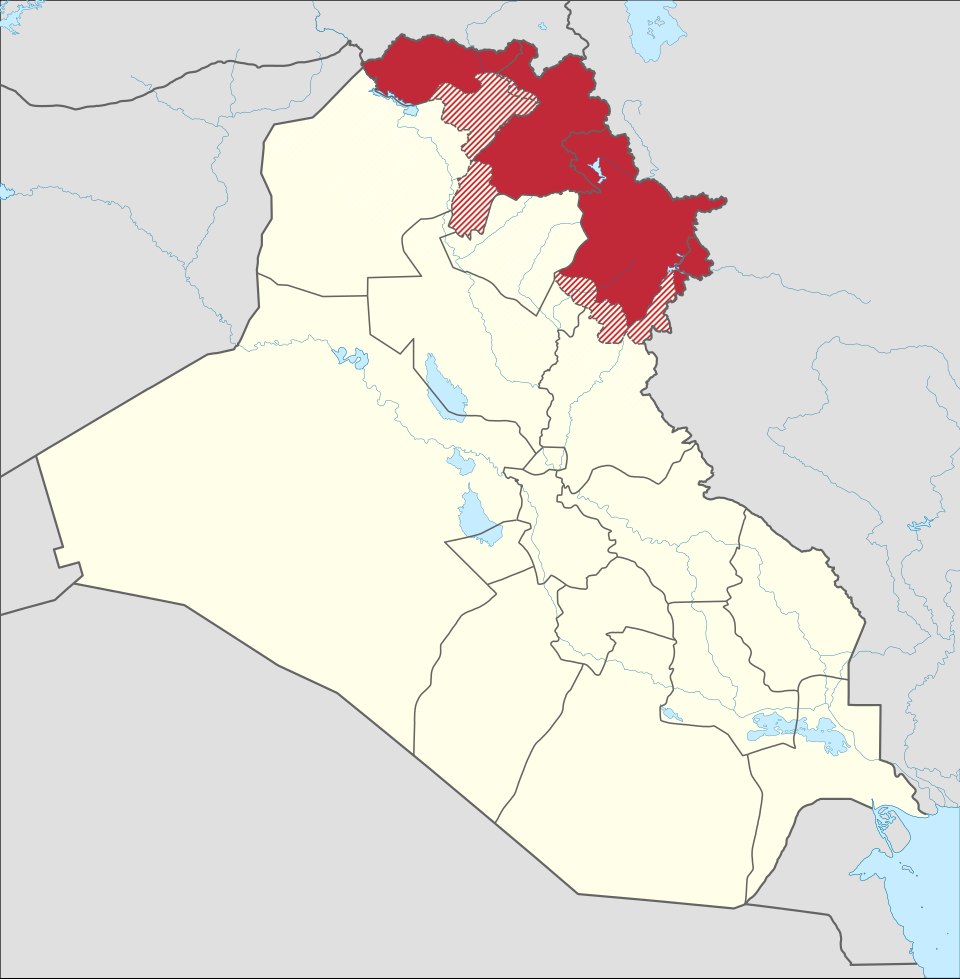
A state campaign of killing, disappearance and village destruction against Iraqi Kurds.
- When
- 1987–1988, especially February–September 1988
- Where
- Northern Iraq
A state campaign of killing, disappearance and village destruction against Iraqi Kurds.
Background
Counterinsurgency used against a population
Iraq’s Ba’athist government treated broad rural areas as prohibited zones during its conflict with Kurdish forces. Policies of forced relocation and village destruction preceded the formal Anfal operations.[1]
What happened
- 1988
Sequential operations
Forces rounded up villagers, separated detainees, used chemical weapons and destroyed settlements. Many captives were transported away and executed or disappeared. These were organised operations against civilian communities as well as armed opponents.[2]
- 1988
Detention was part of the killing system
The campaign moved from one rural zone to another, combining attacks with the clearance of settlements. Captured civilians passed through detention and sorting facilities; many adult men and some groups of women and children subsequently disappeared. Destruction of villages also prevented surviving families from simply returning to their former homes.[2]
Impact & evidence
The estimated toll
Human Rights Watch’s investigation estimated 50,000–100,000 deaths and characterised the campaign as genocide. Kurdish accounts often cite higher totals. Village destruction and mass displacement compounded the loss of life.[1]
Aftermath & legacy
Evidence beyond eyewitnesses
Captured government documents, survivor accounts and later graves provided evidence of planning and implementation. Halabja occurred within the wider genocidal assault but was not technically one of the named rural Anfal operations; its victims overlap with some broader accounts of the campaign against the Kurds.[2]
Sources & image credits (2)
Rob984 · CC BY-SA 4.0 Image source ↗