Yellow River flood of 1887
A catastrophic levee breach that inundated densely settled land and produced enormous losses through drowning, hunger and disease.
- When
- September 1887 onward
- Where
- Northern China
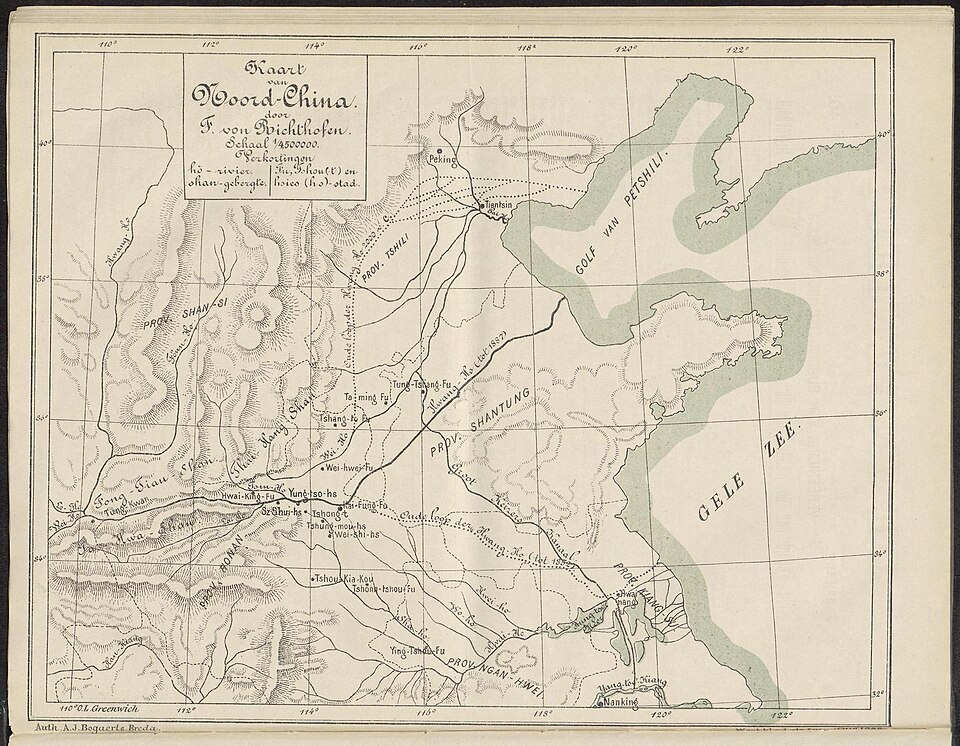
A catastrophic levee breach that inundated densely settled land and produced enormous losses through drowning, hunger and disease. Sediment accumulation and embankment construction helped raise sections of the Yellow River above surrounding land. The defences protected settlements during ordinary flows but created severe danger if they failed.
Background
A river held above the plain
Sediment accumulation and embankment construction helped raise sections of the Yellow River above surrounding land. The defences protected settlements during ordinary flows but created severe danger if they failed. Maintaining them required resources and coordination across a large, heavily populated region.[1]
What happened
- September 1887
The embankments fail
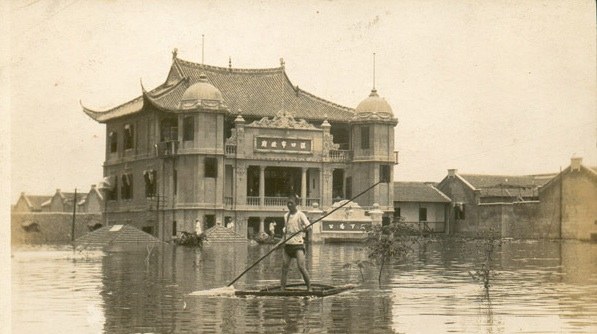
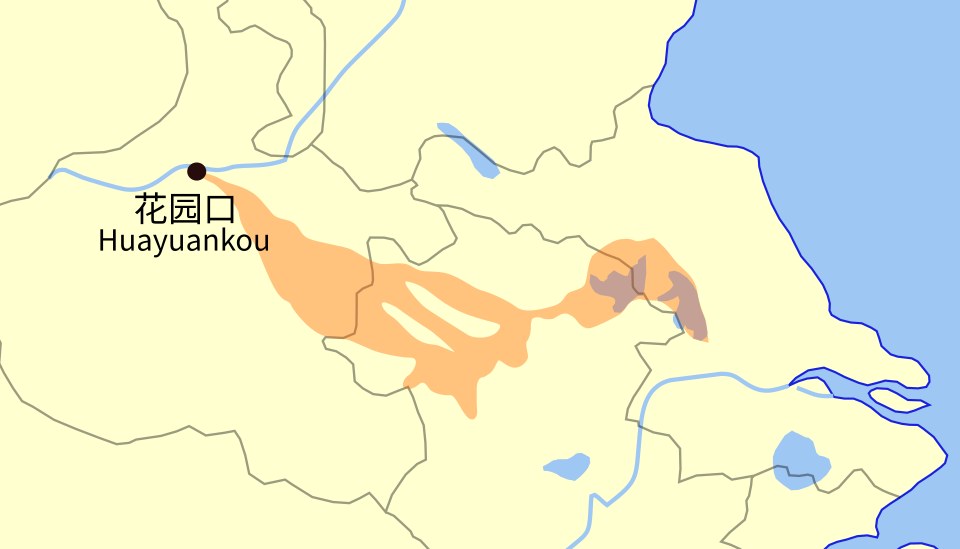
Heavy water levels culminated in a breach near Zhengzhou. Water spread across the low-lying plain, overwhelming communities with little opportunity to escape. The inundation affected homes and fields together, removing shelter and the means of subsistence at the same time.[1]
- After the initial flood
A prolonged survival crisis
Displaced people needed food, drinking water and places to live. Lost harvests and livestock extended the emergency beyond the initial drowning deaths. Relief faced the difficulties of damaged transport, the extent of the flooded area and the number of people requiring assistance.[1]
Impact & evidence
Hundreds of thousands to millions
Published compilations commonly give roughly 900,000 to two million deaths. These estimates are not a verified count and may include subsequent famine and disease. Differences in geographical coverage and attribution make precise comparisons with later Chinese floods unreliable.[2]
Aftermath & legacy
The limits of embankments alone
The catastrophe illustrates the danger of relying on flood barriers without considering what happens when they fail. It also shows why historic disaster numbers require explanation. The scale of human suffering is clear even where the evidence cannot support an exact total or a definitive global ranking.[1]
Sources & image credits (2)
ir. M.J. van de Bosse · Public domain (source record). Resized for display. Image source ↗