Deliberate flooding of the Yellow River
The deliberate destruction of river defences to impede Japan's invasion, with catastrophic consequences for civilians.
- When
- 1938–1947
- Where
- Henan, Anhui and Jiangsu, China
The deliberate destruction of river defences to impede Japan's invasion, with catastrophic consequences for civilians. As Japanese forces advanced into China, the Nationalist government sought ways to obstruct their movement. The Yellow River's embankments held water above inhabited plains.
Background
War reaches the river system
As Japanese forces advanced into China, the Nationalist government sought ways to obstruct their movement. The Yellow River's embankments held water above inhabited plains. Breaking them would turn an engineered landscape into a military barrier, exposing civilians to consequences they had not chosen.[1]
What happened
- June 1938
Nationalist forces breach the dikes
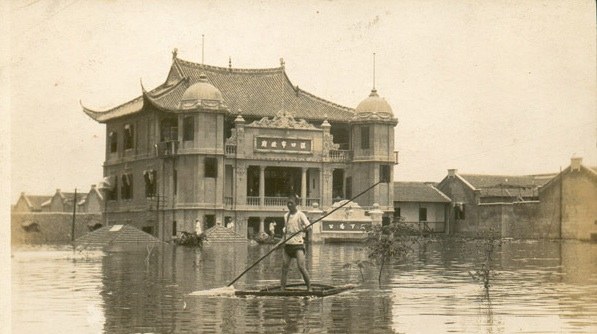
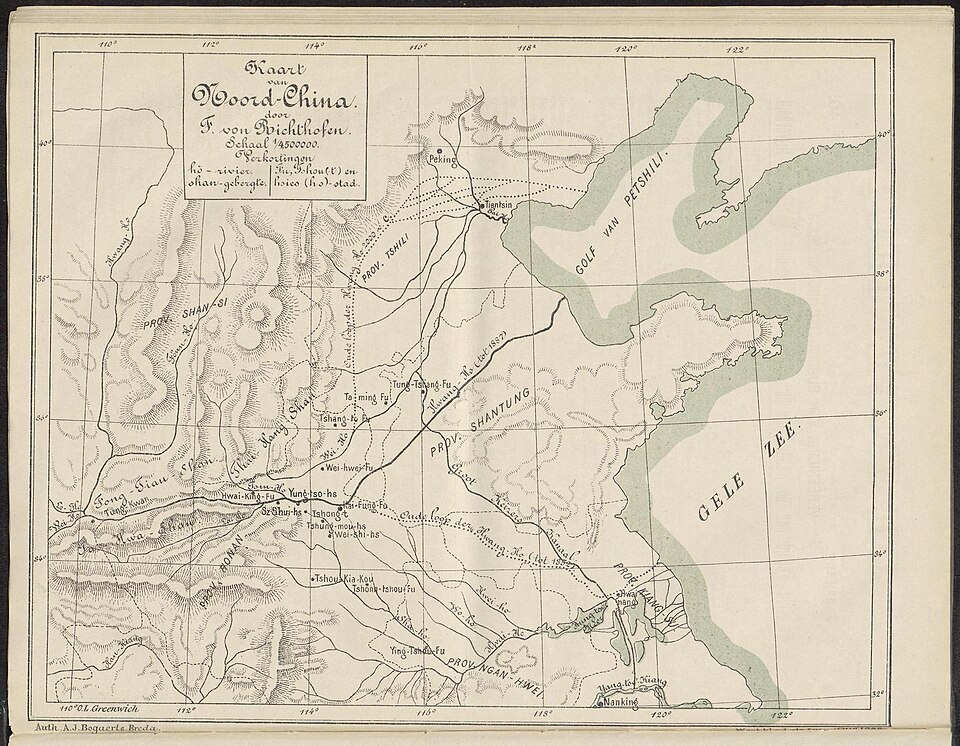
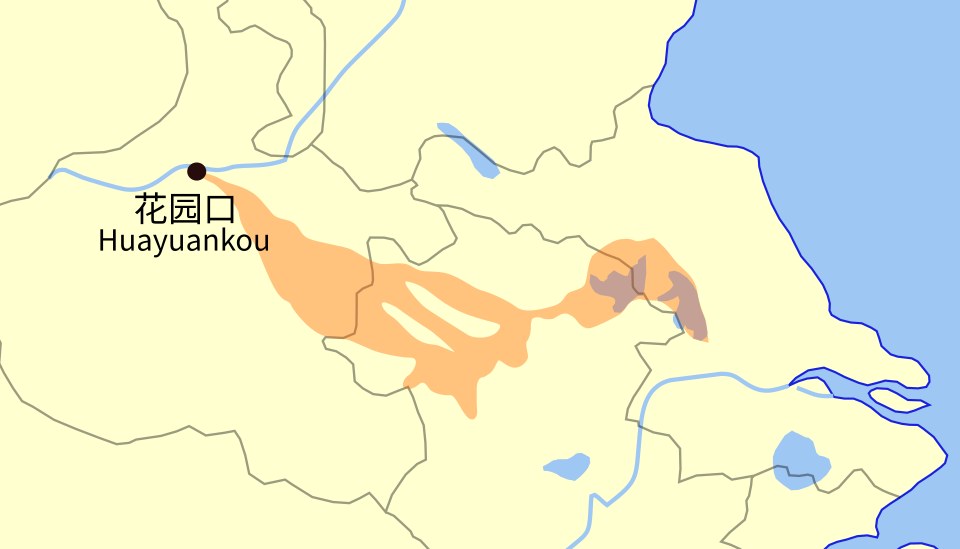
Chinese Nationalist troops destroyed the embankment at Huayuankou. Water poured into a new course and spread through populated areas. The decision was made for military purposes, so this was not simply a natural flood caused by unusually heavy rain.[1]
- 1938–1947
A changed river prolongs the disaster
Inundation, sediment and damaged water-control infrastructure disrupted farming and settlement for years. Millions were displaced. Restoring the river's previous course was delayed by war and political conflict, extending the effects beyond the initial military operation.[1]
Impact & evidence
Estimates have different scopes
Historical estimates commonly range from roughly 400,000 to 900,000 deaths, with major uncertainty about direct drowning and later hunger or disease. The military benefit remains debated. A tactical explanation for the breach does not diminish responsibility for foreseeable civilian suffering.[2]
Aftermath & legacy
Environmental destruction as warfare
The river returned to its former course in 1947, but that did not restore lost lives or livelihoods. The case belongs to the history of deliberate wartime harm as well as flooding. It demonstrates how infrastructure can become a weapon when its protective function is intentionally reversed.[1]
Sources & image credits (2)
Stevenliuyi · CC BY-SA 4.0 (source record). Resized for display. Image source ↗