China floods of 1998
Major river flooding that killed thousands and prompted renewed scrutiny of land use and flood protection.
- When
- June–September 1998
- Where
- Yangtze, Songhua and Nen river regions, China
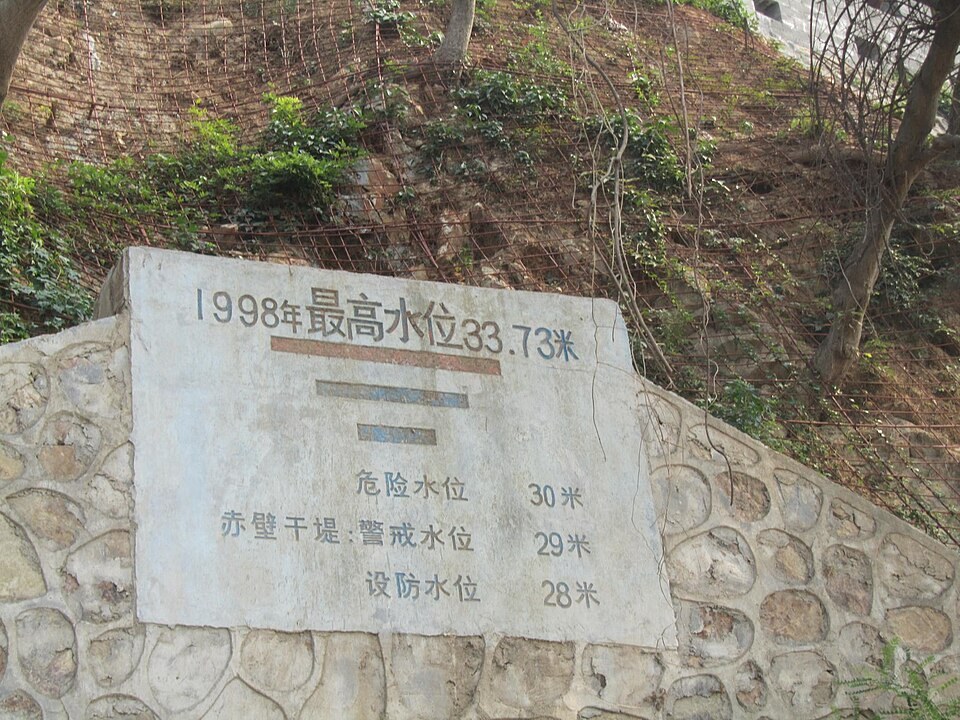
Major river flooding that killed thousands and prompted renewed scrutiny of land use and flood protection. Intense seasonal rainfall affected several river basins. Settlement, embankments and conversion of lakes and wetlands had changed where water could spread.
Background
Heavy rain meets altered floodplains
Intense seasonal rainfall affected several river basins. Settlement, embankments and conversion of lakes and wetlands had changed where water could spread. These landscape changes did not cause the rainfall, but influenced exposure and the capacity to accommodate unusually high flows.[1]
What happened
- Summer 1998
Repeated flood peaks
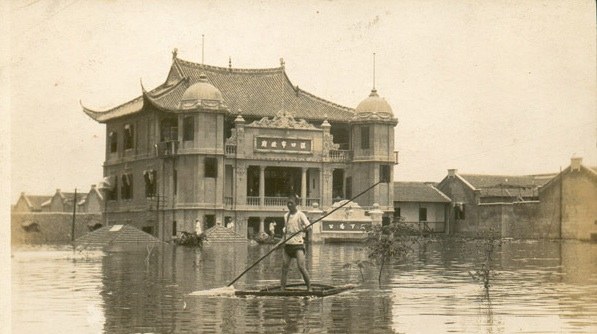
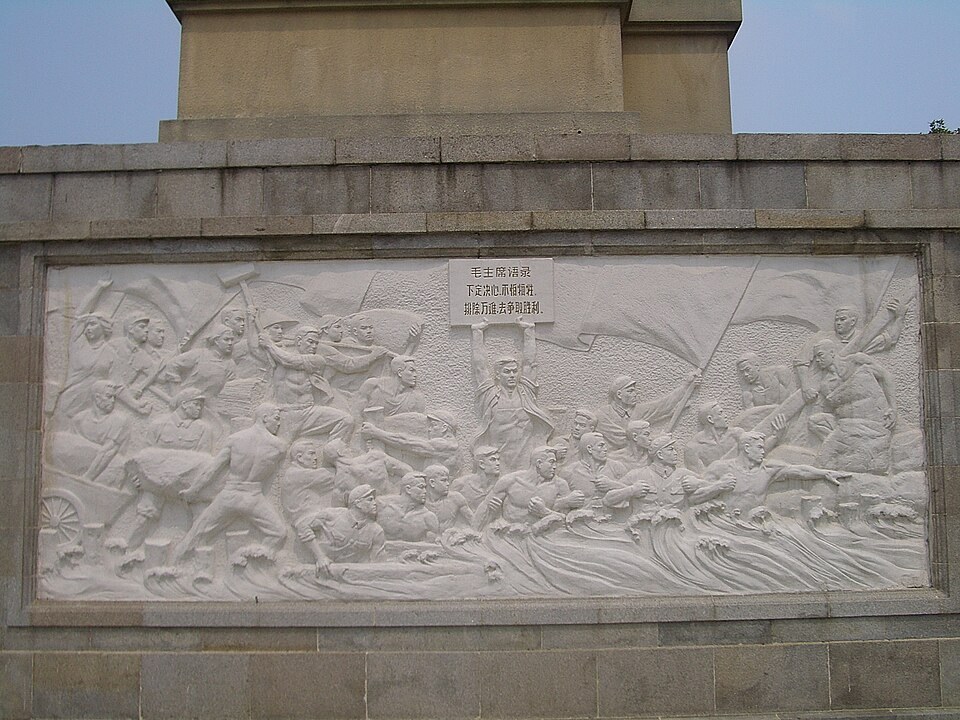
The Yangtze basin experienced severe flooding while northeastern rivers also rose. Communities and military units worked to strengthen dikes, evacuate residents and rescue those trapped. Different basins faced different conditions, so the disaster was not one simultaneous breach at a single location.[1]
- After the emergency
Land and forestry policies reconsidered
The floods intensified official attention to deforestation, wetland loss and settlement in flood-prone areas. Policies promoting forest protection and restoring space for water gained momentum. Engineering works remained important, but could no longer be discussed separately from wider land management.[1]
Impact & evidence
Annual and summer totals differ
Official summaries commonly distinguish approximately 3,656 deaths in the summer floods from about 4,150 flood deaths over the whole year. These are different reporting scopes rather than interchangeable totals. Vast numbers of people also lost homes, crops or income without entering the death count.[2]
Aftermath & legacy
A turning point with difficult tradeoffs
Restoring floodplains and restricting land use could reduce future risk, but also affected livelihoods and required fair support for relocated residents. The event illustrates both the value and limits of emergency mobilisation: long-term safety depends on decisions made before rivers rise.[1]
Sources & image credits (2)
phileole · CC BY 2.0 (source record). Resized for display. Image source ↗