Yangtze River floods of 1954
Prolonged high water forcing emergency flood diversion while tens of thousands died across the affected region.
- When
- June–September 1954
- Where
- Central China
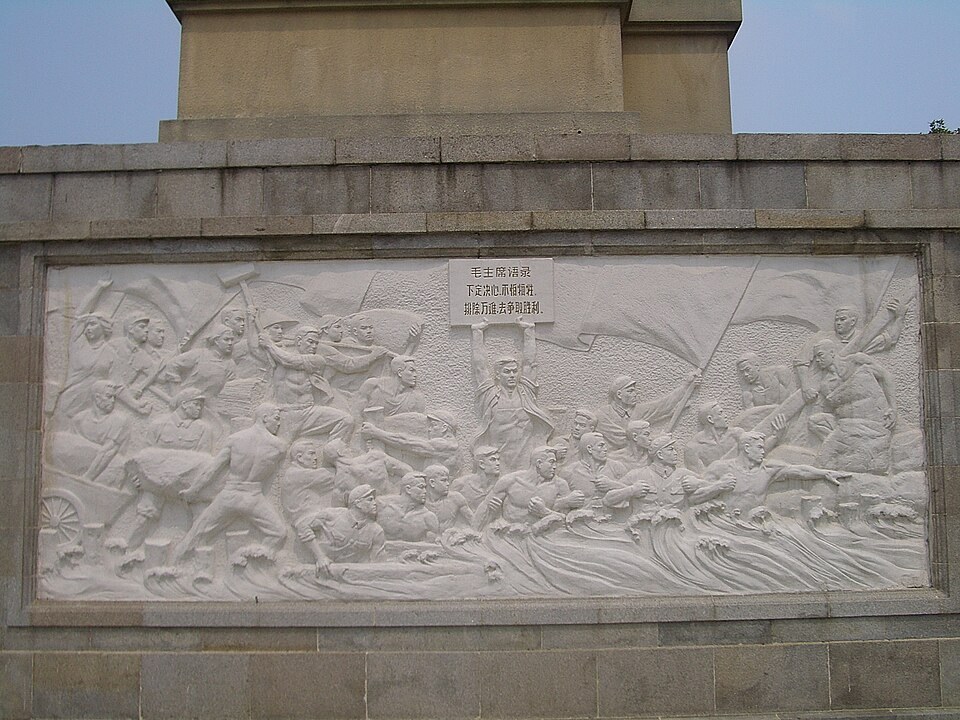
Prolonged high water forcing emergency flood diversion while tens of thousands died across the affected region. Exceptional rainfall across the Yangtze basin raised rivers and lakes over an extended period. Flood management involved embankments, diversion areas and decisions about which land could be inundated to reduce pressure elsewhere.
Background
An extended rainy season
Exceptional rainfall across the Yangtze basin raised rivers and lakes over an extended period. Flood management involved embankments, diversion areas and decisions about which land could be inundated to reduce pressure elsewhere. These choices distributed danger unevenly between protected cities and rural communities.[1]
What happened
- Summer 1954
Water levels keep rising
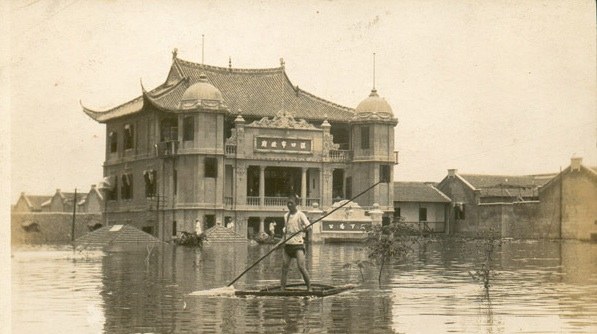
Floods spread through Hubei and neighbouring areas. Authorities mobilised large numbers of people to reinforce defences and opened flood-diversion structures. Despite those efforts, exceptionally high levels threatened settlements and damaged farmland, housing and transport.[1]
- The emergency continues
Protection and sacrifice
Holding key defences required sustained work rather than a single rescue operation. Diversion reduced pressure at some locations while exposing other areas to water. Evacuation, shelter and food provision were therefore essential parts of the response, not secondary matters after engineering decisions.[1]
Impact & evidence
Including the aftermath
Common historical accounts put mortality at approximately 30,000 to 33,000, including deaths associated with disease after the flood. This should not be presented as an exact count of people drowned. Damage and displacement extended to many more residents.[2]
Aftermath & legacy
A reference point for river management
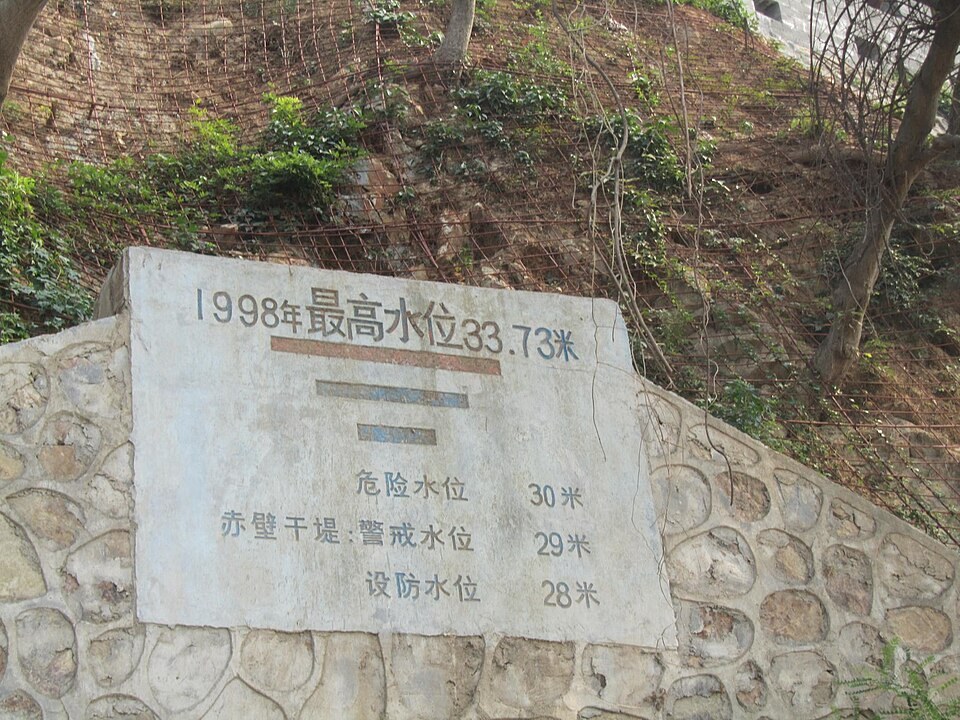
The floods became an important benchmark in later planning and public commemoration. Their history includes both collective efforts to defend settlements and the losses borne by people in inundated areas. Describing successful protection of a major city alone leaves much of the disaster unexplained.[1]
Sources & image credits (2)
Photograph by Vmenkov; monument artists not named in its inscriptions. · CC BY-SA 3.0 (source record). Resized for display. Image source ↗