The Windscale fire
A fire in a weapons-production reactor that released radioactive material over Britain.
- When
- October 1957
- Where
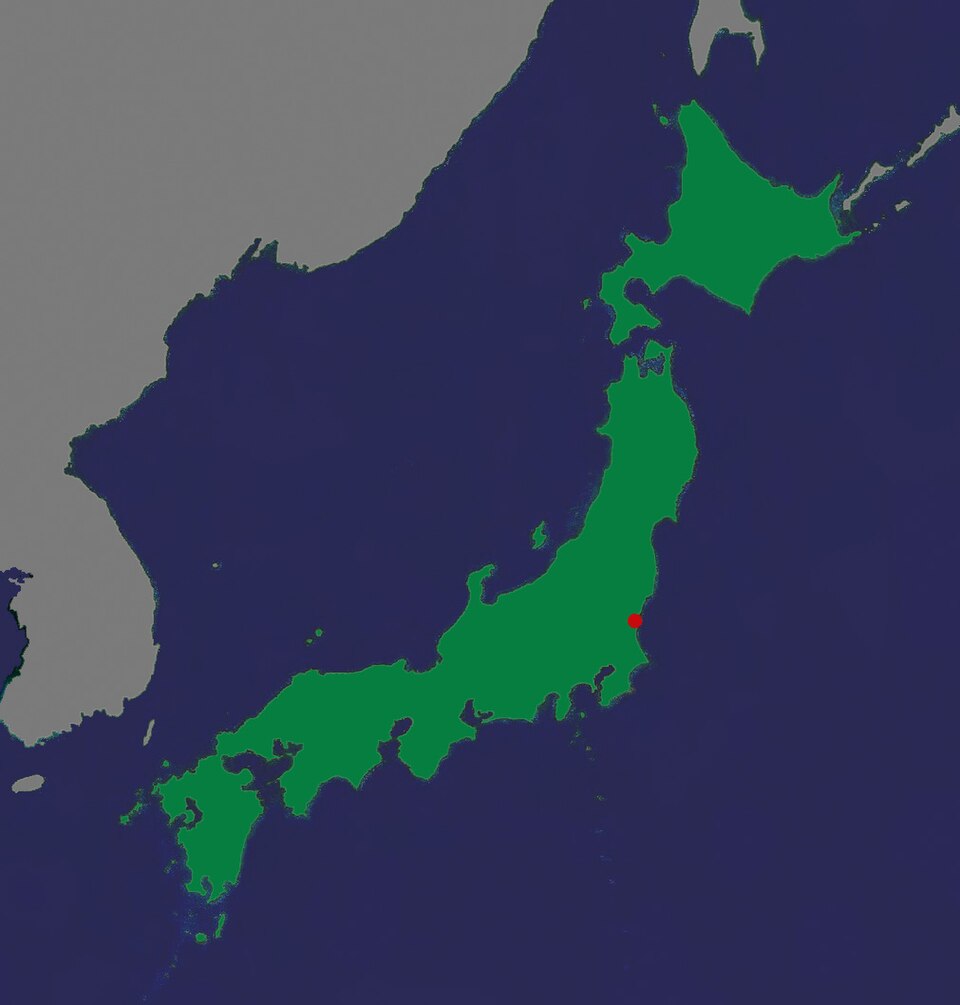
- Cumberland, England, United Kingdom
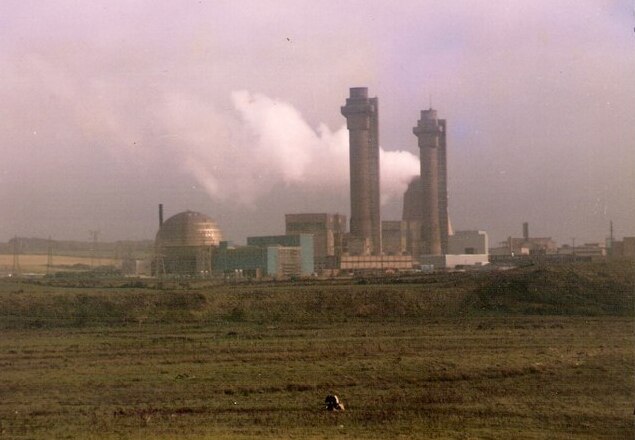
Windscale Pile 1 caught fire in October 1957. The reactor produced material for Britain’s weapons programme. Its radioactive releases prompted restrictions on milk, while the damaged core and its remaining fuel created a decommissioning problem that continued long after the fire.
Background
A reactor built for the weapons programme
The Windscale piles were graphite-moderated, air-cooled reactors built to produce plutonium. Air passed through the core and left through tall chimneys. This differed from a commercial electricity-generating station and placed the fire within the history of Britain’s rapid post-war weapons development.[1]
What happened
- October 1957
Fire in Pile 1
Fuel in the reactor caught fire and radioactive material entered the ventilation stream. The response had to bring the fire under control while limiting further release. Both piles were subsequently shut down.[1]
- October–November 1957
Milk becomes a concern
Radioactive iodine could reach people through contaminated milk. Restrictions on local milk supplies formed part of the response. Parliamentary debate addressed the accident and official assessments of the danger; those contemporary assurances should be read as statements made at the time.[2]
Impact & evidence
Different kinds of evidence
Milk controls demonstrate a recognised exposure pathway. They do not provide a direct count of deaths. Estimates of later radiation-related mortality depend on reconstructed releases, doses and risk models; a single exact death toll would conceal that uncertainty.[2]
Aftermath & legacy
Fuel remained trapped
The damaged reactor could not simply be emptied and dismantled. Some fuel remained in inaccessible channels, requiring prolonged care and specialised retrieval plans. This continuing legacy shows the difference between extinguishing a fire and removing the hazards it leaves behind.[1]
Sources & image credits (2)
Chris Eaton; CC BY-SA 2.0 Image source ↗