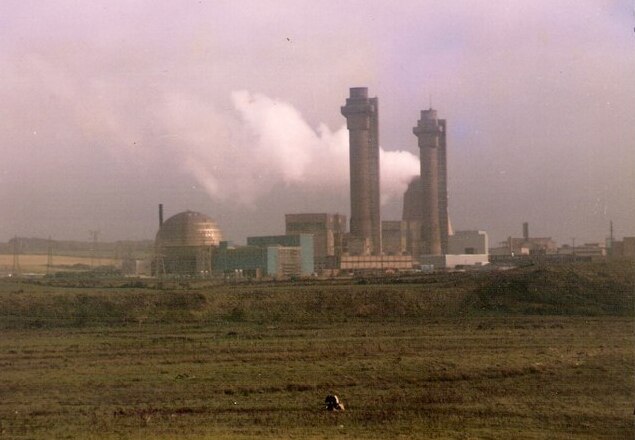
The Tokaimura criticality accident
An uncontrolled chain reaction during fuel processing that fatally exposed two workers.
- When
- 30 September 1999
- Where
- Tōkai, Ibaraki Prefecture, Japan
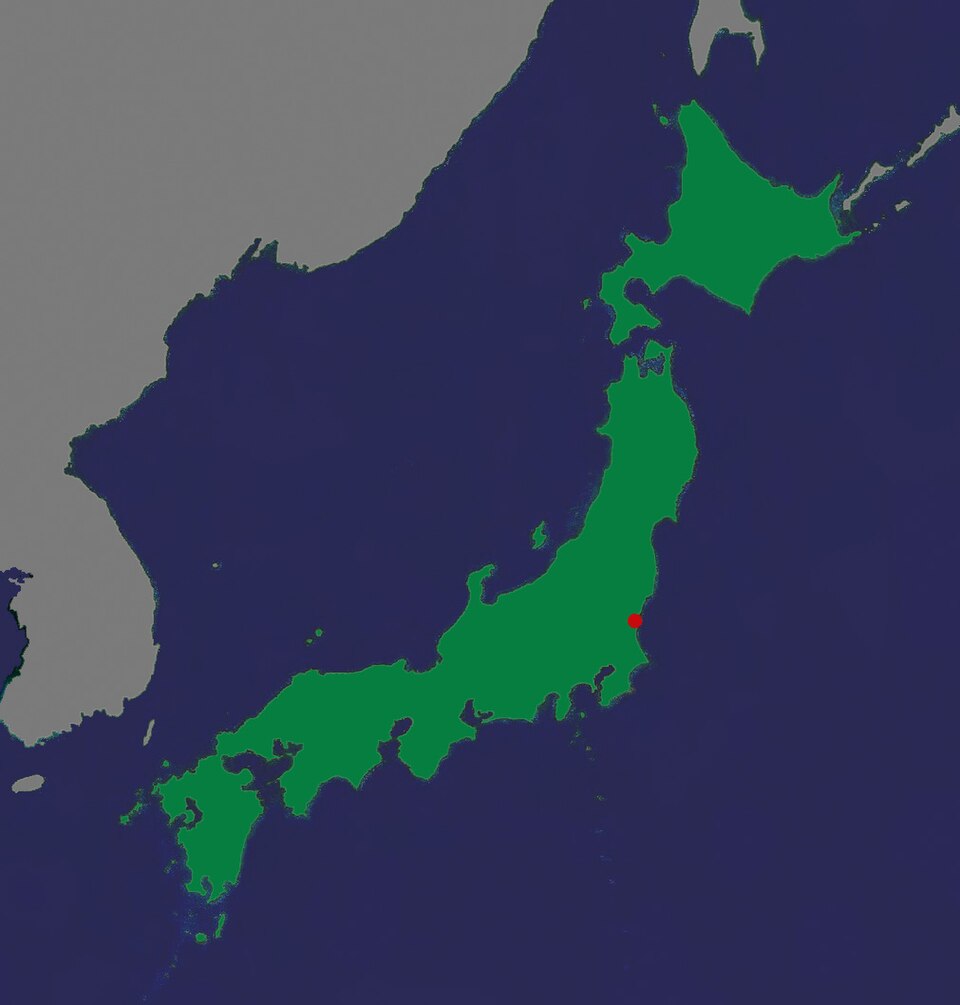
Workers at a JCO uranium-processing facility introduced too much uranium solution into an unsuitable vessel. A self-sustaining chain reaction began. Three workers received severe exposure and two subsequently died. The accident occurred in a fuel-processing plant, not at the nearby nuclear power station.
Background
Processing required strict limits
The facility handled enriched uranium solution. Safe processing depended on controls over quantity and the shape of vessels, so that material could not sustain an unintended chain reaction. Work practices bypassed essential safeguards. This connected the immediate handling error to failures in procedures, training and supervision.[1]
What happened
- 30 September 1999
Criticality begins
Workers transferred solution using buckets into a precipitation tank. The quantity and vessel arrangement allowed criticality, exposing people nearby to intense radiation. The water surrounding the tank helped sustain the reaction by reflecting neutrons.[2]
- Following response
The reaction is stopped
Responders had to intervene around a dangerous radiation field and alter conditions sustaining the reaction. Protective measures for the surrounding population accompanied the technical effort. The event demonstrated the need to plan for a criticality emergency even at a facility without a power reactor.[1]
Impact & evidence
Three severely exposed workers
Two of the three most heavily exposed workers died after prolonged treatment. IAEA lessons record deaths 83 and 211 days after the accident. These fatalities were consequences of intense occupational exposure; they should not be confused with a claim of widespread fatal exposure among residents.[3]
Aftermath & legacy
Safeguards must survive routine work
The accident revealed how unauthorised practices can become normalised when oversight and training are inadequate. Safety depended on a production system that prevented dangerous accumulation, not simply on workers remembering a warning. Its lessons concern industrial organisation as well as nuclear physics.[2]
Sources & image credits (3)
- IAEA — Preliminary fact-finding mission ↗
- IAEA — Criticality accidents, technical account ↗
- IAEA — Lessons from emergency response ↗
Greg A L; CC BY-SA 3.0 Image source ↗