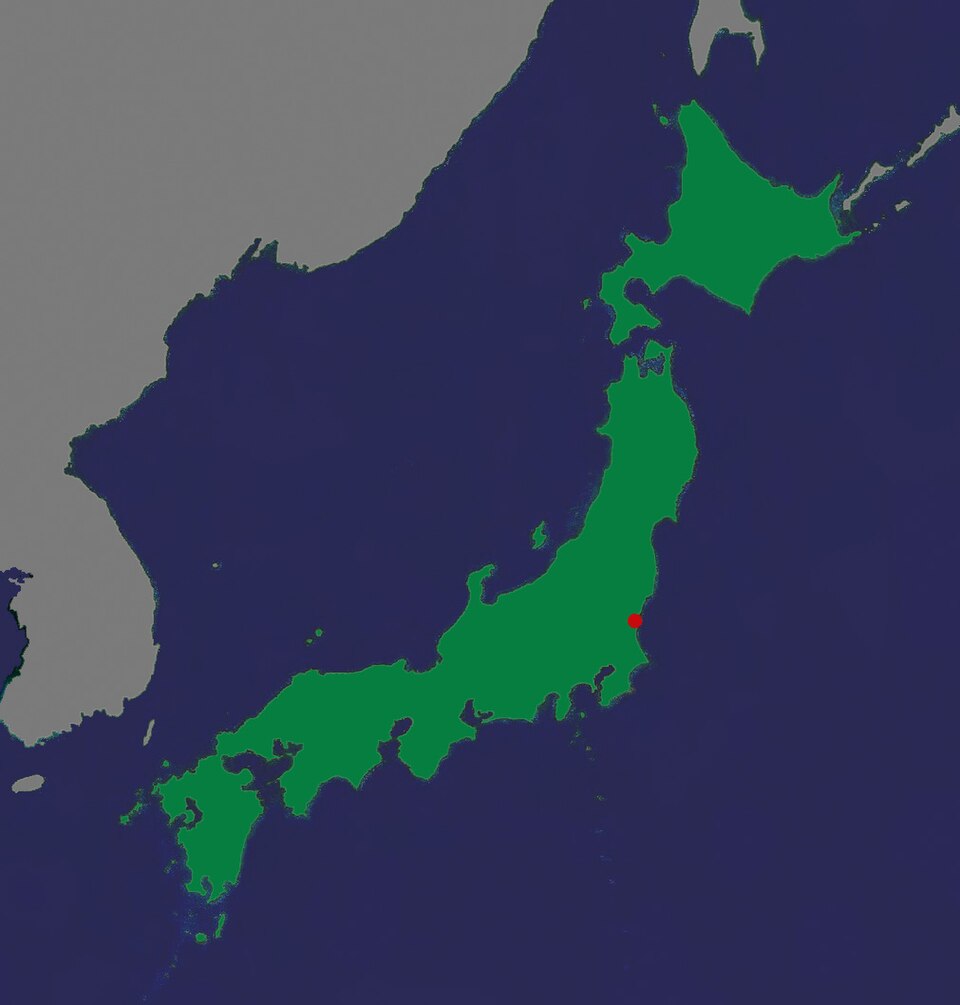
The Fukushima Daiichi disaster
Earthquake and tsunami damage that led to three reactor meltdowns and extensive evacuation.
- When
- 11 March 2011 and its aftermath
- Where
- Fukushima Prefecture, Japan
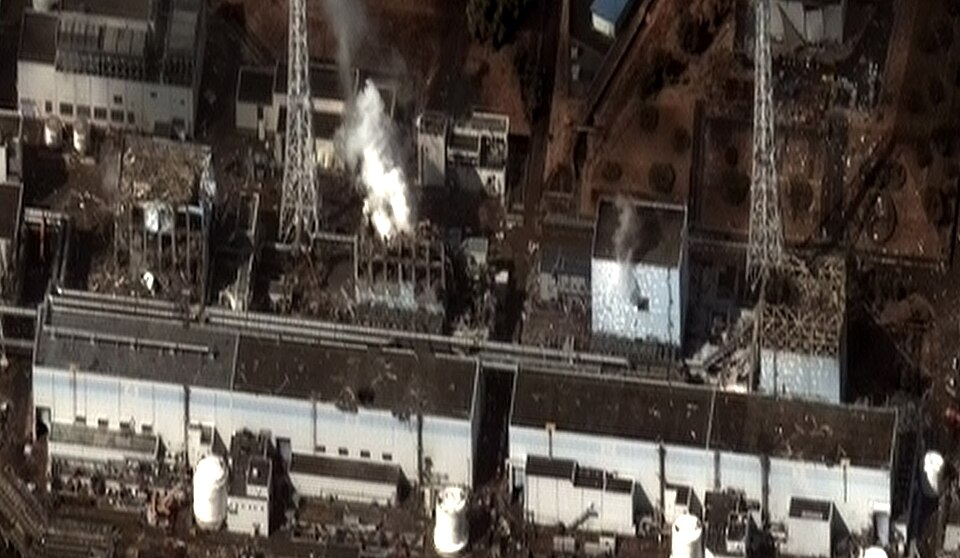
The 2011 earthquake and tsunami disabled power and cooling at Fukushima Daiichi. Fuel in three reactors overheated and melted, and hydrogen explosions damaged buildings. The accident caused radioactive releases, prolonged displacement and a complex cleanup distinct from the wider tsunami catastrophe.
Background
Shutdown did not remove the need for cooling
A reactor continues producing heat after its chain reaction stops. Fukushima’s operating units shut down during the earthquake, but cooling still required dependable power and functioning equipment. The tsunami disabled multiple protective systems together, turning an external natural disaster into a severe nuclear accident.[1]
What happened
- 11 March 2011
Power and cooling are lost
The earthquake disrupted the electricity supply. The subsequent tsunami flooded crucial equipment and disabled emergency power at the site. Operators faced damaged infrastructure and limited information while trying to restore cooling.[1]
- Following days
Core damage and releases
Fuel in Units 1, 2 and 3 melted. Hydrogen generated during the accident caused explosions in reactor buildings, and radioactive material escaped. Evacuation orders moved residents away from affected areas as authorities responded to changing information.[1]
Impact & evidence
Radiation and wider harm
UNSCEAR’s 2020/2021 assessment found no adverse health effects among residents documented as directly attributable to radiation exposure from the accident, and judged future radiation-related increases unlikely to be detectable. This finding does not mean the disaster caused no harm: evacuation, disrupted care, lost livelihoods and psychological distress were substantial consequences.[2]
Keep the casualty categories separate
The earthquake and tsunami killed many thousands across the region. Those deaths should not be reported as radiation deaths from Fukushima. Equally, restricting the account to radiation outcomes would omit the serious effects of displacement and upheaval.[2]
Aftermath & legacy
A long recovery
Stabilising the reactors was followed by work to manage damaged fuel, contaminated water and waste. The accident prompted renewed scrutiny of extreme hazards and the risk of losing several safety systems at once. For displaced communities, technical progress and the possibility of returning home were separate questions.[1]
Sources & image credits (2)
Digital Globe; CC BY-SA 3.0 Image source ↗