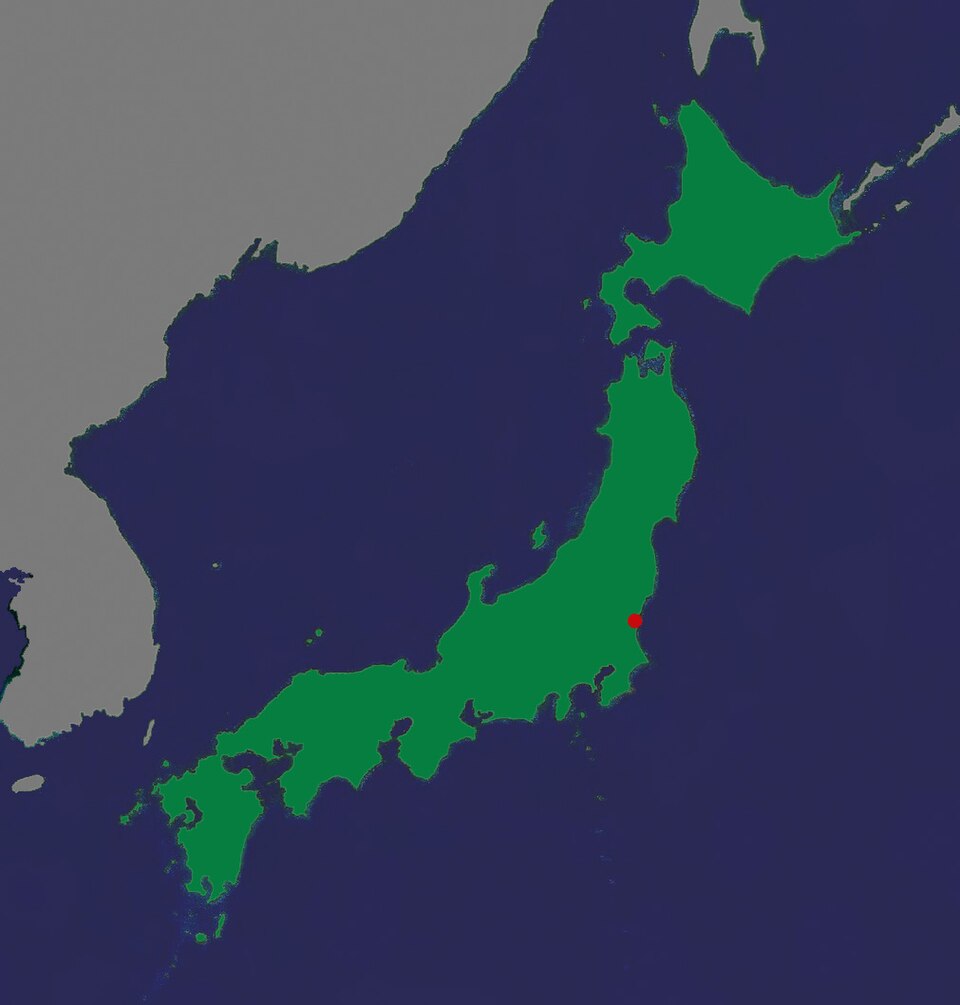
The Three Mile Island accident
A partial reactor meltdown that exposed weaknesses in plant controls and emergency communication.
- When
- 28 March 1979
- Where
- Pennsylvania, United States
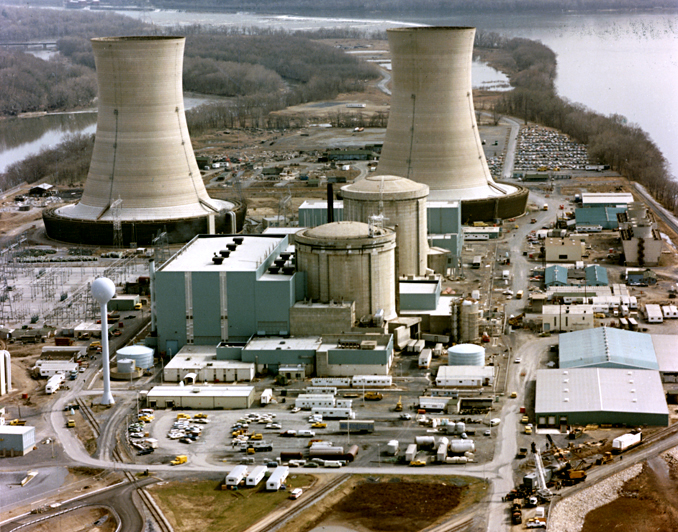
A cooling-system failure at Three Mile Island Unit 2 escalated into a partial core meltdown. Misleading indications and operator responses complicated the emergency. The US Nuclear Regulatory Commission reports no detectable health effects from the small radioactive releases, while the accident profoundly affected nuclear regulation and public confidence.
Background
Operators could not see the problem clearly
The emergency developed through the interaction of equipment, instruments and human decisions. A relief valve stuck open, allowing coolant to escape, while indications did not clearly communicate the valve’s actual position. Operators struggled to recognise that the core was losing the cooling it needed.[1]
What happened
- 28 March 1979
A cooling failure escalates
Following a failure in the plant’s secondary system, the reactor shut down. A stuck-open valve then caused loss of coolant. Misinterpretation of the conditions delayed an effective response, and part of the fuel melted.[1]
- 1979 onward
Investigation and cleanup
The damaged reactor required a lengthy programme of examination and cleanup. Investigations examined control-room design, training and the organisation of emergency response. Preserving the technical record became important for preventing similar failures.[2]
Impact & evidence
Damage inside the plant, limited release outside
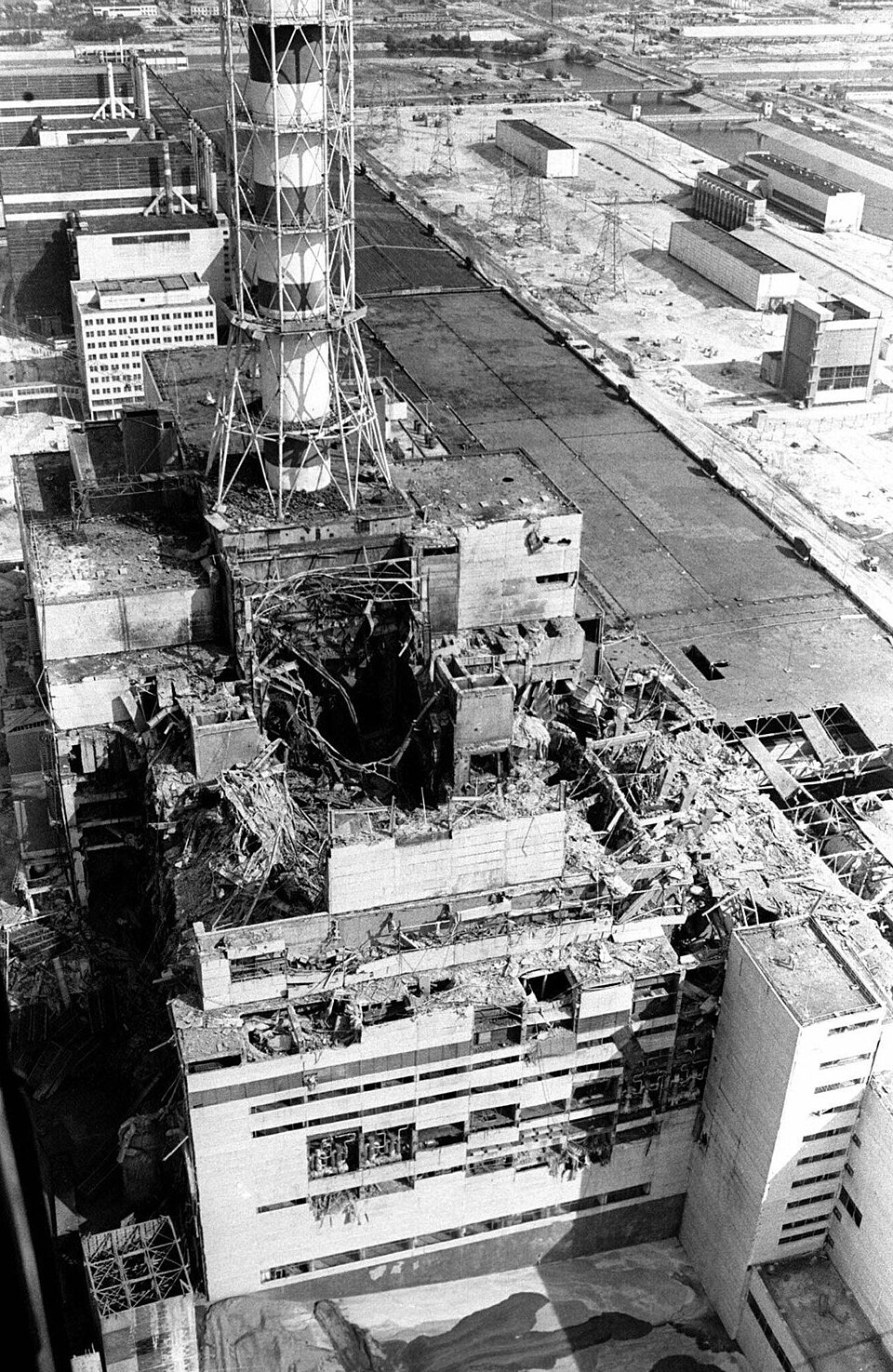
The NRC describes the event as the most serious accident in US commercial nuclear power history, but reports no detectable health effects among workers or the public from its radioactive releases. A major accident inside a reactor does not imply the same off-site consequences as Chernobyl.[1]
Aftermath & legacy
Human factors became a safety issue
The aftermath helped change approaches to operator training and emergency response. The difficulty of interpreting multiple alarms showed that safety depended on usable information as well as functioning machinery. Public uncertainty during the crisis also made communication an enduring part of the accident’s legacy.[2]
Sources & image credits (2)
United States Department of Energy; Public domain Image source ↗