United States Emancipation Proclamation
A wartime proclamation made emancipation a declared Union objective.
- When
- 1 January 1863
- Where
- United States during the Civil War
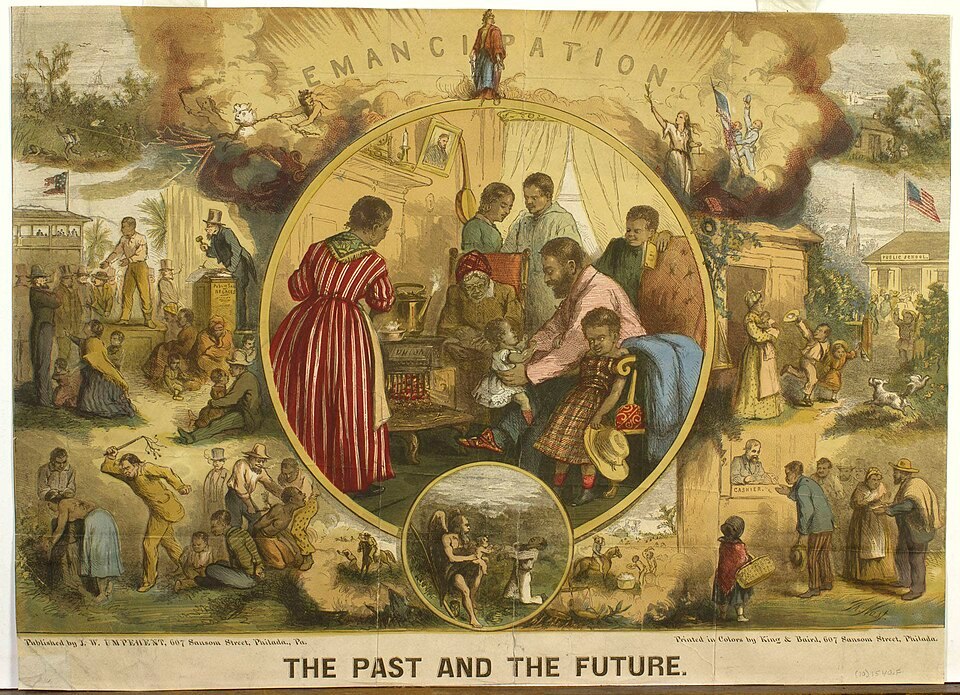
A wartime proclamation made emancipation a declared Union objective.
Background
Enslaved people were already seeking freedom
People escaping to Union lines forced slavery into military and political decision-making. Abraham Lincoln’s preliminary proclamation in September 1862 announced the measure that would follow if rebellious states did not return to the Union.[1]
What happened
- 1 January 1863
Freedom declared in areas of rebellion
The proclamation applied to designated Confederate territory. It did not immediately free every enslaved person in the country and excluded loyal slave states and some occupied areas.[2]
Impact & evidence
Military change
Freedom became increasingly enforceable as Union forces advanced and people escaped Confederate control. The proclamation also authorised the enlistment of Black men, who contributed directly to the defeat of slavery’s defenders.[2]
Black enlistment strengthened emancipation
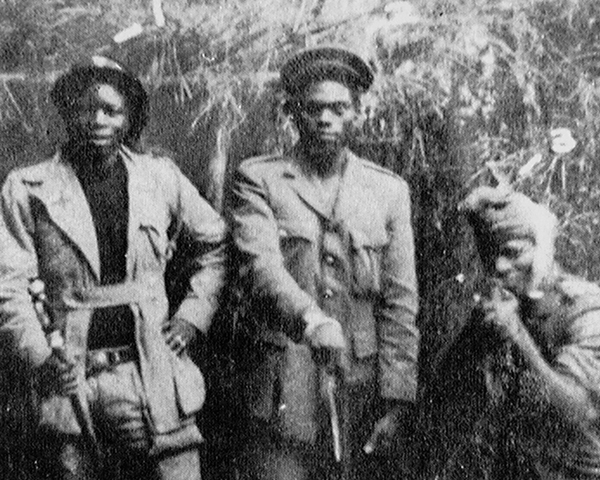
The proclamation explicitly opened military service to Black men. Nearly 200,000 Black soldiers and sailors eventually served the Union, bringing emancipation into the struggle for military victory. Their service combined a demand for freedom with a claim to citizenship, even while discrimination persisted within and beyond the armed forces.[2]
Aftermath & legacy
A constitutional end followed
The Thirteenth Amendment supplied the nationwide constitutional abolition that the wartime proclamation did not. The amendment extended abolition beyond the proclamation’s wartime territorial limits. Freedom still required struggles over citizenship, labour and protection from violence.[2]
Sources & image credits (2)
Thomas Nast · No restrictions Image source ↗