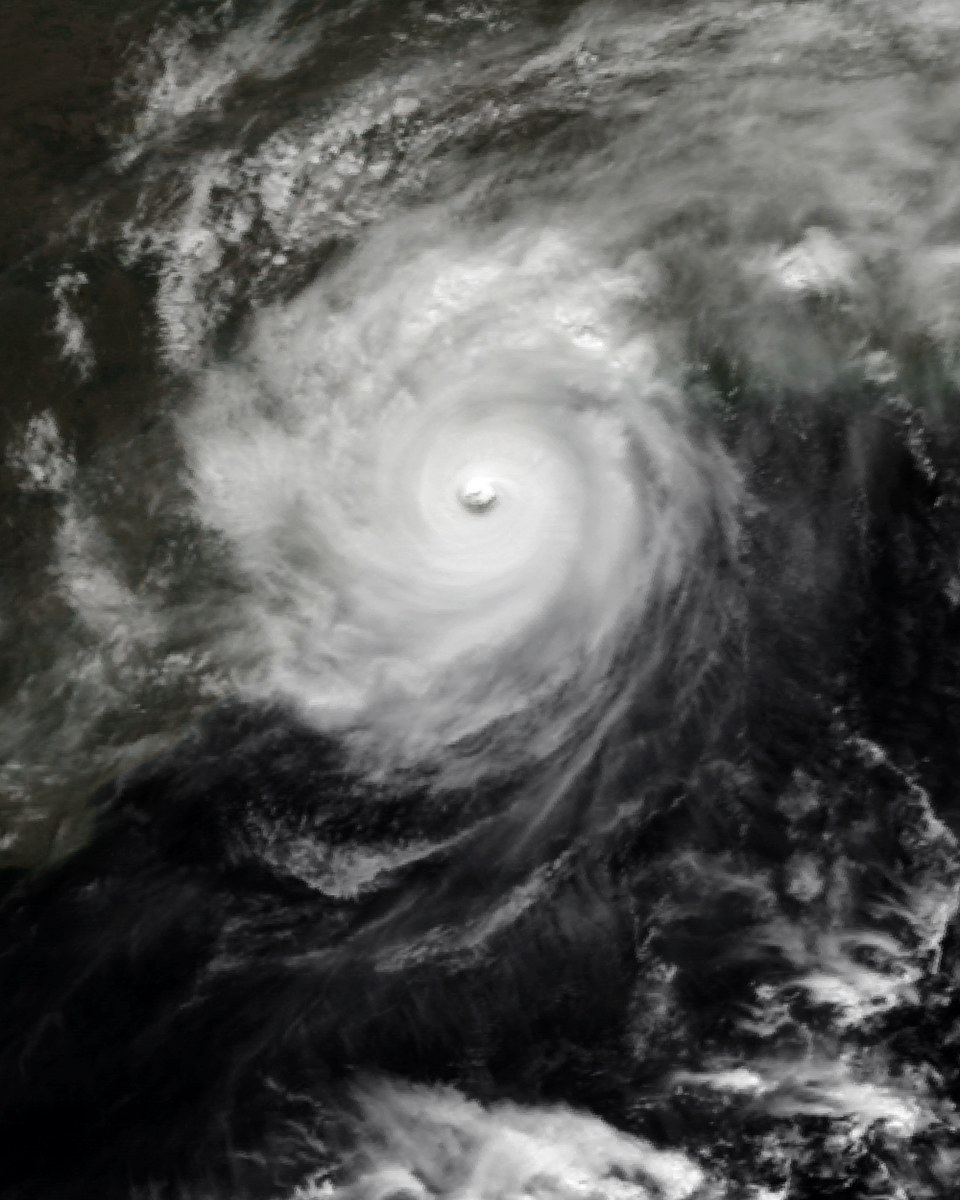
Typhoon Haiyan in the Philippines
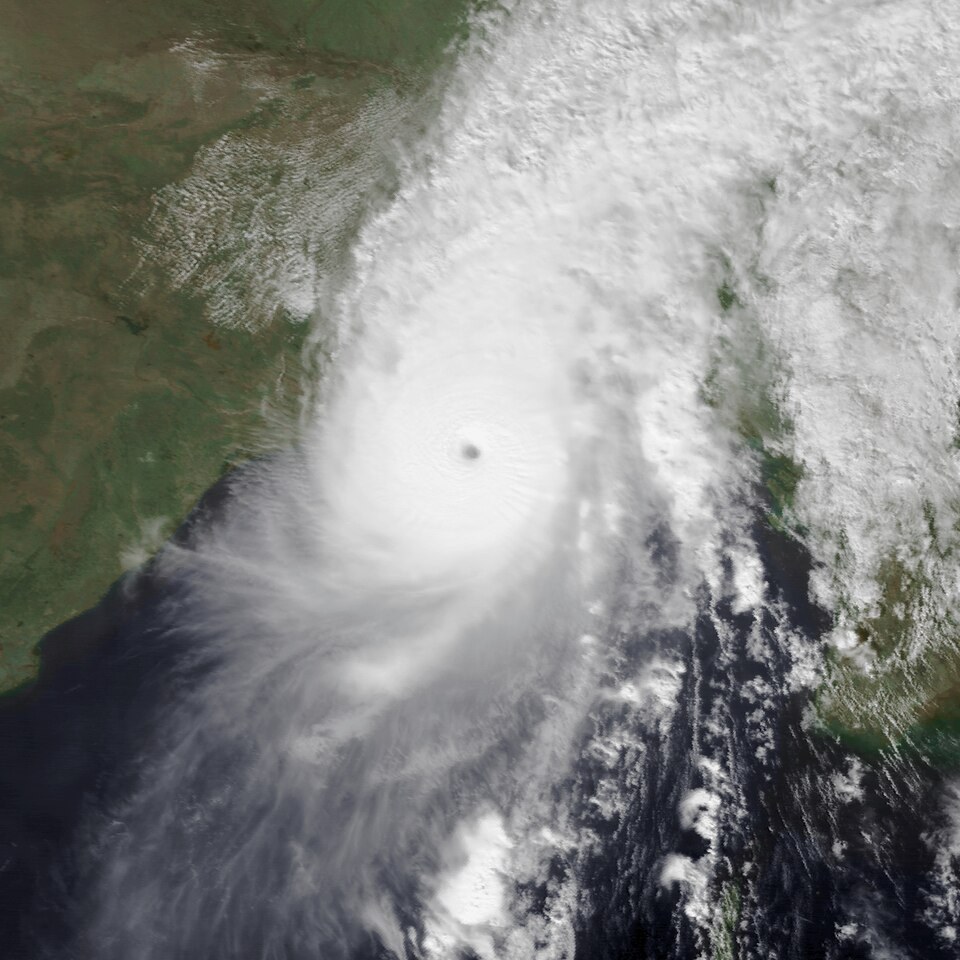
Typhoon Haiyan, known locally as Yolanda, brought devastating winds and storm surge to the central Philippines.
- When
- 8 November 2013
- Where
- Central Philippines
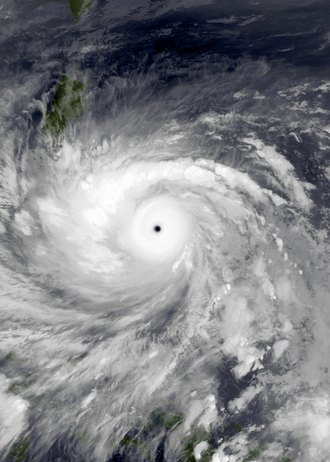
Typhoon Haiyan, known locally as Yolanda, brought devastating winds and storm surge to the central Philippines.
Background
Coastal exposure
Communities faced both extreme winds and rapidly rising seawater. The storm surge was particularly destructive around Leyte and Samar, where coastal settlements lay in its path. Understanding the warning required recognising that the threat extended beyond wind damage.[1]
What happened
- 8 November 2013
Landfall and devastation
Haiyan struck the Philippines, destroying homes and disrupting services across affected areas. Survivors and local responders worked amid damaged roads, communications and health facilities before a much larger relief operation developed.[2]
Impact & evidence
Thousands killed
The UN humanitarian country team's anniversary statement records more than 6,300 deaths. This count should be distinguished from separate estimates of missing people, displacement and the much larger population affected by loss of homes or livelihoods.[2]
Aftermath & legacy
Recovery and preparedness
Reconstruction continued long after the immediate emergency. The disaster shaped discussions of early warning, evacuation and resilient recovery. Commemoration must include the people who lost relatives and livelihoods, rather than treating the event solely as a meteorological record.[2]
Sources & image credits (2)
NASA, LAADS Web, HDF File processed by Supportstorm Image source ↗