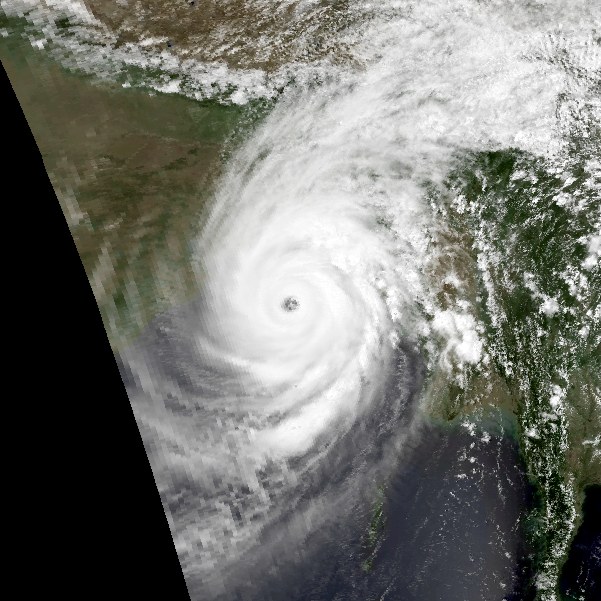
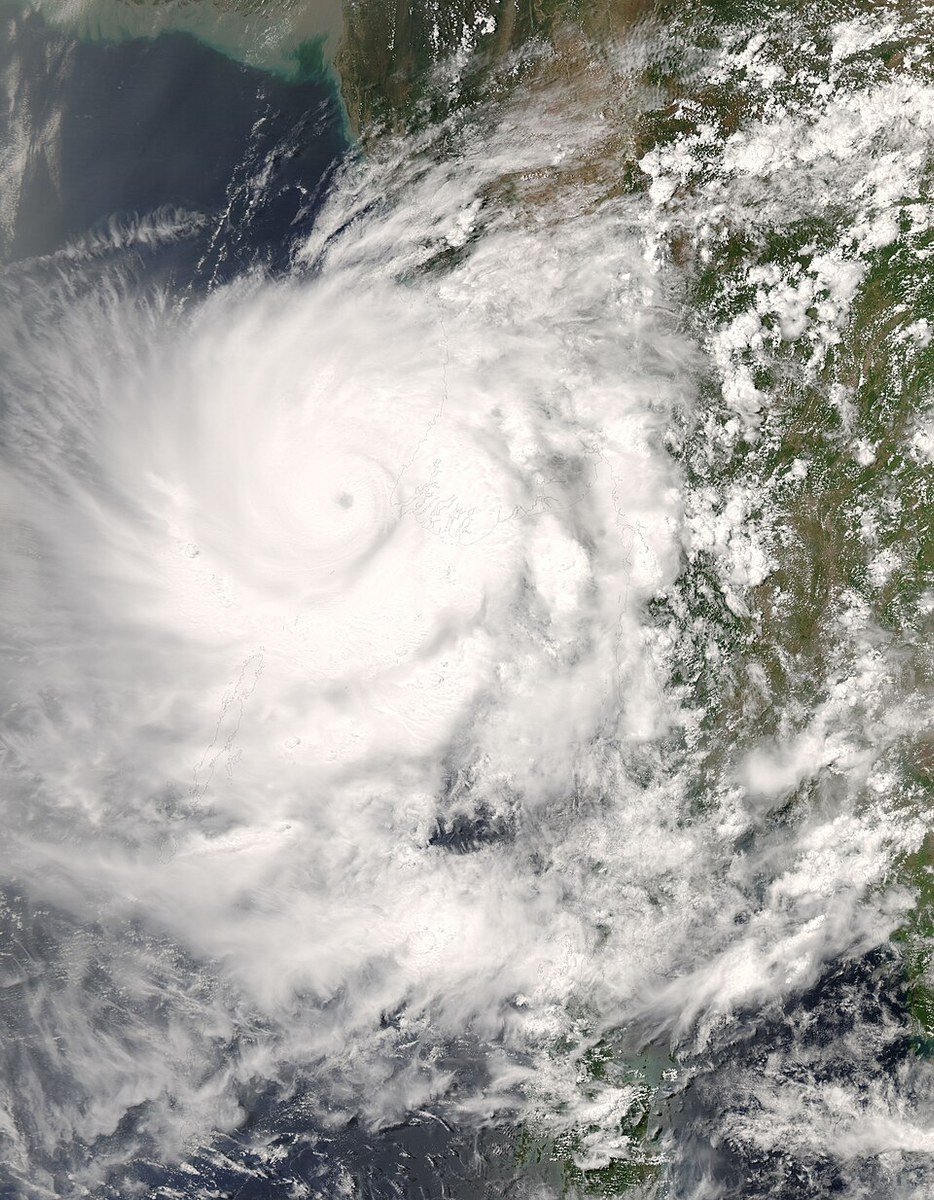
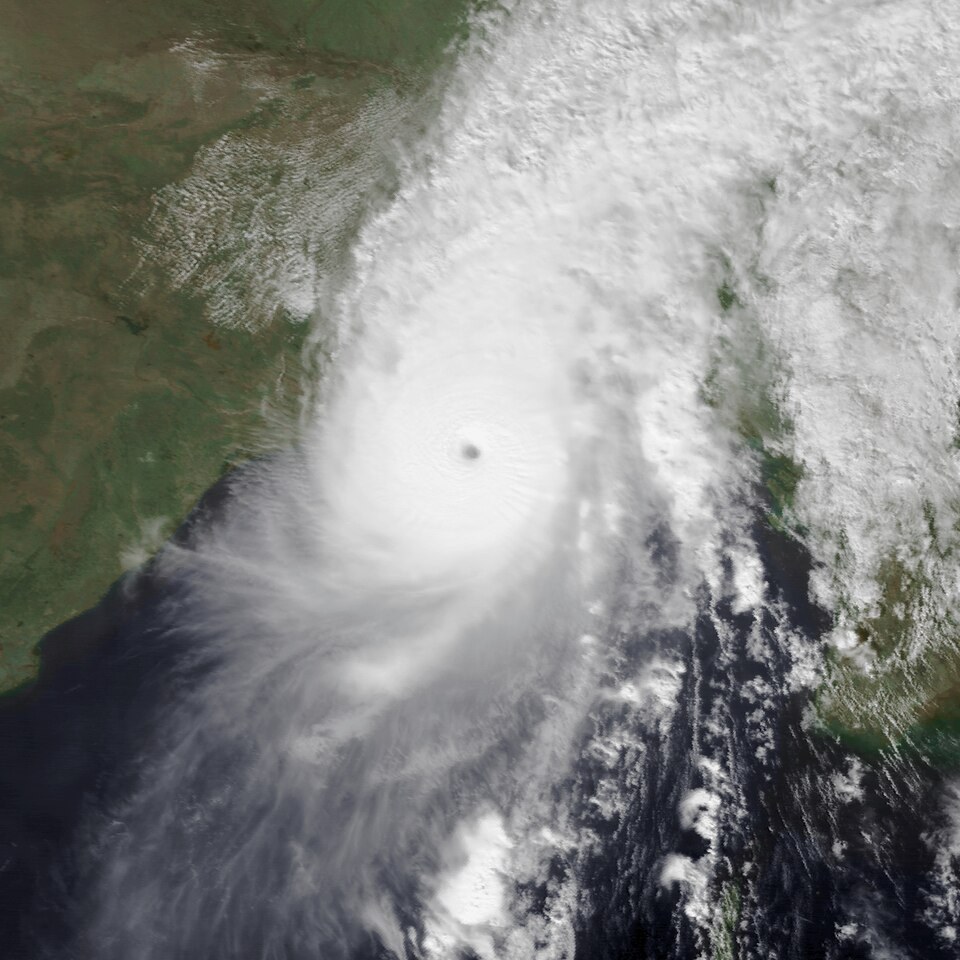
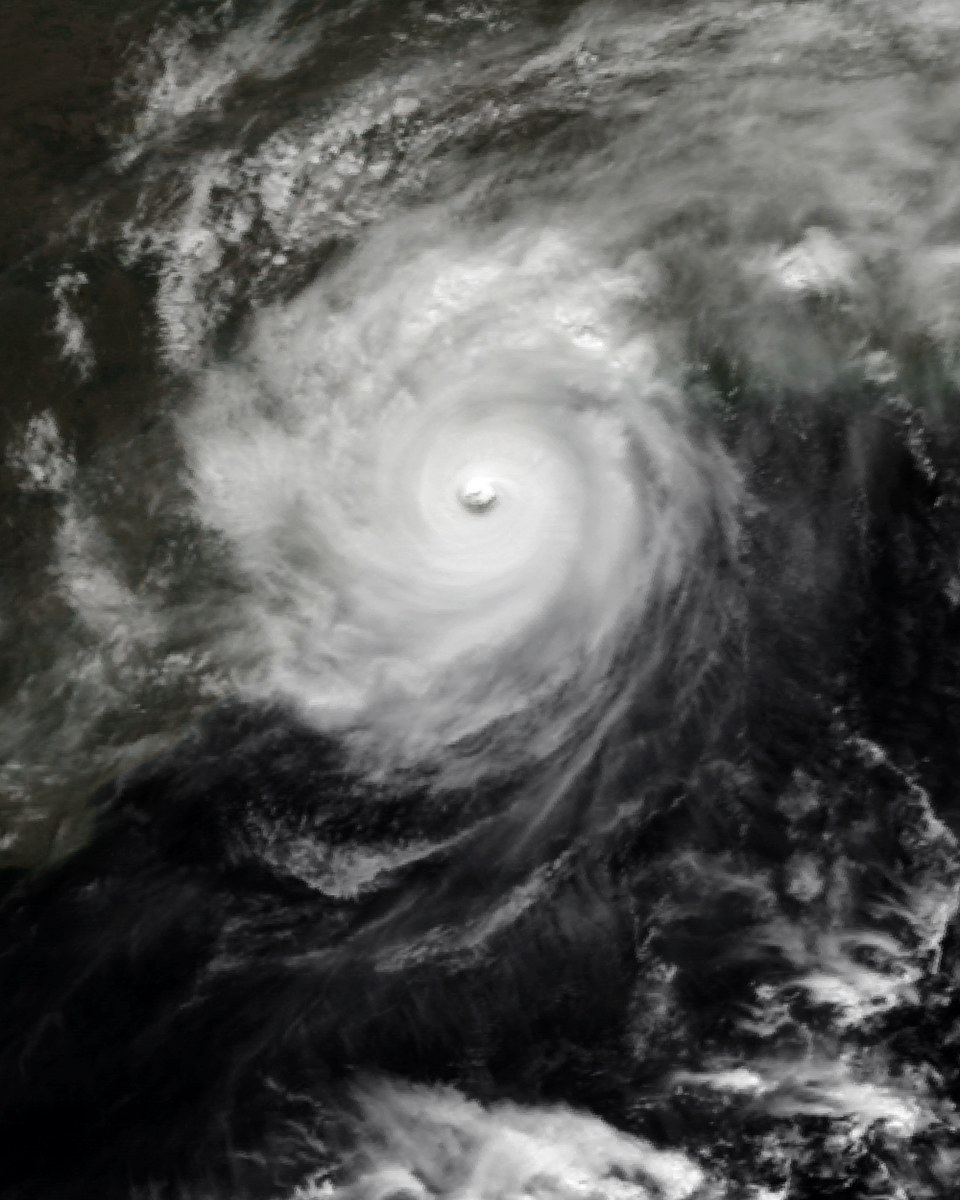
Bhola cyclone
A catastrophic storm surge that killed an estimated 300,000–500,000 people in the Ganges delta.
- When
- 12–13 November 1970
- Where
- East Pakistan, now Bangladesh
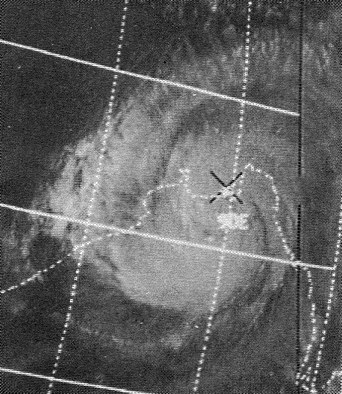
A catastrophic storm surge that killed an estimated 300,000–500,000 people in the Ganges delta. The northern Bay of Bengal can funnel cyclone-driven seawater toward a densely populated delta. Many residents lived on low islands with limited access to substantial shelters or rapid transport.
Background
Low islands in a dangerous bay
The northern Bay of Bengal can funnel cyclone-driven seawater toward a densely populated delta. Many residents lived on low islands with limited access to substantial shelters or rapid transport. Fishing and farming placed livelihoods close to the water, making evacuation both urgent and difficult.[1]
What happened
- 12–13 November 1970
The surge reaches the delta
Cyclone Bhola drove seawater over coastal land and islands. Drowning caused the overwhelming share of deaths. Entire communities lost people, homes, livestock and crops in a short period, while damaged communications made the scale of destruction hard to establish.[1]
- After landfall
Relief becomes a political crisis
Survivors urgently needed food, clean water and medical help. The Pakistani government's response was widely criticised in East Pakistan as inadequate. The disaster deepened existing grievances about political representation and unequal treatment; it formed part of the context of the independence crisis, rather than being its sole cause.[1]
Impact & evidence
A range reflects missing evidence
The World Meteorological Organization identifies Bhola as the deadliest known tropical cyclone and cites losses up to 500,000. Common estimates span 300,000–500,000. These are reconstructed totals, not a complete register of named victims, and should not be presented as an exact count.[2]
Aftermath & legacy
Preparedness becomes a public priority
The catastrophe strengthened international efforts on cyclone warning and disaster mitigation. Later Bangladeshi shelter networks and volunteer warning systems addressed vulnerabilities it exposed. Those improvements show that a region's exposure to powerful storms need not determine an unchanging level of mortality.[1]
Sources & image credits (2)
NOAA · Public domain (source record). Resized for display. Image source ↗