Bangladesh cyclone of 1991
A storm and surge that killed approximately 138,000 people and exposed gaps between warnings and safe shelter.
- When
- 29–30 April 1991
- Where
- Southeastern Bangladesh
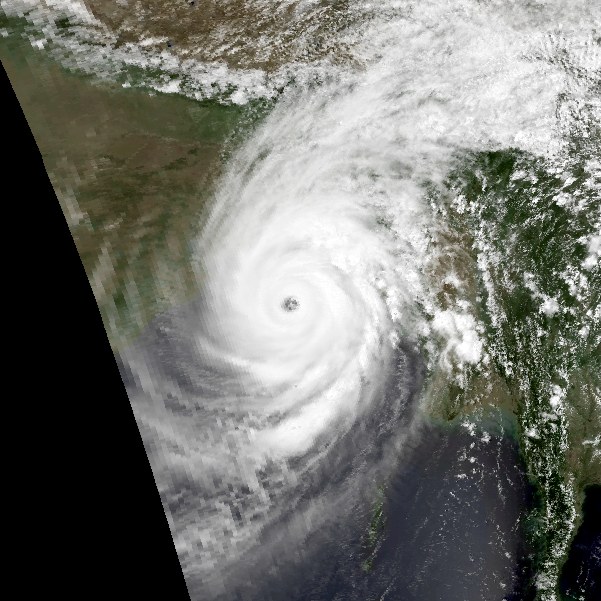
A storm and surge that killed approximately 138,000 people and exposed gaps between warnings and safe shelter. The coast around Chittagong and offshore islands was highly exposed to cyclones. Warnings alone could not ensure safety where people lacked strong buildings, transport or confidence that leaving home was necessary.
Background
A densely inhabited coast
The coast around Chittagong and offshore islands was highly exposed to cyclones. Warnings alone could not ensure safety where people lacked strong buildings, transport or confidence that leaving home was necessary. Poverty and concerns for family members and possessions shaped evacuation decisions.[1]
What happened
- 29–30 April 1991
Violent winds and seawater
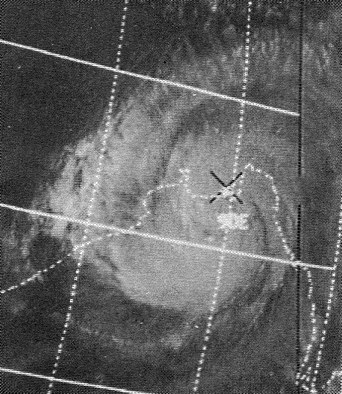
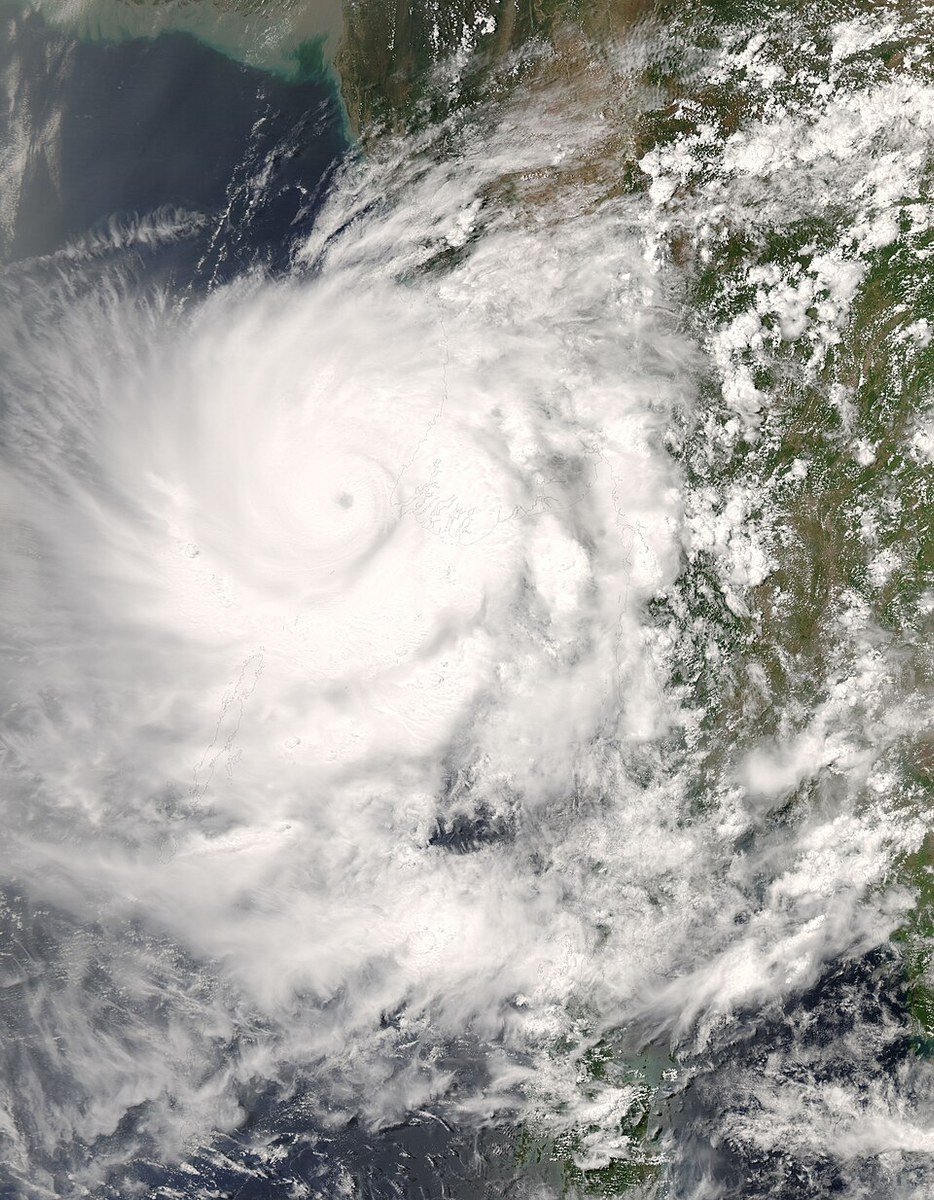
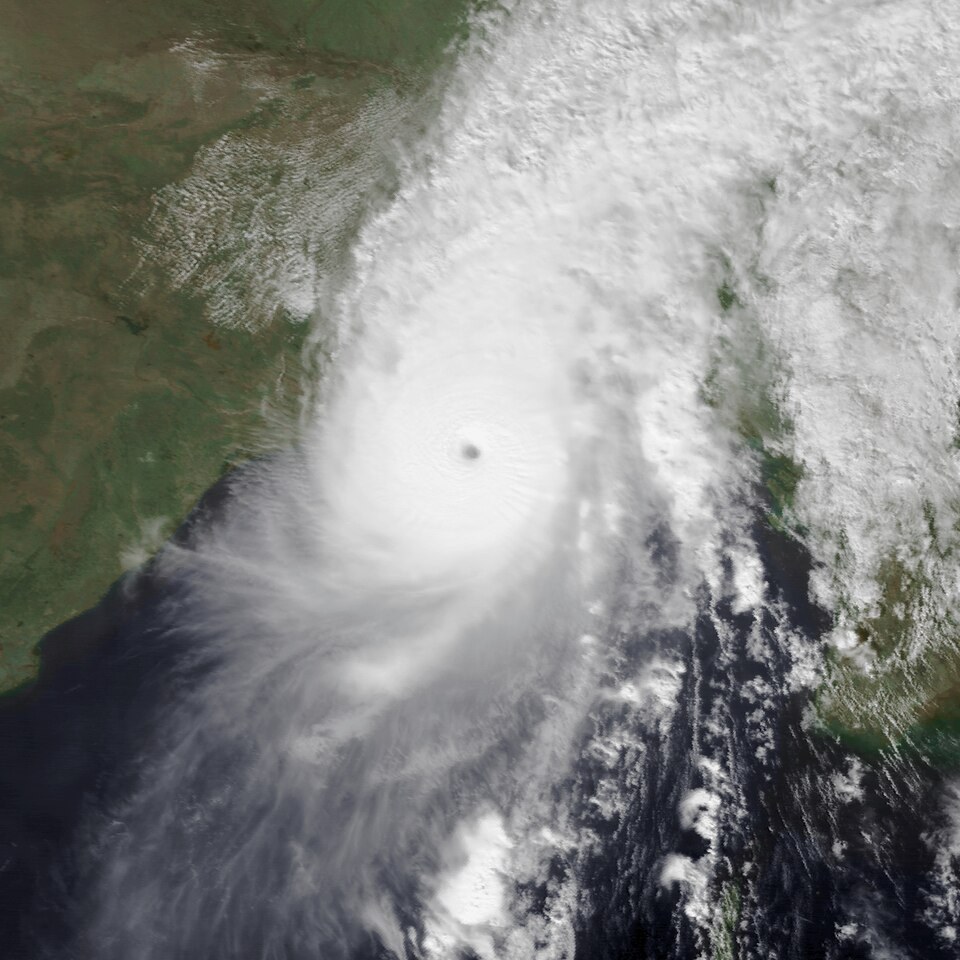
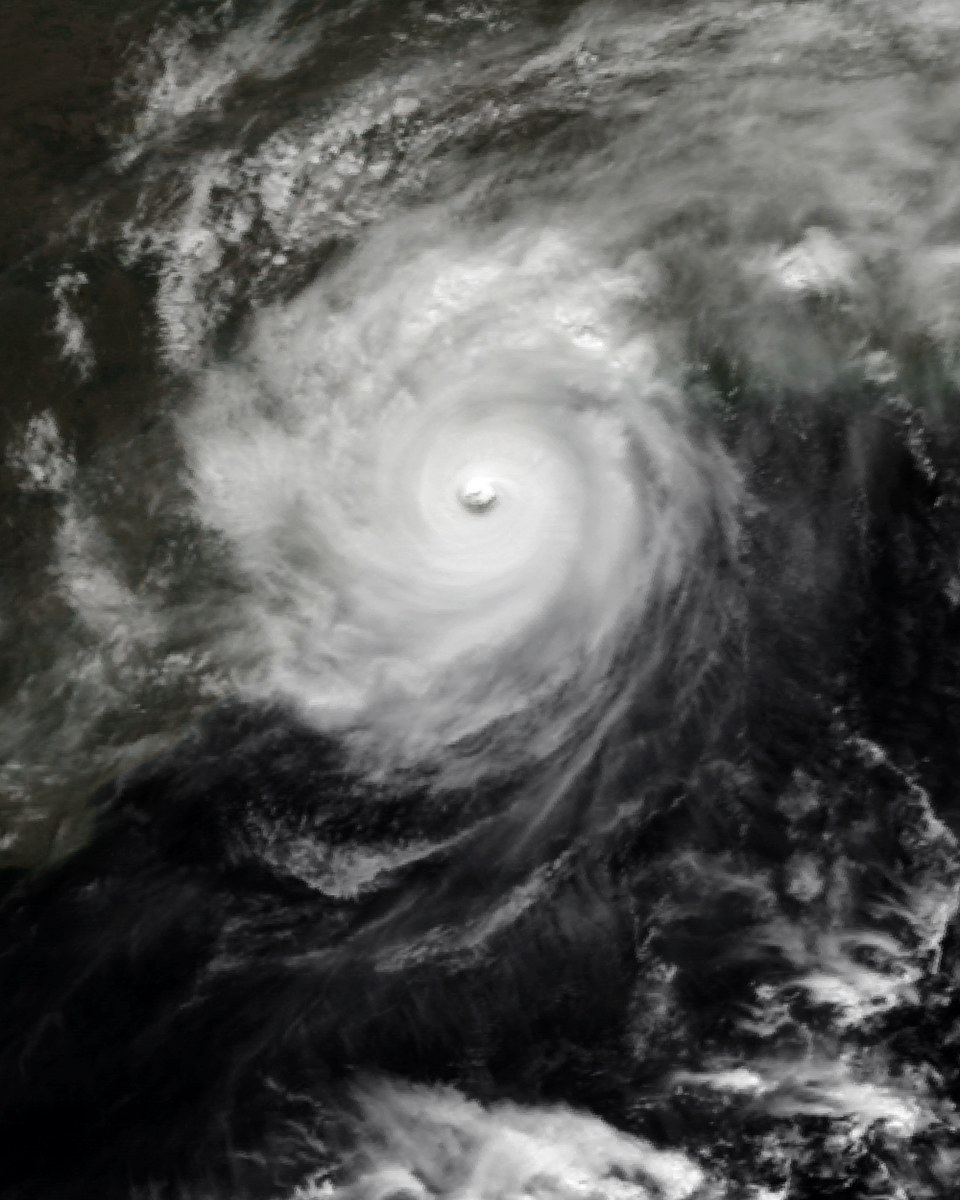
The cyclone made landfall with extreme winds and a major storm surge. Coastal settlements were inundated and weak buildings destroyed. Darkness, rapidly rising water and flying debris made escape difficult for people still outside secure shelter.[1]
- Following days
A large relief operation
Survivors faced damaged roads, contaminated water and lost homes. Local responders and international assistance supplied food, medical care and shelter. Restoration of livelihoods took longer than emergency distribution, particularly for families who lost fishing boats, livestock or agricultural land.[1]
Impact & evidence
Shelter access affected survival
WHO cites roughly 138,000 deaths. Research found much higher mortality among people who failed to reach substantial buildings. The toll therefore reflects the interaction of a powerful storm with social and physical vulnerability, rather than wind speed alone.[2]
Aftermath & legacy
Changing evacuation and shelter systems
The disaster reinforced investment in cyclone shelters, volunteer networks and public warnings. Future success required messages people could understand and act on, including help for children, older people and those with limited mobility. Risk reduction depended on making safety accessible before landfall.[1]
Sources & image credits (3)
- Wikipedia — 1991 Bangladesh cyclone ↗
- WHO — Remembering the 1991 cyclone ↗
- WHO Bulletin — Mortality risk factors ↗
The National Oceanic and Atmospheric Administration, NCDC · Public domain (source record). Resized for display. Image source ↗