Cyclone Sidr
A severe cyclone that killed more than 3,000 people despite major evacuation efforts.
- When
- 15 November 2007
- Where
- Southwestern Bangladesh
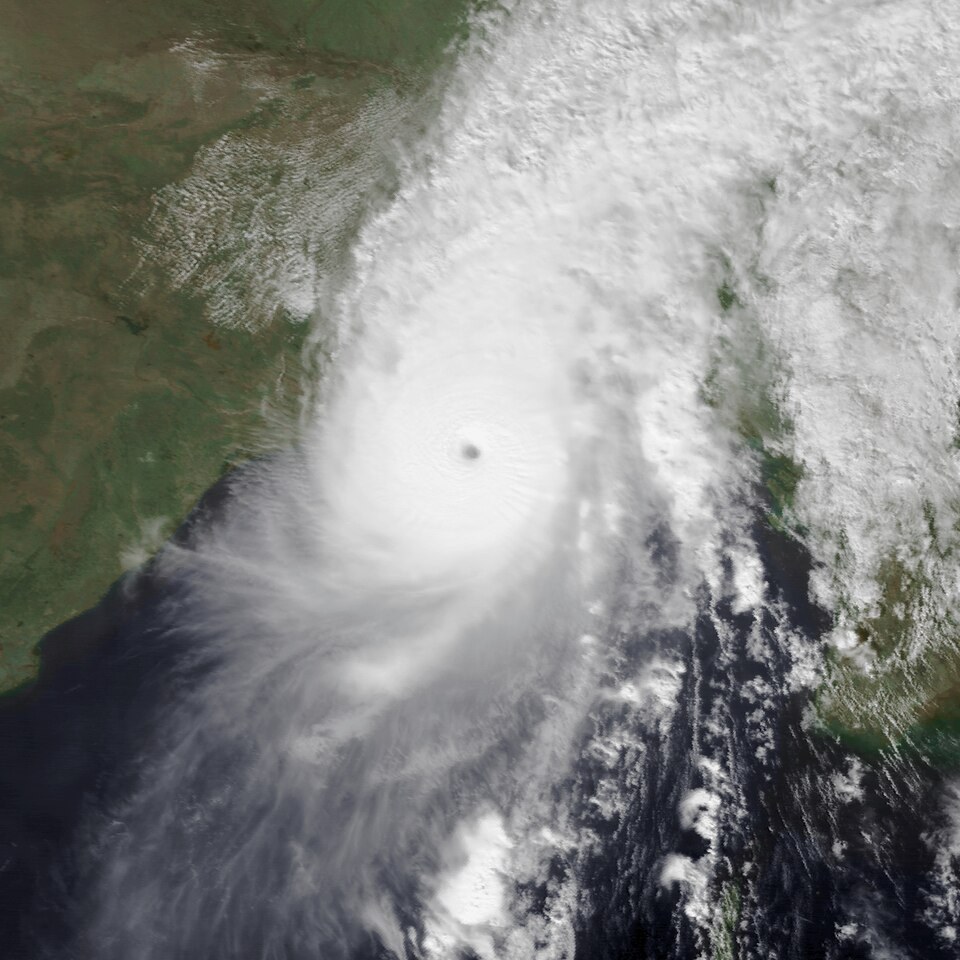
A severe cyclone that killed more than 3,000 people despite major evacuation efforts. Bangladesh had expanded warnings, shelters and volunteer networks following earlier mass-casualty cyclones. These systems offered protection but did not eliminate exposure.
Background
Preparedness after earlier catastrophes
Bangladesh had expanded warnings, shelters and volunteer networks following earlier mass-casualty cyclones. These systems offered protection but did not eliminate exposure. Coastal households remained vulnerable to storm surge, fragile housing and loss of crops, fishing equipment and livestock.[1]
What happened
- 15 November 2007
Sidr makes landfall
Powerful winds and seawater struck the southwest coast, damaging settlements and parts of the Sundarbans. Large-scale evacuation moved many people away from immediate danger. Those outside secure shelter faced collapsing structures, falling trees and rapidly rising water.[1]
- After the storm
Survival and livelihood needs
Relief operations had to reach communities across damaged roads and waterways. Saline water and debris affected farms and drinking-water sources. For survivors, losing a boat or a harvest could prolong the disaster after emergency food and shelter had arrived.[1]
Impact & evidence
Reduced losses still meant catastrophe
Commonly reported totals are around 3,400 deaths, with differences between assessments and reporting dates. The toll was far lower than in 1970 or 1991, but comparisons must account for the storm's track and affected population as well as preparedness. Evacuation saved lives without making the event harmless.[2]
Aftermath & legacy
Investing beyond warnings
Sidr reinforced the importance of accessible shelters, trusted local volunteers and resilient livelihoods. It also highlighted the protective value and vulnerability of coastal ecosystems. Recovery planning needed to address the unequal ability of households to rebuild, rather than measure success solely by restoring infrastructure.[1]
Sources & image credits (2)
United States Naval Research Laboratory · Public domain (source record). Resized for display. Image source ↗