Cyclone Nargis
A devastating cyclone and storm surge that left approximately 138,000 people dead or missing.
- When
- 2–3 May 2008
- Where
- Ayeyarwady delta and Yangon region, Myanmar
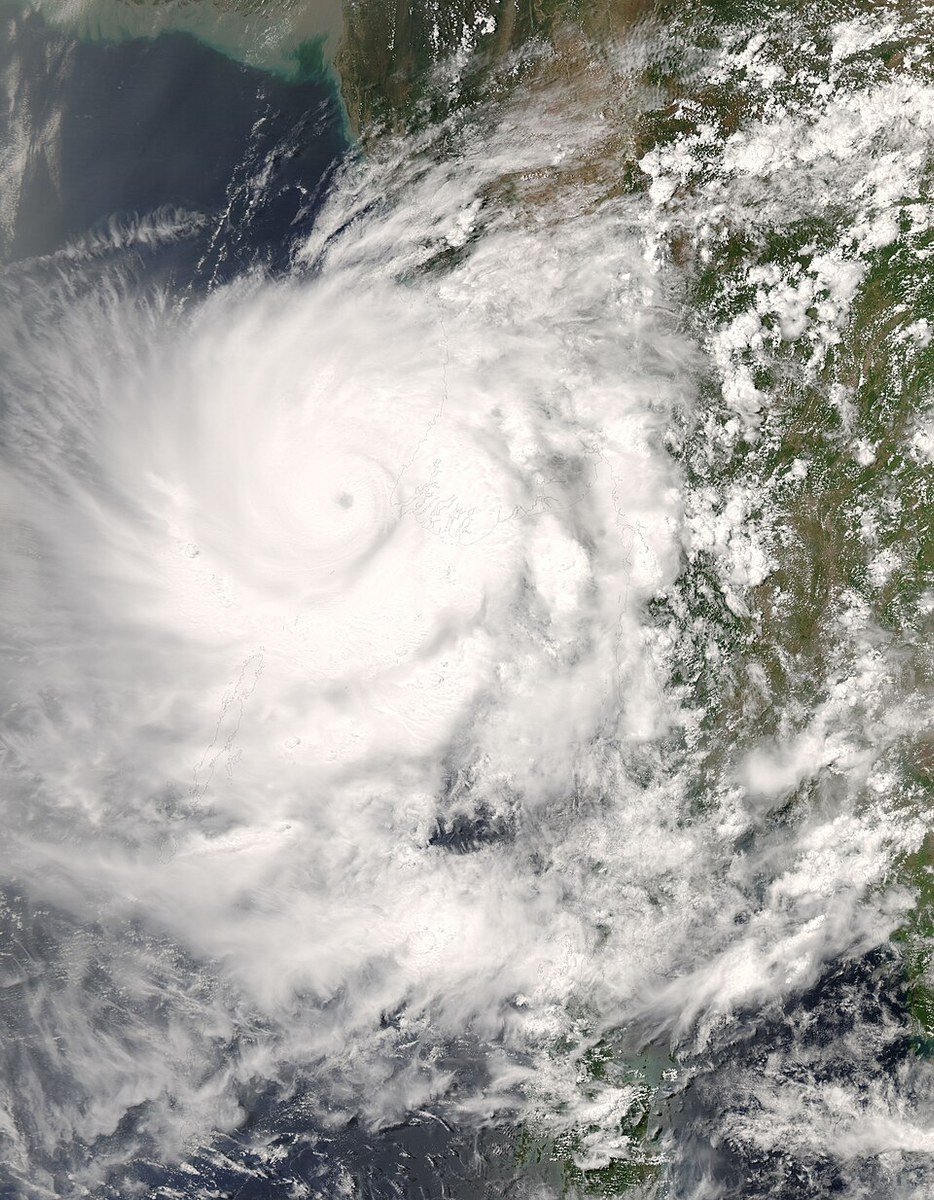
A devastating cyclone and storm surge that left approximately 138,000 people dead or missing. The Ayeyarwady delta supported dense rural communities dependent on rice farming and fishing. Low terrain exposed people to seawater driven far inland.
Background
A low delta with limited protection
The Ayeyarwady delta supported dense rural communities dependent on rice farming and fishing. Low terrain exposed people to seawater driven far inland. Weak housing and limited warning and shelter capacity increased the danger when an exceptionally destructive cyclone approached.[1]
What happened
- 2–3 May 2008
The surge crosses inhabited land
Nargis struck the delta and passed toward Yangon. Water and wind destroyed homes, damaged crops and swept away people and livestock. The loss of boats and local transport also made it difficult to reach isolated survivors.[1]
- Following weeks
Access to assistance is contested
Myanmar's military authorities initially restricted international relief access. Regional diplomacy involving ASEAN and the United Nations helped establish assessment and assistance arrangements. Local communities and national aid workers had already begun responding despite losses of their own.[1]
Impact & evidence
Approximately 138,000 people
Widely used official figures combine more than 84,000 confirmed deaths with approximately 54,000 missing people. The combined total is around 138,000; it should not be described as that many recovered bodies. Millions more faced damage to housing, food supplies and livelihoods.[2]
Aftermath & legacy
Recovery and regional cooperation
The response became an important test of ASEAN's role in humanitarian coordination. Rebuilding required seed, tools, boats and safe water as well as replacement housing. The catastrophe showed how restrictions on information and access can compound an environmental emergency without being its physical cause.[1]
Sources & image credits (2)
NASA · Public domain (source record). Resized for display. Image source ↗