Odisha super cyclone
An exceptionally destructive cyclone that killed approximately 10,000 people and transformed the state's disaster planning.
- When
- 29–30 October 1999
- Where
- Odisha, India
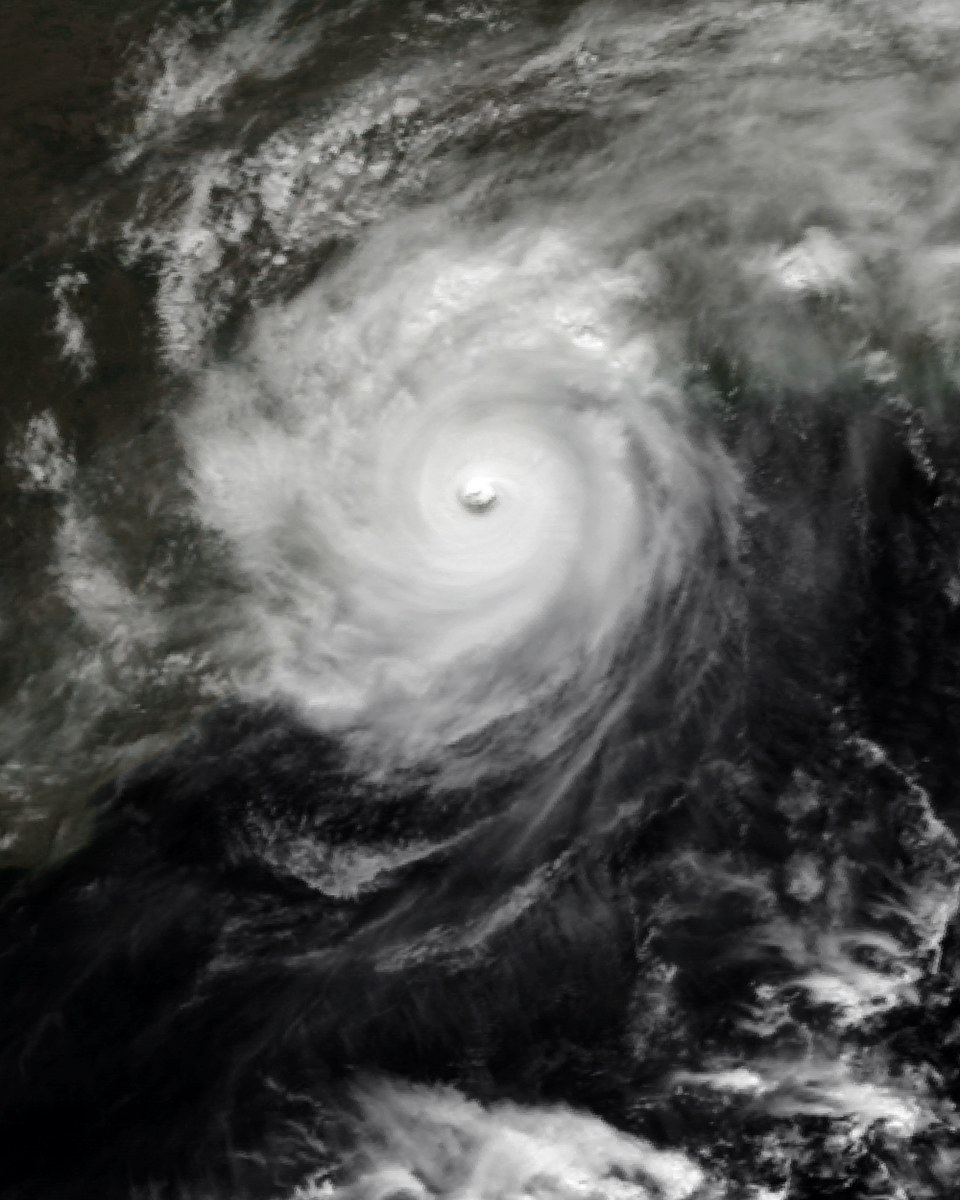
An exceptionally destructive cyclone that killed approximately 10,000 people and transformed the state's disaster planning. Odisha's low coastal districts faced danger from Bay of Bengal cyclones, with many residents dependent on agriculture and fishing. Limited shelter capacity and vulnerable housing increased exposure.
Background
A highly exposed coast
Odisha's low coastal districts faced danger from Bay of Bengal cyclones, with many residents dependent on agriculture and fishing. Limited shelter capacity and vulnerable housing increased exposure. The approaching storm threatened a population whose livelihoods could not be moved out of its path.[1]
What happened
- 29 October 1999
Wind, surge and rain
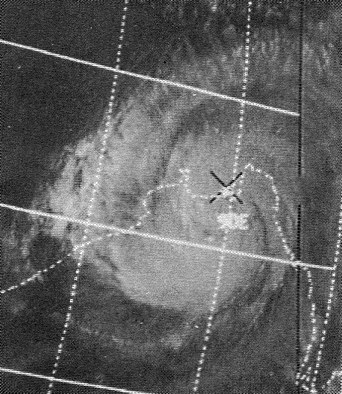
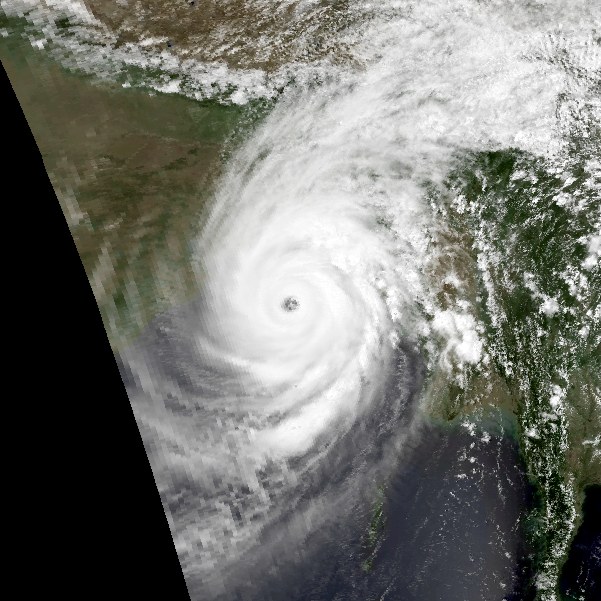
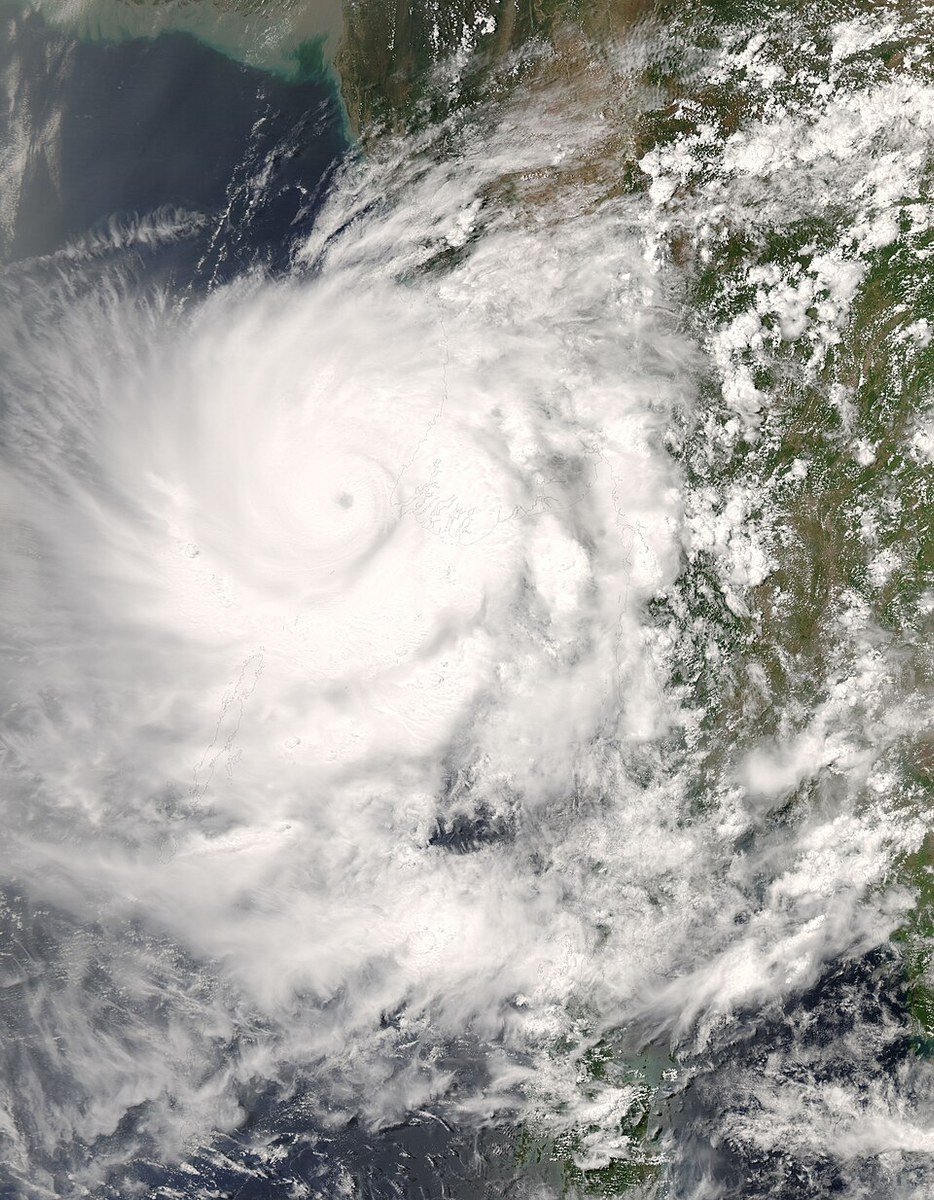
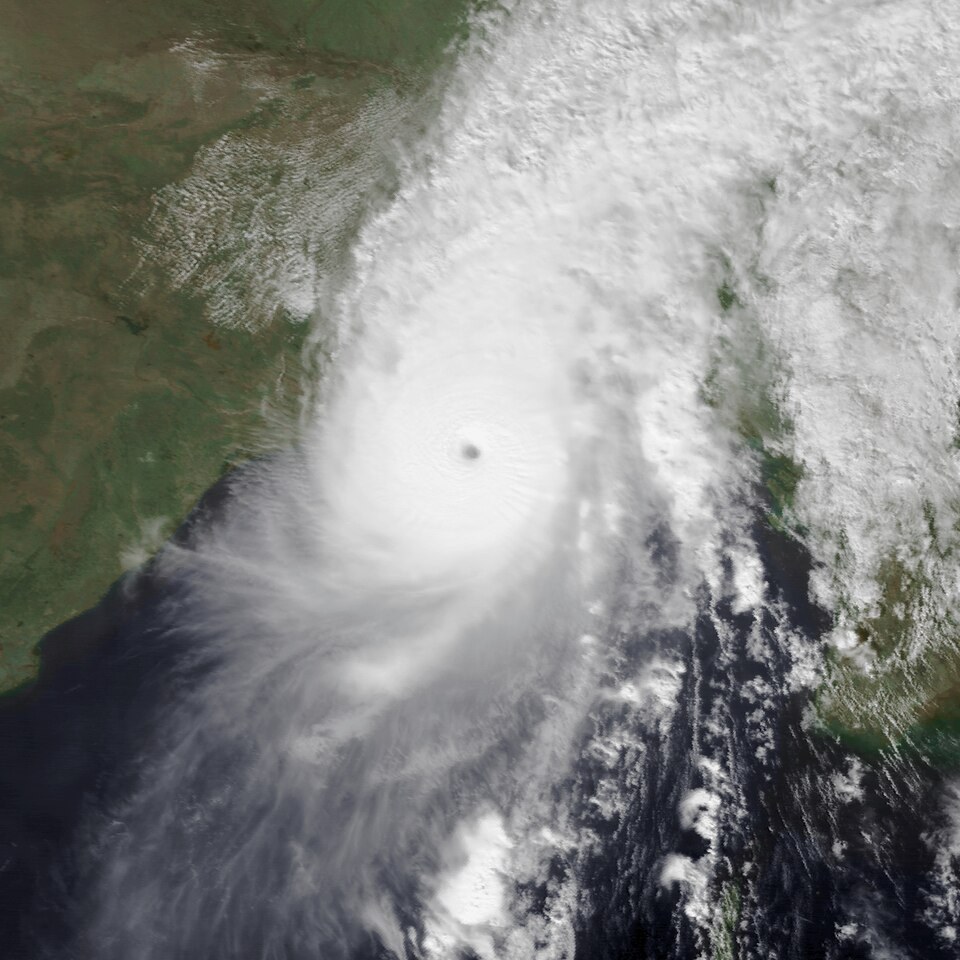
The super cyclone struck near the coast and moved slowly, extending the period of destructive weather. Seawater inundated communities while intense rainfall caused further flooding. Communications and transport failed across affected districts, hindering assessment and rescue.[1]
- Following weeks
Relief and reconstruction
Survivors needed drinking water, food, medical support and shelter. Agriculture suffered from inundation and salt contamination, while livestock losses removed important household assets. Restoring roads and power was urgent but did not by itself restore family income or food security.[1]
Impact & evidence
An official accounting
An Odisha disaster-management document records 9,885 human casualties and approximately 12.5 million people affected. Other reports round the mortality figure to 10,000. The affected population includes people suffering damage or disruption and must not be confused with the number killed.[2]
Aftermath & legacy
A stronger disaster-management system
The catastrophe prompted institutional changes and investment in evacuation, shelters and preparedness. Later cyclone responses demonstrated major improvements in reducing deaths. That progress depended on sustained organisation and public participation, not merely better forecasts or the absence of equally dangerous weather.[1]
Sources & image credits (3)
- Wikipedia — 1999 Odisha cyclone ↗
- OSDMA — 1999 super cyclone archive ↗
- OSDMA — Disaster management and 1999 losses ↗
MVIRI imagery on the Meteosat-5 satellite, colorized by Sanoxel 2.0 · Attribution (source record). Resized for display. Image source ↗