Thule nuclear weapons accident
A US bomber carrying four nuclear weapons crashed near Thule, spreading radioactive contamination without a nuclear detonation.
- When
- 21 January 1968 onward
- Where
- Near Thule Air Base, Greenland
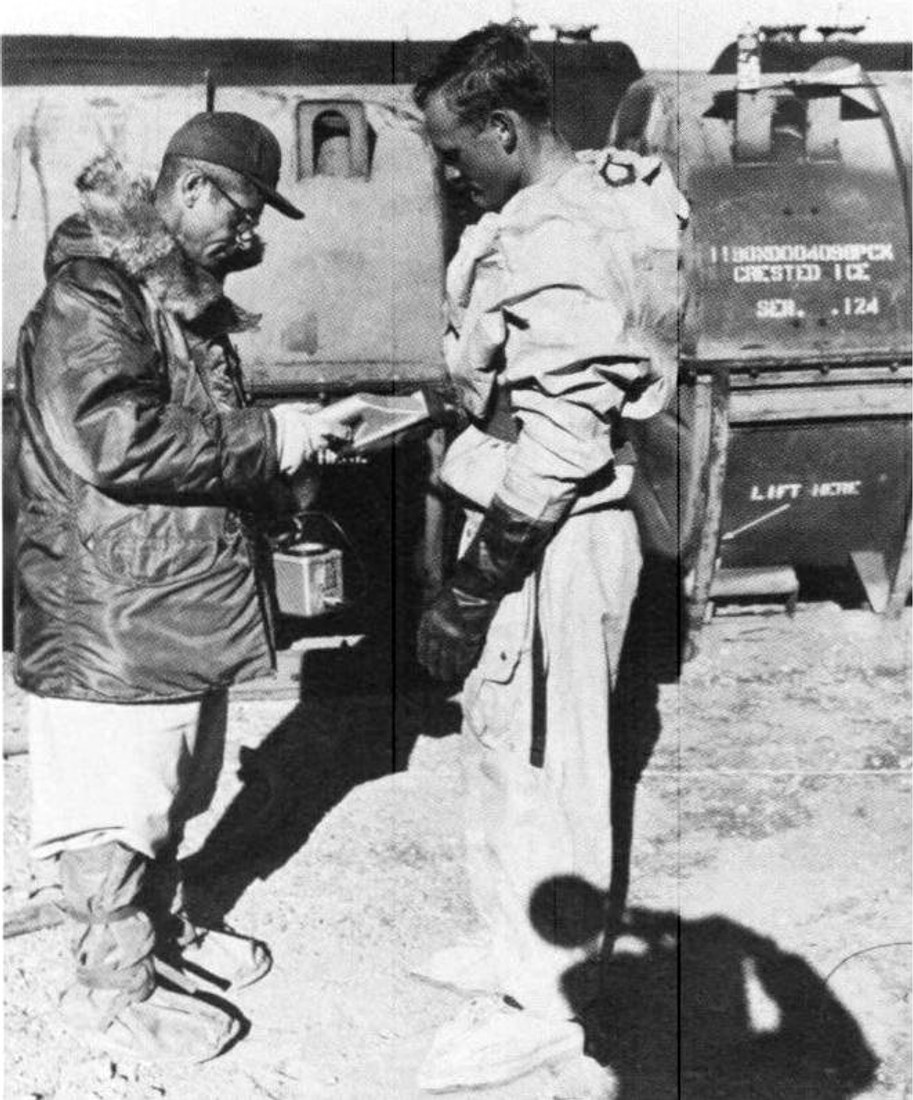
A US bomber carrying four nuclear weapons crashed near Thule, spreading radioactive contamination without a nuclear detonation.
Background
Airborne nuclear alert
The aircraft was part of Cold War operations involving nuclear-armed bombers. A fire aboard the B-52 led to an emergency near the US base in Greenland, bringing the risks of these patrols into direct contact with the local environment.[1]
What happened
- 21 January 1968
Crash and contamination
The bomber crashed onto sea ice. Conventional explosives and fire broke up the weapons and dispersed radioactive material. One crew member died; there was no nuclear explosion.[1]
Impact & evidence
Fragments are not an intact missing bomb
Claims about an unrecovered weapon require distinguishing incomplete recovery of components from evidence that an intact bomb remained. The DIIS investigation examined declassified documentation and challenged the latter interpretation.[2]
Aftermath & legacy
Cleanup and contested consequences
The accident required a substantial cleanup and raised questions about nuclear policy, environmental contamination and workers' exposure. These issues must be assessed separately: the absence of a nuclear detonation does not mean the crash was harmless.[2]
Sources & image credits (2)
- Wikipedia — 1968 Thule Air Base B-52 crash ↗
- Danish Institute for International Studies: Thule report ↗
United States Air Force Image source ↗