Somerset v Stewart and slavery in England
A ruling against forcibly removing James Somerset from England for enslavement abroad.
- When
- 1772
- Where
- London, England
A ruling against forcibly removing James Somerset from England for enslavement abroad.
Background
Freedom contested through a detained man
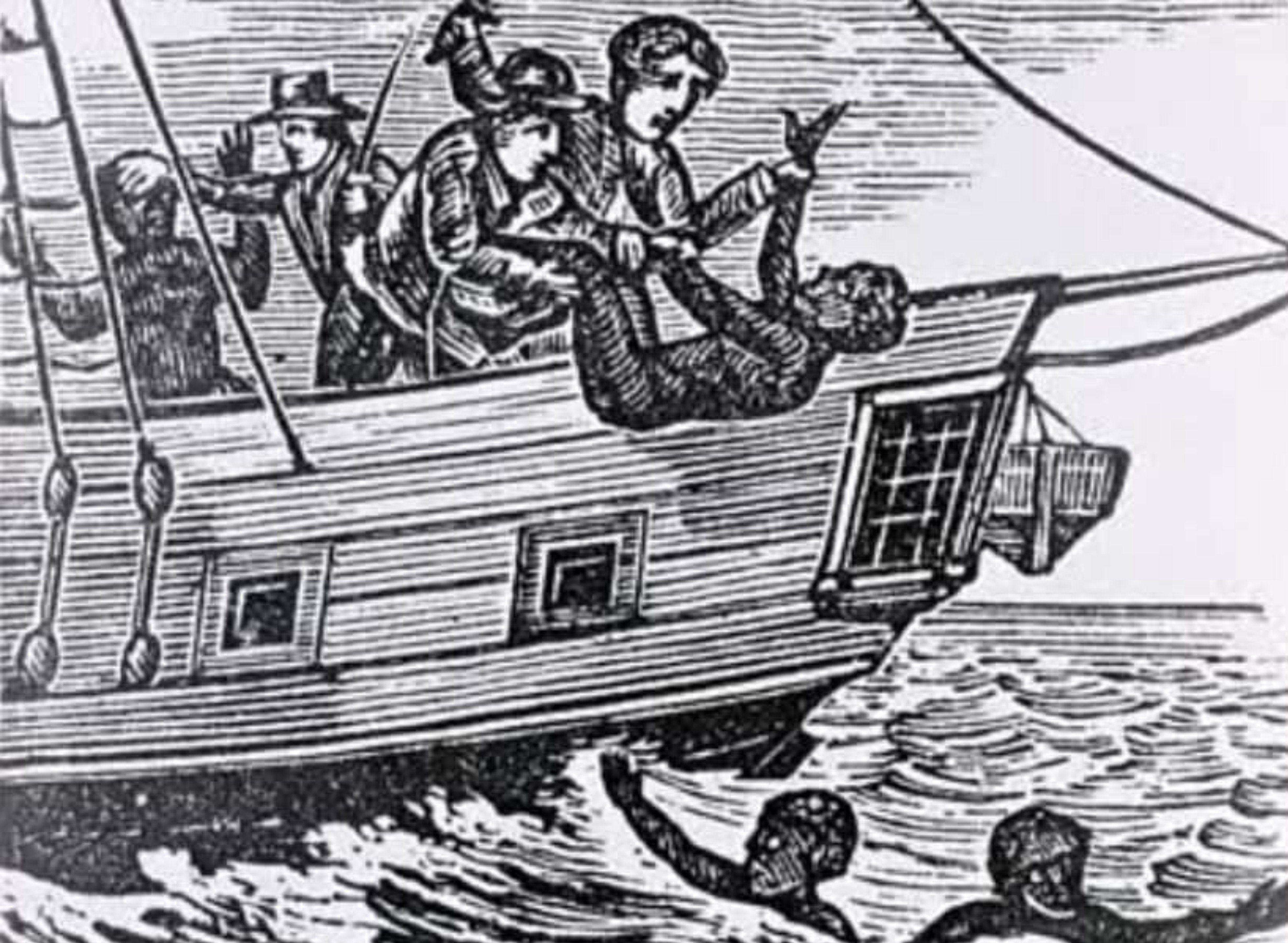
James Somerset, enslaved by Charles Stewart, was brought to England and later detained for shipment to Jamaica. Supporters challenged that detention through habeas corpus, bringing the legality of his forced removal before the King’s Bench.[1]
What happened
- 1771–1772
Supporters brought detention before a court
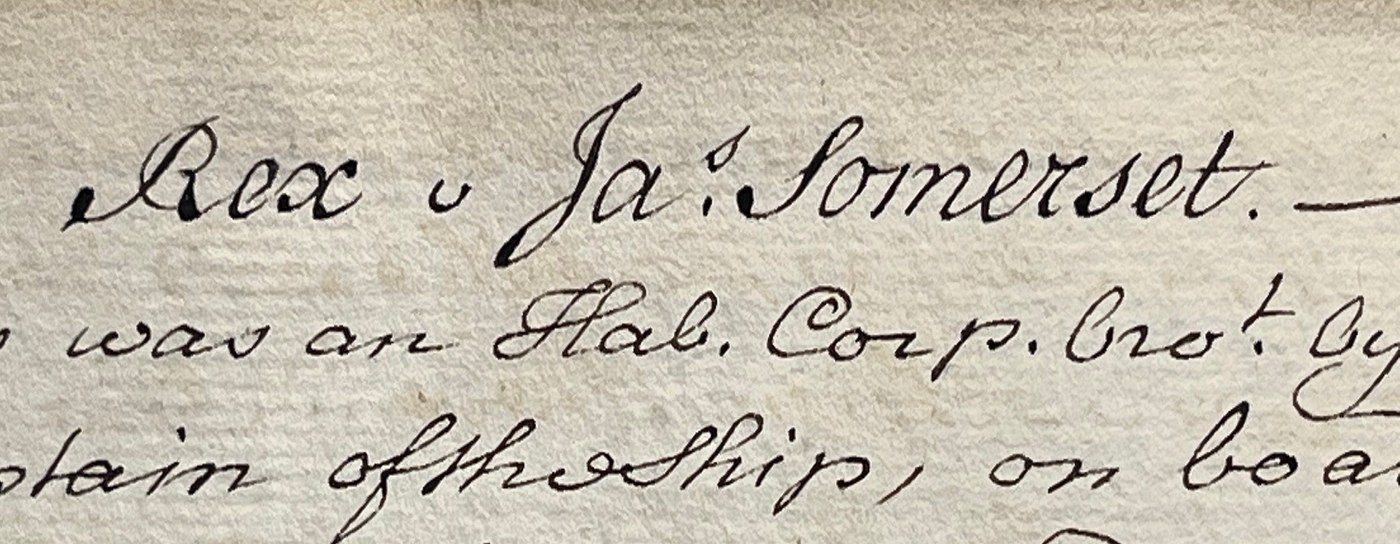
Somerset’s godparents sought habeas corpus after he was recaptured and confined aboard the Ann and Mary. The writ required his custodian to justify the detention. Francis Hargrave argued for Somerset, while Mansfield repeatedly encouraged a settlement before giving judgment. Surviving manuscript reports show the proceedings behind the celebrated ruling.[2]
- 22 June 1772
Mansfield’s decision
The court found no sufficient legal basis to compel Somerset’s removal for sale abroad. The judgment rejected the claimed power being exercised over him in England.[1]
Impact & evidence
A narrower ruling than the legend
The case did not abolish slavery throughout the British Empire or enact a comprehensive emancipation law. Its immediate legal scope concerned forced removal, although contemporary observers and later campaigners gave it wider significance.[1]
Aftermath & legacy
A tool for abolitionist argument
Somerset’s case strengthened challenges to slavery and exposed tensions between property claims and personal liberty. Its symbolic force mattered, but colonial slavery continued for decades. The enslaved man and the supporters who pursued the case belong at the centre of the story alongside the judge.[1]
Sources & image credits (2)
Lincoln’s Inn Library · Copyright retained by the rights holder Image source ↗