Shah Abbas's deportation of Armenians and creation of New Julfa
Shah Abbas's scorched-earth campaign uprooted Armenian communities and created New Julfa in Iran.
- When
- 1604–1605 and subsequent settlement
- Where
- Eastern Armenia and Isfahan, Safavid Iran
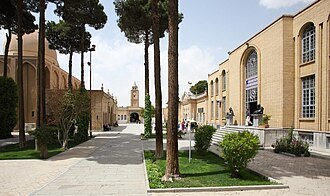
Shah Abbas's scorched-earth campaign uprooted Armenian communities and created New Julfa in Iran.
Background
War between empires
During renewed Safavid–Ottoman war, Shah Abbas sought to deny the advancing Ottoman army supplies and population resources. Communities in the contested region were ordered south. This was a coerced movement within imperial strategy, not an ordinary migration by merchants seeking opportunity.[1]
What happened
- 1604–1605
Deportation and destruction
The Safavid campaign destroyed settlements, crops and pastures and forced people across the Aras into Iran. Old Julfa was demolished. The wider deportations affected more than the prosperous merchant families whose later history is best documented; precise totals and losses require caution because accounts differ in scope.[2]
- 1605 onward
New Julfa established
An Armenian settlement developed beside Isfahan. Its merchants became important in international commerce, and its churches supported religious and communal life. The creation of a prosperous centre followed dispossession; later commercial success must not be mistaken for evidence that the original removal was freely chosen.[3]
Impact & evidence
Commerce and royal policy
Abbas cultivated Armenian trading networks for Safavid economic and diplomatic aims. Selected privileges enabled community institutions and long-distance business, but they depended on royal power. The different experiences of merchants, clergy and poorer deportees should not be collapsed into one story of favourable treatment.[2]
Aftermath & legacy
A diaspora shaped by force and adaptation
New Julfa became an enduring centre of Armenian culture and trade. Its history combines survival and achievement with the destruction of an earlier home. Both elements matter: celebrating the settlement without the deportation removes the coercion that brought it into being.[2]
Sources & image credits (3)
- Wikipedia — New Julfa ↗
- Encyclopaedia Iranica: Julfa in the Safavid period ↗
- Encyclopaedia Iranica: Julfa overview ↗
Thomas Image source ↗