Italian concentration camps in Cyrenaica
Mass deportation and confinement used to break Libyan resistance to Fascist Italy.
- When
- 1930–1933
- Where
- Cyrenaica, present-day eastern Libya
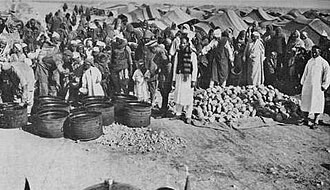
Italian authorities removed nomadic and semi-nomadic communities from their homes and confined them in camps. Separating civilians from resistance networks was an explicit aim. The policy caused deaths, destroyed livelihoods and helped clear the way for colonial agricultural settlement.
Background
A war against communities
The resistance depended on relationships with local populations. Italian commanders sought to break those relationships by moving whole communities, treating civilian life as a resource to be controlled.[1]
What happened
- 1930–1931
Forced confinement
Pietro Badoglio and Rodolfo Graziani ordered the confinement of Cyrenaica's nomadic and semi-nomadic population. Deportation uprooted families and severed access to land and herds.[1]
- 1930–1933
Life inside the camps
Research on Fascist agriculture records about 85,000 people confined across a network of camps. Physical and cultural violence accompanied the destruction of the region's economic life.[2]
- After 1933
Land reorganised
The repression formed part of a wider transformation of land use under Italian rule. Colonial agricultural schemes followed the violent disruption of Indigenous society.[2]
Impact & evidence
Deportation beyond the camps
Italian confinement also included transportation to Italy. Studying those routes situates the Cyrenaican camps within a broader system of colonial removal and imprisonment.[1]
Tens of thousands died in confinement
Research published in the International Review of Social History reports estimates of 100,000–120,000 camp prisoners and as many as 40,000–48,000 deaths during internment. Other studies use different camp populations and time spans. These are not interchangeable totals, and neither is an exact register. The scale reflects the confinement of whole communities, deprived of their livelihoods and exposed to lethal conditions.[1]
Aftermath & legacy
Counting losses carefully
Historians use different totals for deportees, camps and deaths. Those figures depend on the places and dates counted; they should not be combined as if they measure an identical population.[2]
Removal served a colonial settlement project
Confinement was intended to sever resistance fighters from civilian support. It also emptied and reorganised land for the colonial economy. The destruction of herds and established ways of living meant that release or the closure of a camp could not simply restore the society that had existed before deportation.[2]
Sources & image credits (2)
- International Review of Social History — Deportation of Libyans to Italy ↗
- Modern Italy — Fascist agricultural enterprise in Libya ↗
Rodolfo Graziani (1882-1955); Public domain; via Wikimedia Commons. Image source ↗