Juneteenth and emancipation in Texas
The announcement of emancipation in Texas became a lasting celebration of Black freedom.
- When
- 19 June 1865 and annual commemoration
- Where
- Galveston and Texas, United States
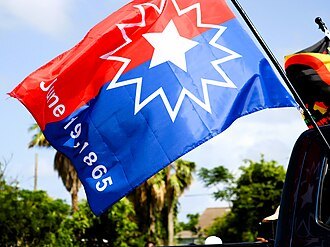
The announcement of emancipation in Texas became a lasting celebration of Black freedom.
Background
Slavery persisted as the Confederacy collapsed
Texas remained a slaveholding stronghold late in the Civil War, and enslavers had moved people there from other states. News of emancipation and the power to enforce it were different things. Freedom depended on military change, the actions of enslaved people and the collapse of slaveholders' authority.[1]
What happened
- 19 June 1865
General Order No. 3
Union General Gordon Granger announced in Galveston that enslaved people were free. The order proclaimed equality of personal and property rights but also directed freed people toward wage labour and discouraged gathering at military posts. Its language reveals both emancipation and official attempts to manage the new freedom.[2]
Impact & evidence
Not the first or final emancipation everywhere
Juneteenth marks an important moment in Texas, not the date every enslaved person in the United States became free. Enforcement remained uneven, and nationwide constitutional abolition followed with the Thirteenth Amendment. Recognising that sequence gives the celebration greater historical precision rather than diminishing it.[1]
Aftermath & legacy
A celebration sustained by communities
Black Texans began commemorating the anniversary, and families and communities carried the tradition elsewhere. Gatherings combined celebration, remembrance and claims to citizenship. The day's later national recognition rests on generations of community observance, not simply on a modern government decision to create a holiday.[2]
Sources & image credits (2)
2C2KPhotography Image source ↗