Italian chemical warfare in Ethiopia
Fascist Italy's use of mustard gas during its invasion of Ethiopia.
- When
- 1935–1936
- Where
- Ethiopia
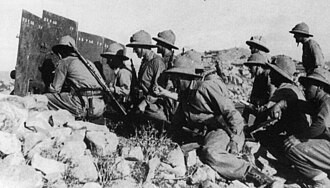
Italy used chemical weapons during the invasion of Ethiopia, mainly delivering them by aircraft. Mustard gas injured soldiers and civilians, while attacks on medical facilities obstructed treatment. The campaign exposed the weakness of international restraints on colonial warfare.
Background
An invasion and a humanitarian emergency
The war created urgent demand for medical care. Red Cross field hospitals and other medical services operated amid bombing, displacement and the arrival of unfamiliar chemical injuries.[2]
An invasion with an unequal capacity for violence
Italy’s modern air power enabled attacks far beyond a conventional front line. Mustard gas injured exposed skin and lungs and complicated care for casualties. Medical personnel faced both patients with chemical injuries and direct threats to hospitals. The use of such weapons was a deliberate means of warfare, not an accidental industrial release.[1]
What happened
- 1935
War begins
Italy invaded Ethiopia. Humanitarian organisations mobilised medical assistance as the conflict expanded, but their protective status did not keep them beyond the reach of attacks.[2]
- 1935–1936
Gas from the air
An ICRC historical study records poison-gas use during four months of the war. Mustard gas was the principal agent, with attacks also striking civilians.[1]
- 1936
Evidence and limited response
Medical experience and reports documented chemical warfare, yet the ICRC's efforts achieved little. The episode raised lasting questions about the effectiveness of humanitarian protection.[1]
Impact & evidence
Attacks on medical services
ICRC archival research identifies repeated air attacks on hospitals, field hospitals and marked medical aircraft. These were a separate pattern of violence alongside chemical attacks.[2]
Evidence of attacks is stronger than a single total
Medical accounts and ICRC records establish chemical attacks and assaults on protected medical services. They do not yield a reliable, complete count of people killed specifically by gas across the entire invasion. Deaths from chemical injury, other weapons and the wider war must not be combined into an unsupported gas-only figure.[2]
Aftermath & legacy
A body of evidence
Medical testimony, institutional records and photographs provide complementary evidence. They document both the effects of weapons and the limits of humanitarian intervention during an imperial invasion.[2]
Sources & image credits (2)
- International Review of the Red Cross — Chemical warfare in the Italo-Ethiopian War ↗
- ICRC Archives — Bombing of Red Cross field hospitals ↗
Unknown author Unknown author; CC BY-SA 4.0; via Wikimedia Commons. Image source ↗