Indian famine of 1896–1897
Crop failure, poverty and inadequate access to relief produced mass death across a wide area of India.
- When
- 1896–1897
- Where
- British India and several princely states
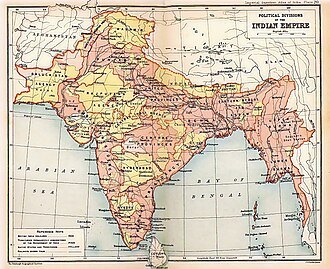
Crop failure, poverty and inadequate access to relief produced mass death across a wide area of India.
Background
Harvest failure met entrenched insecurity
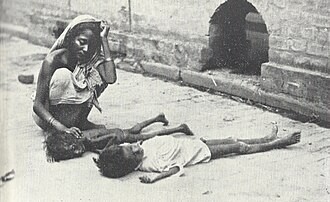
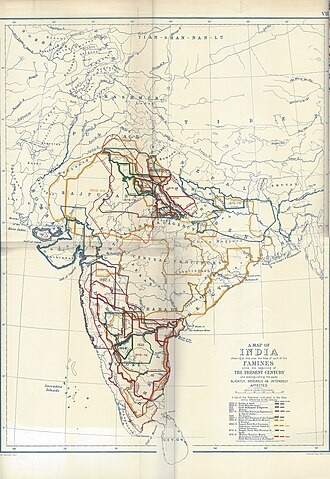
The famine spread from Bundelkhand into large parts of northern, central and western India. Agricultural failure reduced incomes as well as food supplies. People without reserves or secure access to grain were especially exposed, making hunger a question of purchasing power and administration as well as rainfall.[1]
What happened
- 1896–1897
Relief on a vast scale, still insufficient
The census account describes an affected area with nearly 70 million inhabitants. Millions received relief, yet assistance did not prevent enormous mortality. Work requirements, access barriers and the condition of people arriving for help shaped what relief actually achieved.[2]
Impact & evidence
An estimated five million deaths
Mishra and colleagues’ 2019 study reports approximately five million deaths for the 1896–1897 famine, citing D. K. Fieldhouse’s historical synthesis. Its affected-population figure is about 69.5 million. The mortality estimate is retrospective, not a complete register of named deaths, and includes the famine’s associated disease burden. It should not be combined with deaths in the later 1899–1900 famine.[4]
Aftermath & legacy
Statistics were politically contested
Arguments over rations, wages and mortality were part of disputes about colonial responsibility. Official numbers were produced within an administration defending its policies, while critics challenged both methods and conclusions. The famine was followed by further crisis in 1899–1900, leaving many communities little opportunity to recover.[3]
Sources & image credits (4)
- Wikipedia — Indian famine of 1896–1897 ↗
- Census of India: historical account of famine and population ↗
- David Arnold: disputed nutritional needs and famine mortality ↗
- Mishra and colleagues, 2019: drought and famine in India ↗
Edinburgh Geographical Institute; J. G. Bartholomew and Sons. Image source ↗