Haiti earthquake
A destructive earthquake near Port-au-Prince exposing the consequences of vulnerable buildings and concentrated public services.
- When
- 12 January 2010
- Where
- Southern Haiti
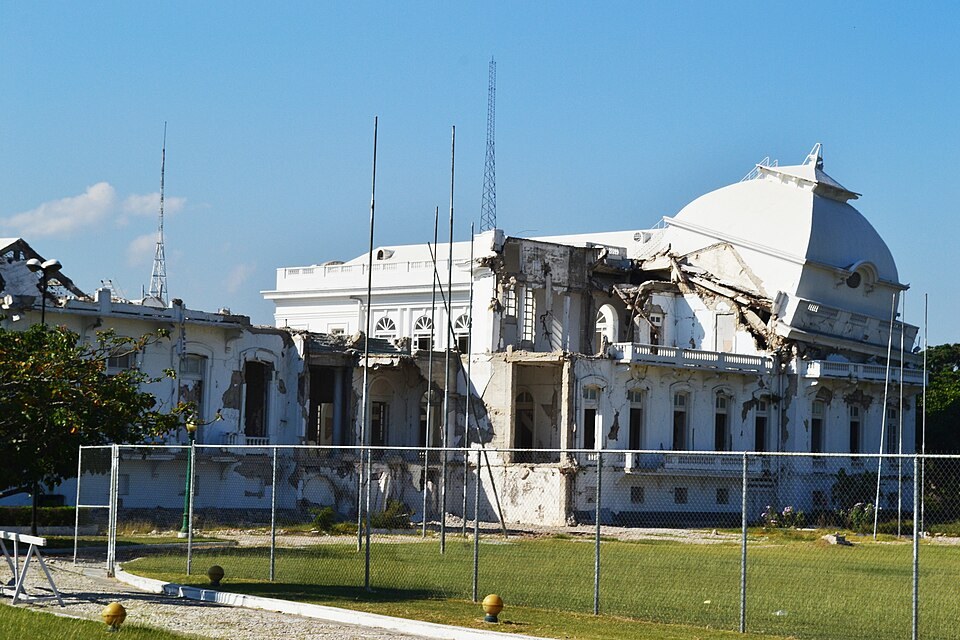
A destructive earthquake near Port-au-Prince exposing the consequences of vulnerable buildings and concentrated public services. Dense settlement, poverty and buildings unable to withstand strong shaking made the area highly vulnerable. Government offices, hospitals and other essential services were concentrated around Port-au-Prince.
Background
Risk concentrated around the capital
Dense settlement, poverty and buildings unable to withstand strong shaking made the area highly vulnerable. Government offices, hospitals and other essential services were concentrated around Port-au-Prince. The same event could therefore injure large numbers of people and disable institutions needed to respond.[1]
What happened
- 12 January 2010
Buildings collapse
The magnitude 7.0 earthquake struck near Léogâne, west of the capital. Homes, schools, hospitals and public buildings collapsed or suffered severe damage. The loss of communications and blocked roads made the scale of destruction difficult to establish during the first hours.[1]
- Days and months afterward
Rescue and displacement
Haitians carried out immediate rescues and shared shelter and supplies before much international assistance arrived. More than a million people were displaced. Crowded temporary settlements and damaged services created prolonged hardship, while coordination among aid organisations and public authorities remained difficult.[1]
Impact & evidence
No reliable single count
Published estimates range widely. A USGS overview used an estimate of approximately 300,000 deaths, while other investigations produced substantially lower totals. Destroyed records, missing people and differing methods prevent that headline number from being treated as a verified enumeration of individual victims.[2]
Aftermath & legacy
Recovery beyond rebuilding structures
Land tenure, housing, public health and economic opportunity shaped recovery. International pledges did not automatically become secure homes or stronger institutions. The earthquake illustrates how the severity of a natural hazard is transformed by construction, inequality and the capacity of communities and government to recover.[1]
Sources & image credits (2)
Trocaire from Ireland · CC BY 2.0 (source record). Resized for display. Image source ↗