The Goiânia radiological accident
An abandoned medical source that spread radioactive contamination through homes and scrapyards.
- When
- September 1987
- Where
- Goiânia, Brazil
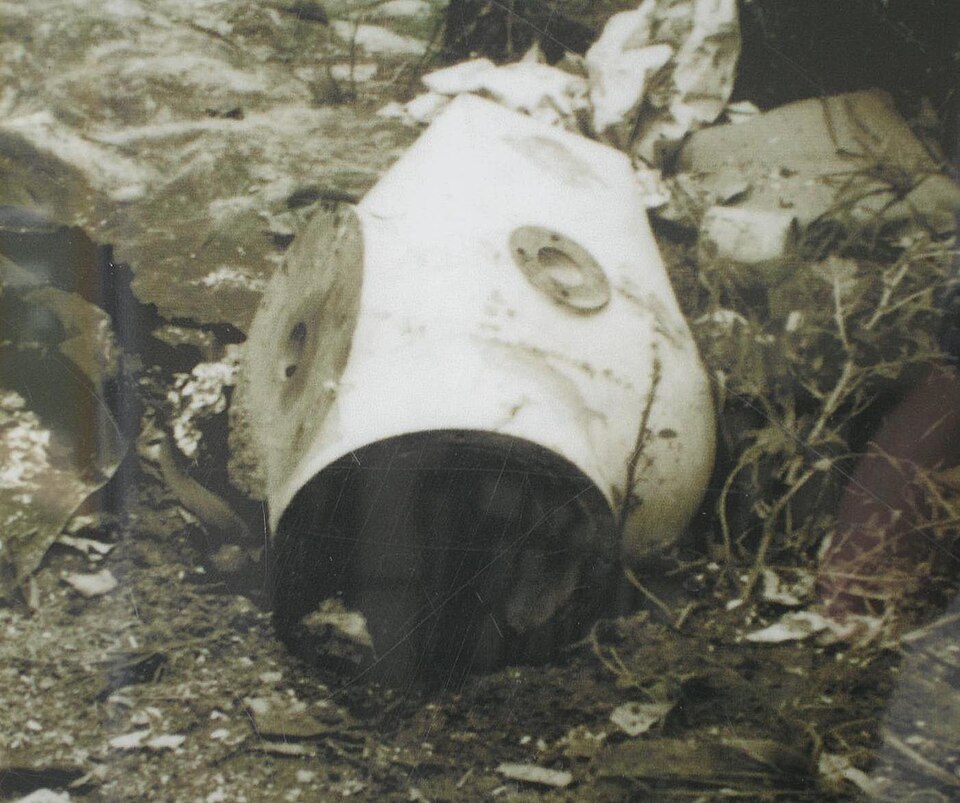
A radiotherapy source containing caesium-137 was removed from an abandoned facility and broken open. Radioactive powder spread through a scrap business and families who did not understand its danger. Four people died and hundreds were contaminated, exposing a failure to maintain control of hazardous medical equipment.
Background
Danger remained after the clinic moved
A radiation source can remain hazardous long after the equipment containing it falls out of use. In Goiânia, loss of control over a medical source brought it into the scrap trade. People handling the equipment had no reliable understanding of what it contained or how exposure could harm them.[1]
What happened
- September 1987
The source is opened
The damaged source released caesium chloride in a form that could spread easily. Material moved between people and locations, contaminating domestic spaces as well as the scrapyard. The danger remained unrecognised for more than two weeks.[2]
- Late September onward
An emergency across the city
Once radiation was identified, authorities had to find exposed people, monitor residents and trace contaminated places and objects. The response combined medical treatment with the removal of contaminated material from an ordinary urban environment.[1]
Impact & evidence
Four deaths; hundreds contaminated
The IAEA reports four deaths in the first month and approximately 250 contaminated people. Its detailed accident report records monitoring of around 112,000 people and identification of 249 with contamination. Monitoring a person does not mean that person was contaminated or injured.[1]
A large waste burden
Cleaning up dispersed material generated thousands of cubic metres of radioactive waste. The small size of the original source did not limit the scale of the disruption once its contents had spread through homes, soil and belongings.[2]
Aftermath & legacy
Responsibility throughout a source’s life
Goiânia helped drive stronger attention to sources that become lost or abandoned. The central lesson was continuous accountability from manufacture and use through secure disposal. Nuclear safety therefore also includes hospitals, industry and the scrap trade, beyond reactors and weapons.[2]
Sources & image credits (2)
IAEA Imagebank; CC BY 2.0 Image source ↗