French protectorates in Cambodia and Laos
French protection treaties and military pressure subordinated Cambodia and Laos within French Indochina.
- When
- 1863–1893 and consolidation thereafter
- Where
- Cambodia and Laos
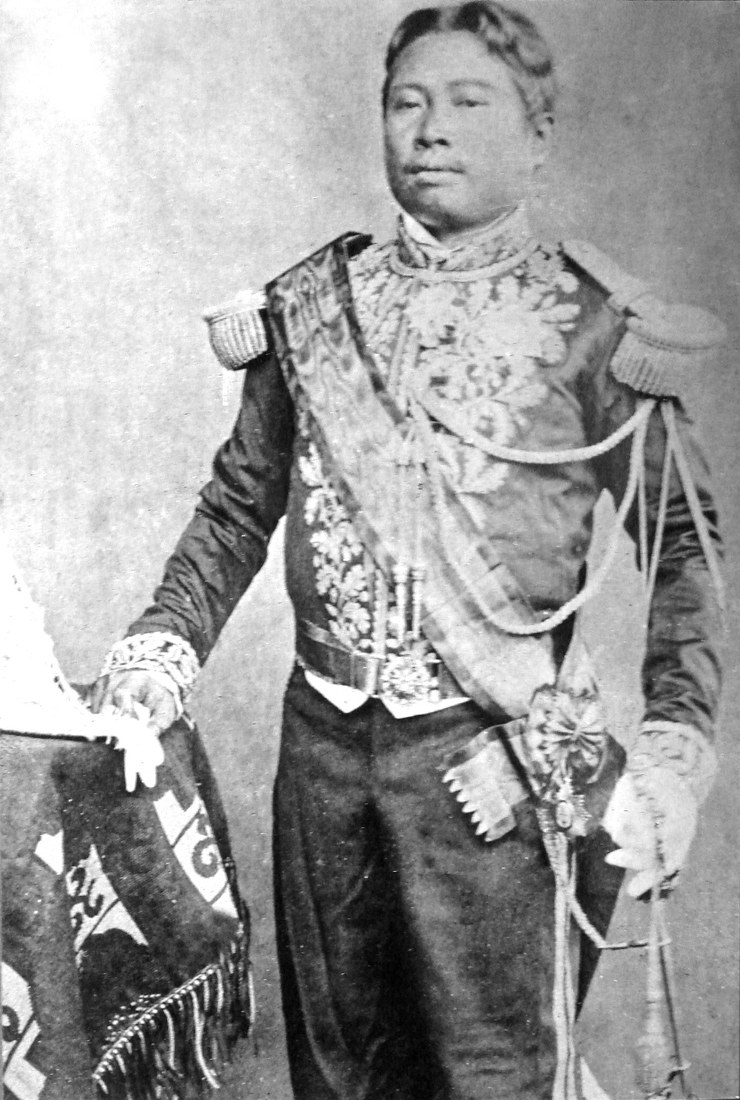
French protection treaties and military pressure subordinated Cambodia and Laos within French Indochina.
Background
Protection with a political price
Cambodian rulers faced pressure from Siam and Vietnam. King Norodom's acceptance of French protection in 1863 occurred within that unequal regional setting. The arrangement helped preserve a Cambodian kingdom while progressively removing its ability to govern independently; territorial survival and political subordination were intertwined.[2]
What happened
- 1884–1897
Control expanded inside Cambodia
France pressed beyond external protection into administration, revenue and law. Resistance and negotiation shaped the process, but royal authority was steadily reduced. Colonial legal changes were neither a simple preservation of Cambodian institutions nor a neutral transfer of European justice.[4]
- 1893
Gunboat pressure and Laos
The Franco-Siamese crisis forced Siam to relinquish claims east of the Mekong. France incorporated Lao territories into its Indochinese possessions. Boundaries negotiated under military pressure divided communities and turned a region of overlapping political relationships into colonial territorial units.[3]
Impact & evidence
Who exercised sovereignty?
Protectorate language left monarchies and local institutions visible while the decisive authority increasingly rested with France. In Cambodia, John Tully identifies 1897 as a decisive point in the loss of internal as well as external sovereignty. A retained court therefore cannot be taken as proof of self-government.[2]
Aftermath & legacy
Borders and separate national histories
Cambodia and Laos entered colonial rule through related but distinct processes. Their shared place in French Indochina should not erase those differences. Colonial boundaries and administrative arrangements outlasted French rule, while later independence movements contested the political authority that the protectorate system had displaced.[3]