Dutch conquest of Bali and the puputan
Dutch assaults on Balinese kingdoms culminated in puputan confrontations and the consolidation of colonial rule.
- When
- 1906–1908
- Where
- Southern Bali, present-day Indonesia
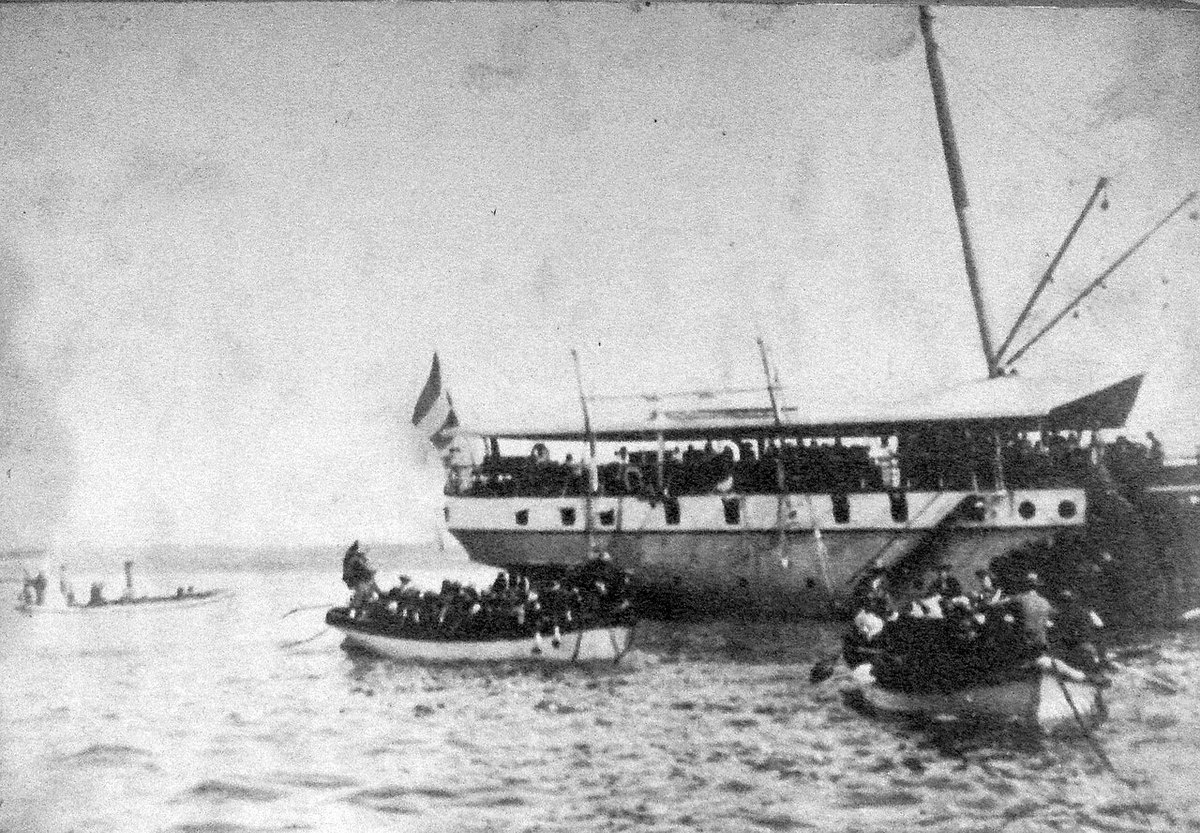
Dutch assaults on Balinese kingdoms culminated in puputan confrontations and the consolidation of colonial rule.
Background
Pressure on the southern kingdoms
Dutch power had already expanded across parts of Bali before the campaigns of 1906 and 1908. Disputes over sovereignty, shipping and compensation became grounds for further intervention. The kingdoms' refusal to accept Dutch demands occurred within a much larger effort to bring the island under colonial authority.[1]
What happened
- 1906
The assault on Badung
Dutch troops advanced on the royal centres of southern Bali. Members of the courts and their followers confronted the invaders in puputan, a last-stand ritual associated with death rather than submission. Dutch gunfire and deaths within the processions killed men, women and children.[1]
- 1908
Klungkung and complete colonial control
Another confrontation at Klungkung was followed by the end of the remaining royal resistance. By 1908 the island was under Dutch colonial control. Presenting these events simply as collective suicide conceals the armed invasion and overwhelming military imbalance that produced the confrontations.[2]
Impact & evidence
Images and objects after violence
Wereldmuseum describes hundreds of Balinese dying through gunfire or ritual death. The events also brought objects into European collections. Artist and collector W. O. J. Nieuwenkamp was in Bali in 1906; the movement of cultural objects belongs within the history of conquest rather than an isolated story of artistic discovery.[2]
Aftermath & legacy
A tourist image built after conquest
Bali's later presentation as a peaceful cultural paradise followed the violent destruction of political independence. Museum interpretation now places the beginnings of colonial tourism beside those campaigns. The contrast matters: an enduring picturesque image can hide the coercion that made the destination accessible to colonial visitors.[2]
Sources & image credits (2)
- Wikipedia — Dutch intervention in Bali (1906) ↗
- Wereldmuseum Amsterdam: the origins of tourism in Bali ↗
Dutch government Image source ↗